
Deltamethrin, with the chemical formula C22H19Br2NO3 and CAS number 52918-63-5, is a highly effective synthetic pyrethroid insecticide, commonly used to control pests in agricultural and domestic settings.
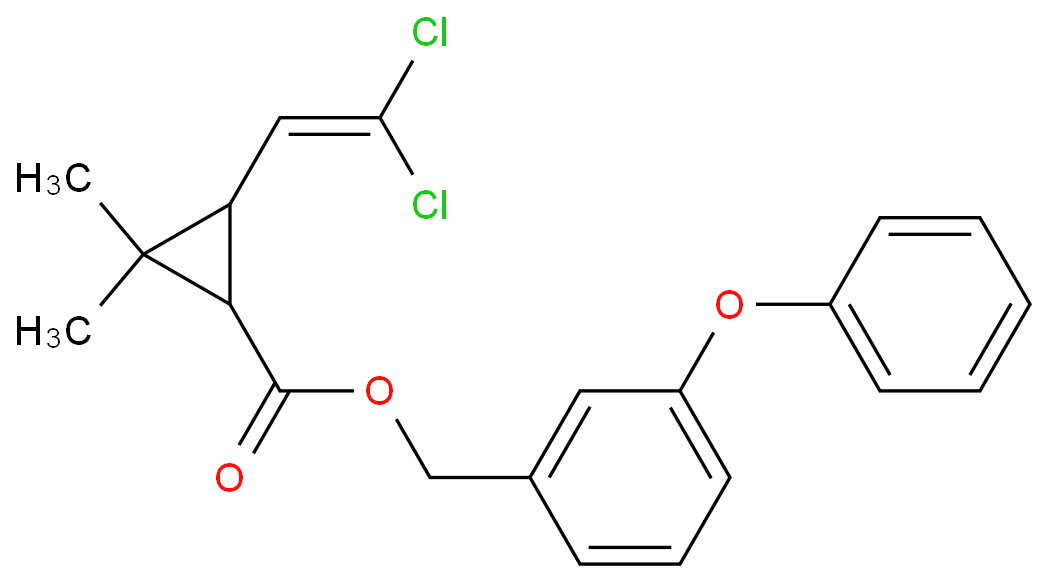
Permethrin, with the chemical formula C21H20Cl2O3 and CAS number 52645-53-1, is another widely used synthetic pyrethroid insecticide, known for its ability to control a broad range of insects in agriculture, veterinary medicine, and public health.
Deltamethrin and Permethrin are both synthetic pyrethroids, often used in the control of pests, but they differ in terms of chemical structure, toxicity, and application. Deltamethrin is particularly effective against a wide range of pests in both indoor and outdoor environments, while Permethrin is favored for use in treating lice and preventing mosquito-borne diseases.


While both Deltamethrin and Permethrin are synthesized from similar starting materials, Deltamethrin involves additional steps to incorporate bromine atoms and a cyclopropane ring, which contribute to its unique efficacy. Permethrin, on the other hand, focuses on the modification of a benzene ring and ester group for enhanced insecticidal activity.
Both Deltamethrin and Permethrin are widely used in various pest control applications, but their specific uses differ based on their properties and efficacy against certain pests.

Deltamethrin is highly effective in controlling a wide variety of agricultural pests, including aphids, beetles, and caterpillars. Its use extends to both outdoor environments, such as farms and gardens, as well as indoor environments for controlling household pests like ants, cockroaches, and termites. Due to its high potency, Deltamethrin is often applied in lower concentrations, which helps minimize environmental impact.
Deltamethrin is also used in public health applications, particularly for controlling mosquito populations to prevent the spread of diseases like malaria and dengue fever. It is commonly incorporated into bed nets and used for large-scale spraying campaigns in endemic areas. Its ability to effectively target insect pests while being relatively safe for humans and animals makes it a popular choice in both residential and agricultural pest management. However, its persistent nature in the environment can sometimes cause concerns regarding long-term ecological effects.
Permethrin is widely used in treating head lice infestations in humans. Its primary application is in the form of topical creams or shampoos that are applied directly to the scalp to eliminate lice and their eggs. Permethrin’s effectiveness in lice treatment has made it a go-to solution in both over-the-counter and prescription formulations. It is also used to treat scabies, a skin condition caused by mites. Additionally, Permethrin is a key ingredient in various lice treatments for animals, particularly for pets like dogs and cats that are prone to flea infestations.
In addition to its use in treating lice, Permethrin is commonly used in the form of mosquito repellents, particularly in tropical and subtropical regions where mosquito-borne diseases such as malaria, Zika virus, and West Nile virus are prevalent. It is frequently applied to clothing, bed nets, and other fabrics to prevent mosquito bites. Permethrin-treated clothing is a popular protective measure for travelers in regions with high mosquito activity. Furthermore, Permethrin is used in veterinary medicine for flea and tick control, particularly for pets and livestock. The broad spectrum of applications for Permethrin makes it an invaluable compound in pest control across various sectors, from healthcare to agriculture.
Although Permethrin is effective and generally safe when used properly, its use in high concentrations can cause skin irritation, and misuse in large-scale applications can lead to environmental concerns. Careful application is necessary to avoid potential risks to wildlife, particularly aquatic species, as Permethrin can be toxic to fish and other aquatic organisms if it enters water sources.
In summary, while both Deltamethrin and Permethrin are synthetic pyrethroids used in pest control, they differ significantly in their applications. Deltamethrin is most effective for large-scale pest control in agriculture and public health, especially in controlling mosquitoes and crop pests. On the other hand, Permethrin is primarily used for treating lice and as a repellent against mosquitoes, with added applications in veterinary medicine for flea and tick control. Both compounds are invaluable tools in pest management, but understanding their distinct uses ensures they are applied appropriately for maximum efficacy.
| Side Effect |
Deltamethrin |
Permethrin |
|---|---|---|
| Digestive Issues | Rare, may cause mild nausea or stomach discomfort | Rare, may cause mild nausea or stomach discomfort |
| Toxicity to Aquatic Life | Moderate, can be toxic to aquatic organisms | Low to moderate, may pose risks to aquatic life if not used properly |
| Allergic Reactions | Rare, could include rash, itching, or swelling | Rare, could include rash, itching, or difficulty breathing |
| Environmental Impact | High, can have significant impact on non-target species if misused | Low to moderate, careful application reduces environmental risks |
If you're looking to purchase these compounds, Guidechem is your go-to platform for sourcing high-quality raw materials and reliable suppliers. With our extensive global network, we connect you to a wide range of Permethrin suppliers, ensuring you find the right products to meet your specific research or production requirements. Whether you're in pharmaceuticals, food additives, or other industries, Guidechem simplifies the sourcing process, offering verified supplier information, competitive pricing, and seamless communication.
[1]Deltamethrin: A Comprehensive Review of its Efficacy and Safety by S. A. Lee.
[2]Permethrin and its Applications in Pest Control by M. J. Roberts.
[3]The Environmental Impact of Synthetic Pyrethroids in Environmental Toxicology Journal.
[4]Safety Protocols for the Use of Insecticides in Public Health in Journal of Pest Management.
 |
 |
 |


 2YRS
2YRS


