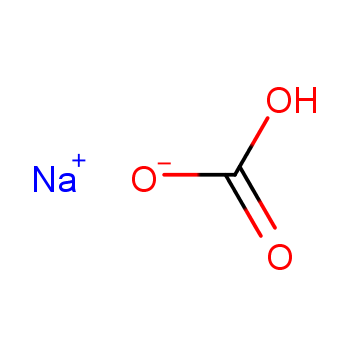
Sodium hydrogen carbonate, with the chemical formula NaHCO3 and CAS number 144-55-8, is a chemical compound commonly used in various applications, including baking, cleaning, and medicine.
Sodium bicarbonate, also with the chemical formula NaHCO3 and CAS number 144-55-8, is the widely recognized common name for sodium hydrogen carbonate.
Sodium hydrogen carbonate and sodium bicarbonate are, in fact, the same chemical compound. The key difference between sodium hydrogen carbonate vs sodium bicarbonate is simply one of nomenclature; they are different names for the same substance.

As sodium hydrogen carbonate vs sodium bicarbonate are the same compound, their “synthesis” is identical.
Sodium hydrogen carbonate and sodium bicarbonate are two chemical names for the same compound, NaHCO?, commonly known as baking soda. Although these terms are often used interchangeably, their applications can sometimes differ based on context, particularly in scientific and industrial settings. Understanding the various uses of sodium bicarbonate vs sodium hydrogen carbonate can help clarify which term is more commonly applied in specific fields.

Sodium Bicarbonate is the most widely used name for NaHCO?, especially in household and culinary applications. It is a key ingredient in baking, where it acts as a leavening agent to help dough rise. When combined with an acid (like vinegar or lemon juice), sodium bicarbonate releases carbon dioxide gas, which causes the dough to expand and become lighter. This reaction is the foundation of many baked goods, including cakes, cookies, and bread.
In addition to its role in cooking, sodium bicarbonate is commonly found in personal care products, such as toothpaste, deodorants, and bath products. Its mild abrasiveness makes it effective as a cleaning agent, able to scrub away dirt and grime without damaging surfaces. It is also used in odor neutralization, particularly in deodorizing carpets, refrigerators, and shoes. The compound’s natural, non-toxic properties make it a preferred choice for eco-conscious cleaning solutions.
While sodium bicarbonate is most commonly used in domestic settings, it also has several industrial and medical applications. For example, sodium bicarbonate is utilized in fire extinguishers, where it helps to put out fires by releasing carbon dioxide. In the medical field, sodium bicarbonate is used to treat conditions like acid indigestion, heartburn, and metabolic acidosis by neutralizing excess stomach acid. It is also included in certain intravenous solutions to regulate blood pH levels in critically ill patients.
On the other hand, the term sodium hydrogen carbonate is often more prevalent in scientific and chemical contexts. The use of “hydrogen” in its name highlights its chemical composition, specifically the presence of a hydrogen ion (H?) in the bicarbonate ion. While sodium hydrogen carbonate and sodium bicarbonate are chemically identical, “sodium hydrogen carbonate” is often used in laboratory settings, particularly in inorganic chemistry, to emphasize its acidic properties. In these environments, it is used as a buffer or to adjust the pH of solutions.
Some industrial applications may prefer the term sodium hydrogen carbonate when discussing larger-scale chemical processes. For example, it is used in the production of certain cleaning products, where it serves as a mild alkaline agent to break down grease and dirt. Additionally, in water treatment processes, sodium hydrogen carbonate can be employed to soften water by precipitating calcium and magnesium ions, preventing scale formation in pipes and boilers.
Despite the slight differences in terminology, both sodium hydrogen carbonate vs sodium bicarbonate are essential chemicals in numerous industries. The use of either term often depends on the specific discipline or the context in which the compound is being discussed. In everyday life, sodium bicarbonate is more commonly recognized, especially in culinary and household uses. However, in scientific or industrial applications, sodium hydrogen carbonate may be the preferred term due to its more precise chemical connotations.
| Consideration |
Sodium Hydrogen Carbonate/Sodium Bicarbonate |
|---|---|
| Excessive Intake | Excessive oral intake can lead to metabolic alkalosis, electrolyte imbalances, and other health issues. |
| Reactions | It can react with acids to produce carbon dioxide gas, which can be a concern in certain applications or when mixed with incompatible substances. |
If you're looking to purchase these compounds, Guidechem is your go-to platform for sourcing high-quality raw materials and reliable suppliers. With our extensive global network, we connect you to a wide range of Sodium Hydrogen Carbonate and Sodium Bicarbonate suppliers, ensuring you find the right products to meet your specific research or production requirements. Whether you're in pharmaceuticals, food additives, or other industries, Guidechem simplifies the sourcing process, offering verified supplier information, competitive pricing, and seamless communication.
 |
 |
 |


 6YRS
6YRS