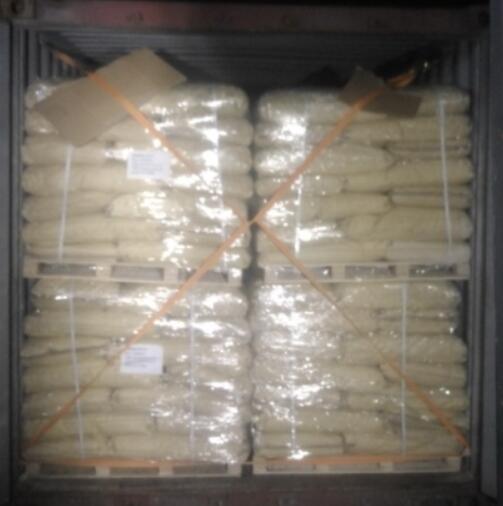
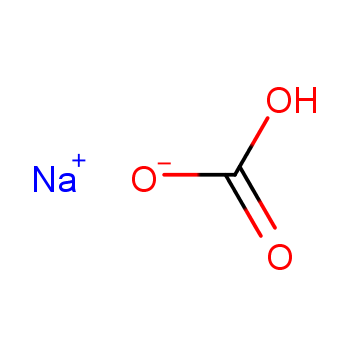
Baking Soda, with the chemical formula NaHCO3 and CAS number 144-55-8, is a versatile compound primarily used in cooking and cleaning. Its mild alkalinity makes it an effective base in recipes like baked goods, as well as an efficient neutralizer of acids. It is also used in a variety of household and health applications, ranging from deodorizing to treating heartburn.
Salt, scientifically known as sodium chloride (NaCl) with CAS number 7647-14-5, is a widely used mineral that is essential for human health. It serves as a key component in preserving food and enhancing flavor. Salt also plays a critical role in regulating fluid balance and nerve function in the human body.
Baking Soda and Salt are both sodium-containing compounds, but they have different chemical structures and properties that make them suited for distinct uses. Baking Soda acts as a base, helping to neutralize acids in the body and other environments, while Salt is primarily an ionic compound used to regulate bodily functions and preserve food.


Both compounds are naturally occurring, but baking soda requires additional processing to synthesize it from sodium carbonate, while salt is most commonly harvested from natural sources such as seawater and rock deposits.
Baking Soda and Salt have distinct uses that vary from household applications to body health. While both are essential in the kitchen, their roles go far beyond food preparation.

Baking Soda is a versatile compound that finds wide application in cooking, especially in baking, where it reacts with acidic ingredients like vinegar or buttermilk to leaven dough and batter, making baked goods light and fluffy. Its mild alkaline nature also makes it effective in neutralizing acids, which is why it is commonly used as a remedy for heartburn and indigestion, helping to alleviate discomfort by balancing the acidity in the stomach.
Beyond the kitchen, Baking Soda is a popular choice for cleaning due to its abrasive properties. It is ideal for scrubbing surfaces, removing stains, and deodorizing areas like refrigerators, carpets, and drains. Its ability to absorb odors makes it an excellent natural alternative to chemical-based cleaners.
In addition to culinary and cleaning uses, Baking Soda plays a significant role in personal care routines. It is often included in products like deodorants, toothpaste, and facial scrubs, where it helps neutralize odors, whiten teeth, and exfoliate the skin. As a gentle, natural remedy, Baking Soda is also used to soothe skin irritations, treat insect bites, and act as a mild exfoliant, offering a variety of benefits for both health and hygiene.
Salt is most commonly known for its role in food preservation and flavor enhancement. It is an essential ingredient in many dishes, adding depth and richness to flavors. Beyond its culinary uses, salt has been historically significant in preserving meats, pickling vegetables, and curating cheeses. The ability of salt to draw moisture from food and create a preservation barrier has made it a staple in food storage across centuries, allowing for longer shelf life without refrigeration. This function was especially vital before modern preservation methods, making salt invaluable to ancient cultures.
In the human body, salt plays a crucial role in regulating fluid balance, supporting nerve function, and maintaining blood pressure. Sodium, one of salt's key components, is necessary for transmitting nerve impulses and muscle contractions. It also helps maintain the body’s electrolyte balance, which is essential for cells to function properly. Too little or too much salt can disrupt this balance, leading to serious health concerns. Therefore, a moderate intake of salt is important for maintaining overall health.
In conclusion, while both Baking Soda and Salt are sodium-containing compounds, they serve vastly different purposes. Baking Soda is most beneficial for neutralizing acids, aiding in baking, cleaning, and personal care, while Salt is vital for food preservation and bodily functions. Understanding their distinct roles can help in using these compounds effectively in everyday life.
| Side Effect |
Baking Soda |
Salt |
|---|---|---|
| Excessive Use | May cause gastrointestinal discomfort or alkalosis if overused | Excessive intake can lead to high blood pressure, kidney problems, and dehydration |
| Skin Reactions | Rare, can cause skin irritation in sensitive individuals | Can cause skin irritation if used in high concentrations |
| Allergic Reactions | Rare, but could lead to rash or swelling | Rare, but could lead to rash or difficulty breathing in extreme cases |
If you're looking to purchase these compounds, Guidechem is your go-to platform for sourcing high-quality raw materials and reliable suppliers. With our extensive global network, we connect you to a wide range of Baking Soda suppliers and Sodium Chloride suppliers, ensuring you find the right products to meet your specific research or production requirements. Whether you're in pharmaceuticals, food additives, or other industries, Guidechem simplifies the sourcing process, offering verified supplier information, competitive pricing, and seamless communication.
[1]Baking Soda: A Natural Remedy by J. M. Thompson.
[2]Salt in Health: Importance and Risks by A. B. Green.
[3]Exploring Sodium: Roles in the Body in Journal of Nutrition Science.
[4]Food Preservation with Salt
 |
 |
 |


 6YRS
6YRS