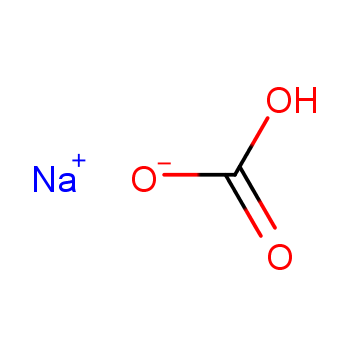
Sodium Bicarbonate, with the chemical formula NaHCO3 and CAS number 144-55-8, is a versatile compound commonly used in a variety of applications, including as a leavening agent in baking, an antacid in medicine, and a cleaning agent.
Sodium Chloride, with the chemical formula NaCl and CAS number 7647-14-5, is a well-known compound, primarily recognized as common table salt. It is used extensively in food seasoning, preservation, and various industrial processes.
Sodium Bicarbonate and Sodium Chloride are two distinct compounds with unique characteristics and uses. While they share the same cation (sodium, Na+), they differ significantly in their chemical properties, applications, and overall functionality. In this article, we will compare sodium bicarbonate vs sodium chloride, discussing their respective chemical compositions, applications, and benefits.


Although both sodium bicarbonate and sodium chloride are derived from naturally occurring sources, their chemical synthesis processes differ. Sodium bicarbonate is synthesized through a chemical reaction involving sodium carbonate, carbon dioxide, and water, while sodium chloride is typically obtained through evaporation processes or through electrolysis.
Sodium Bicarbonate and Sodium Chloride are both essential compounds used across various industries, but they have distinct applications based on their unique properties. Below, we delve into the specific uses of each compound and how they contribute to a wide range of processes and products.

One of the most common uses of sodium bicarbonate is in the food industry, particularly in baking. As a leavening agent, it reacts with acidic ingredients like vinegar, lemon juice, or buttermilk, resulting in the release of carbon dioxide gas. This gas forms bubbles within the dough or batter, causing it to rise and become light and fluffy. The release of carbon dioxide not only provides the necessary lift but also helps in creating the desired texture and crumb in baked goods. This chemical reaction is critical for achieving the proper consistency in a variety of recipes, such as cakes, cookies, muffins, and pancakes. Without sodium bicarbonate, many baked products would lack the soft, airy structure that is so highly sought after. Additionally, the versatility of sodium bicarbonate allows it to work with a wide range of ingredients, making it an indispensable tool in both home kitchens and professional bakeries. Its ability to enhance the texture and rise of doughs and batters makes sodium bicarbonate a fundamental component in countless baked goods.
In addition to its culinary applications, sodium bicarbonate is also widely used in medicine, particularly as an antacid. It neutralizes excess stomach acid, providing relief from conditions like heartburn, indigestion, and acid reflux. Sodium bicarbonate is often found in over-the-counter antacid tablets and liquid formulations.
Furthermore, sodium bicarbonate has several industrial and household uses. It is an effective cleaner and deodorizer, widely used for scrubbing surfaces, removing stains, and neutralizing odors. In addition, it is often employed as a pH regulator in swimming pools and aquariums, ensuring water remains balanced and safe for both people and aquatic life.
Sodium chloride, commonly known as table salt, is best known for its use as a seasoning and preservative. It is a vital ingredient in enhancing the flavor of food, making dishes more palatable by bringing out their natural tastes. Beyond flavoring, sodium chloride plays a crucial role in food preservation, particularly in curing meats, pickling vegetables, and storing other perishable products. Salt preserves food by drawing moisture out, creating an environment that inhibits the growth of bacteria and other microorganisms. This ability to prevent spoilage has made sodium chloride an essential preservative for centuries, used in both ancient and modern food processing techniques. In many cultures, salt was historically used not only for preservation but also as a form of currency due to its value in maintaining food supplies.
Another important application of sodium chloride is in water treatment processes, where it is used to regenerate water softeners and remove impurities. It also plays a key role in the chemical industry, where it is used in the production of chlorine, caustic soda, and other important chemicals through electrolysis.
In addition to its industrial uses, sodium chloride is crucial for road safety in colder climates, particularly during winter months. It is widely applied as a de-icing agent on roads and highways to prevent ice formation and improve traction, reducing the risk of accidents caused by slippery surfaces.
In conclusion, sodium bicarbonate and sodium chloride are both essential compounds with diverse applications across many industries. Sodium bicarbonate is primarily known for its role as a leavening agent in baking and its medicinal uses as an antacid, while sodium chloride is most commonly recognized for its role in food seasoning, preservation, and industrial applications. While both compounds contain sodium, their different chemical properties and uses highlight their importance in everyday life and industrial processes.
| Disadvantage |
Sodium Bicarbonate |
Sodium Chloride |
|---|---|---|
| Overconsumption | Can lead to metabolic alkalosis or electrolyte imbalance if consumed in excess | Excessive consumption can lead to hypertension and kidney damage |
| Digestive Issues | May cause bloating, gas, or discomfort in some individuals | Can irritate the digestive system if consumed in large amounts |
| Environmental Impact | Production and disposal can have environmental consequences due to its alkaline properties | Mining and production can lead to environmental degradation |
If you're looking to purchase these compounds, Guidechem is your go-to platform for sourcing high-quality raw materials and reliable suppliers. With our extensive global network, we connect you to a wide range of Sodium Bicarbonate suppliers and Sodium Chloride suppliers, ensuring you find the right products to meet your specific research or production requirements. Whether you're in pharmaceuticals, food additives, or other industries, Guidechem simplifies the sourcing process, offering verified supplier information, competitive pricing, and seamless communication.
[1]General Chemistry: Principles and Modern Applications by Ralph H. Petrucci.
[2]Food Chemistry by H. D. Belitz and W. Grosch.
[3]Electrochemical Methods for the Production of Sodium Chloride in Journal of Industrial Chemistry.
[4]Application of Sodium Bicarbonate in Medicine in Pharmaceutical Sciences.
 |
 |
 |


 6YRS
6YRS