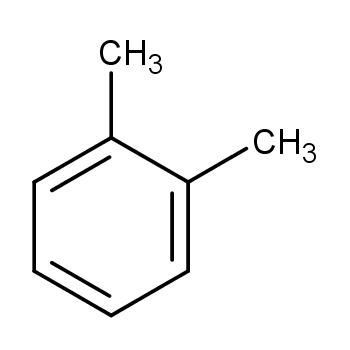
Xylene, with the chemical formula C6H4(CH3)2, is an organic compound commonly used as an industrial solvent. It is often mixed with ethanol, chloroform, or ether but is insoluble in water. Xylene is primarily derived from processes such as coal distillation, gasoline thermal cracking, and petroleum reforming, and can be obtained as a pure product through distillation. What is xylene used for? As a versatile industrial solvent, xylene finds wide-ranging applications across various industries. In the plastics industry, it is utilized in the production of polymers such as polystyrene, polyvinyl chloride, and polyurethane. In the petroleum industry, xylene is used for fractionating petroleum distillates, while in the paint and coating industry, it serves as a key component in the production of paints, inks, and other organic chemicals. Additionally, in the fragrance and food industries, xylene is employed in the production of fragrances, saccharin, and other food additives.
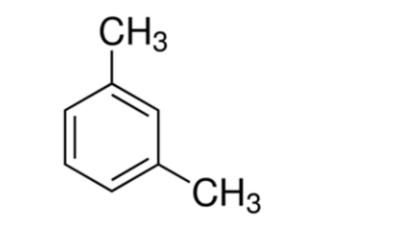
However, xylene is flammable and irritating, and exposure to high concentrations can lead to acute poisoning symptoms. Therefore, when transporting and storing xylene, it is essential to adhere to relevant regulations and standards and take appropriate protective measures to ensure the safety of personnel and the environment.
Xylene is a versatile industrial solvent widely utilized across various industries due to its excellent performance. It is employed in diverse industrial processes, ranging from coatings, plastics, rubber, pharmaceuticals, and fragrances to food and beverage processing.
Why is xylene commonly used? As an excellent solvent, xylene has the ability to dissolve a wide range of materials. It can dissolve various resins and inks, such as polymers, pigments, and dyes. Due to its low toxicity, it is also used as a component in food and beverages. Xylene is a multifunctional solvent that can dissolve both organic and inorganic substances. Its outstanding solvency makes it widely used in industries such as coatings, plastics, and rubber, especially for preventing ink from skinning and improving the surface smoothness of printed materials. In addition to its excellent solvency, xylene also has effective cleaning and degreasing capabilities. As a high-purity solvent, it can effectively remove grease, stains, and residues from various surfaces, leaving them smooth and clean. In the electronics industry, xylene plays an important role as a cleaning agent, and in the medical industry, it is used as a disinfectant. In the food and beverage industry, xylene is used as a cleaning agent and degreaser to maintain the cleanliness of equipment and products.
Xylene also possesses the characteristic of quick drying. This feature is particularly important in industries such as printing, adhesives, and coatings. By using xylene, solvents in the production process can evaporate more quickly, thereby improving production efficiency. During rapid drying, xylene also improves the surface smoothness of printed materials.
Xylene has a corrosion protection requirement of more than 3 years on smooth substrates. As a solvent, it helps to uniformly disperse and fuse pigments and other components in paints and varnishes, forming smooth and glossy coatings.
The solvent action of xylene allows it to be used for adjusting the viscosity of paints. In the preparation of paints and coatings, the addition of xylene as needed can give the paint suitable leveling properties, while also enabling the product to form a stable film during curing.
The volatility and solvency of xylene make it an important component of paints and coatings. By adjusting its quantity, smooth and glossy surfaces can be achieved, meeting the requirements for smooth surface finishes, with a cross-hatch adhesion of grade 0.
Xylene, with its unique chemical structure, is often used as a solvent for printing inks, ensuring both proper adhesion of the ink and vibrant colors of the printed image.
Xylene is also used as a cleaning agent for printing presses, effectively removing residual ink and other impurities to ensure the normal operation of the printing press.
As a commonly used chemical intermediate, xylene is widely used to improve the performance of rubber and leather products, enhancing their adhesion and flexibility. Xylene has good chemical properties, stability, and resistance to decomposition, making it widely used as a processing aid in the production of rubber and leather products.
In the production process of rubber products, xylene can be used as a rubber solvent to dissolve various additives and polymers, thereby preparing various rubber products with different properties. These products include car tires, conveyor belts, rubber shoe soles, etc. Due to its good dry and wet lubricity and adhesion, xylene can improve the wear resistance, elasticity, and corrosion resistance of rubber products. Additionally, in the production process of leather products, xylene can also be used as a solvent for coatings and softeners to improve the texture and durability of leather products.
Xylene is a widely used solvent in the adhesive industry, primarily serving as a solvent base for various adhesives such as acetone and ABS glue. Its strong solvency and dilution properties allow adhesives to be quickly dissolved into the material to be bonded, ensuring complete coverage of the target surface. This not only reduces bonding gaps between materials and enhances bonding strength but also prolongs the service life of adhesives. Xylene also has quick-drying properties, speeding up the curing process of adhesives and improving production efficiency.
Xylene can also improve the stability of adhesives, especially bio-based pesticides. During production and use, xylene can prevent the precipitation and stratification of adhesives, ensuring their stability.
Xylene is commonly used in the manufacture of medicines, disinfection, and cleaning. In everyday life, it is often used to remove oil stains. However, xylene is a substance with potential hazards, mainly reflected in its volatility and flammability. Improper handling or mixing with other hazardous substances may cause serious fire and explosion accidents. Additionally, xylene has certain effects on the human body and the environment. It can be irritating to the skin and respiratory system, and prolonged exposure may lead to poisoning and cancer. Therefore, we must be very careful when using xylene for household cleaning. Due to the smoke and potential health risks, it is not recommended for general cleaning.
Xylene is widely used in laboratories as an important tool for tissue transparency and staining in histology. Its high solubility coefficient allows maximum displacement of alcohol, making tissues transparent and enhancing paraffin infiltration. During the staining process, its excellent dewaxing and transparency capabilities help produce excellent stained slides. In practical applications, xylene should be used under good ventilation conditions to avoid skin and eye contact and potential risks.
When handling xylene, safety precautions are crucial. Xylene, as a flammable and explosive liquid, can affect the respiratory system, nervous system, skin, and eyes, with prolonged exposure potentially leading to cancer. Taking appropriate safety measures can ensure the safety of operators and the environment:
When handling xylene, proper ventilation must be ensured to prevent inhalation of fumes. We can reduce xylene vapor by installing efficient ventilation equipment. Particularly in high-concentration environments, xylene vapors may cause poisoning and should be avoided.
Personal protective equipment must be used to protect operators from xylene exposure and to protect the skin and eyes.
Xylene must be safely stored in labeled containers, and containers must be sealed to prevent leakage. If xylene leaks, operators should take appropriate safety measures immediately, such as protecting the surrounding environment and addressing the situation to prevent fire and explosion.
As the scope and frequency of xylene use continue to expand, concerns about its potential risks to the environment and human health have also increased. To address this issue, we must look for safe alternatives to xylene. For some applications, water-based alternatives can be tried, such as ethanol, acetone, butanol, and methyl acrylate, which are environmentally friendly solvents. Among them, ethanol is a non-toxic, environmentally friendly solvent. Although its solvency is relatively weak, it can be used as a safe and effective alternative in certain situations.
At the same time, we should seek advice from professionals who can recommend the most suitable alternatives based on the characteristics and requirements of specific applications. This will help us gain a more comprehensive understanding of the advantages and disadvantages of environmentally friendly solvents that can replace xylene and provide better recommendations for their selection.
The versatility and industrial significance of xylene are undeniable. As a colorless, transparent liquid, xylene has fluidity and is miscible with industrial ethanol, ether, and many other organic solutions. Used as a solvent, fuel, and raw material for producing certain chemicals, xylene is widely used in industries such as coatings, resins, dyes, and inks, highlighting its indispensability in the industrial field. However, the importance of safety precautions when handling xylene is also evident. We need to be aware that xylene is a flammable and moderately toxic chemical substance that can have irritating effects on the eyes and respiratory system and can cause central nervous system anesthesia when exposed to high concentrations.
We encourage responsible use and exploration of safer alternatives. Although xylene has wide-ranging industrial applications, we should also focus on environmental protection and explore safer and more environmentally friendly alternatives to mitigate potential threats to the environment and human health.
[1]https://www.ncbi.nlm.nih.gov/pmc/articles/PMC2996004/
[2]https://labproinc.com/blogs/chemicals-and-solvents/top-5-uses-of-xylene
[3] Wang Anlong. Research on the efficiency and mechanism of chlorine dioxide in xylene degradation [D]. North China University, 2023. DOI: 10.27470/d.cnki.ghbgc.2023.001470.
[4] Li Ning. Molecular dynamics study of xylene diffusion on ZSM-5 molecular sieve[D]. Taiyuan University of Technology, 2022. DOI:10.27352/d.cnki.gylgu.2022.001655.
 |
 |
 |



 1YR
1YR

