
Fenbendazole, with the chemical formula C15H13N3O2S and CAS number 43210-67-9, is a broad-spectrum anthelmintic primarily used in veterinary medicine, although it has been studied for potential use in human medicine, particularly for its possible anticancer effects.
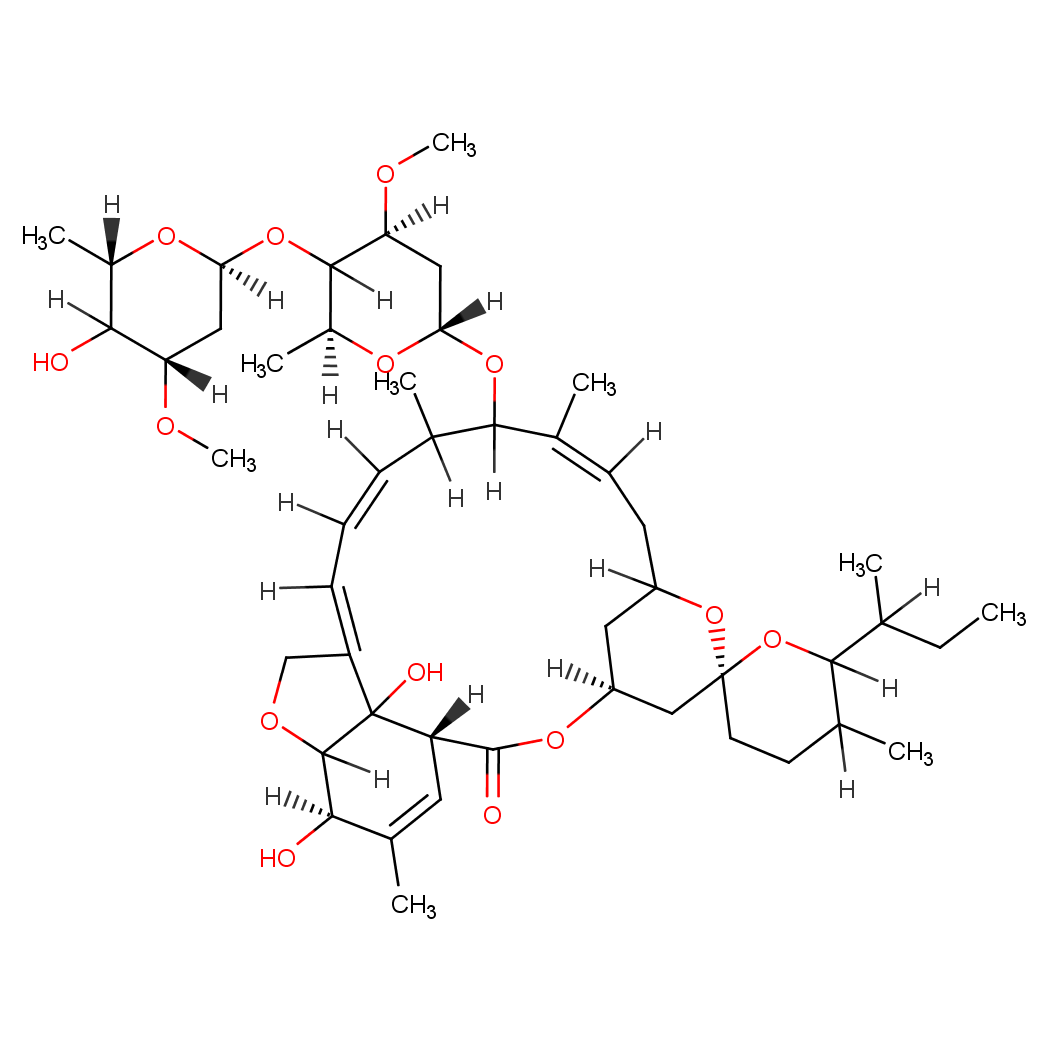
Ivermectin, with the chemical formula C48H74O14 and CAS number 70288-86-7, is another widely used anthelmintic, known for its effectiveness in treating a variety of parasitic infections in both humans and animals. It works by interfering with the nervous systems of parasites, leading to their paralysis and death.
Fenbendazole and Ivermectin are both effective anthelmintics, but they differ in their chemical composition, mechanisms of action, and range of effectiveness. While Fenbendazole is used primarily for gastrointestinal parasites, Ivermectin has a broader spectrum of action, targeting both internal and external parasites. This article compares these two compounds in the context of their use in humans and their respective applications in treating parasitic infections.


Both Fenbendazole and Ivermectin involve complex organic synthesis pathways, but Fenbendazole’s process focuses on modifying the benzimidazole ring with a sulfur group to enhance its antiparasitic properties. In contrast, Ivermectin is derived from a naturally occurring compound through fermentation and subsequent chemical modifications to improve its therapeutic potential.
Fenbendazole and Ivermectin are both potent antiparasitic agents, but they serve distinct purposes in human medicine, based on their unique mechanisms of action. While both drugs have gained significant attention in veterinary medicine for treating parasitic infections in animals, their use in humans varies considerably. Understanding the applications of fenbendazole vs ivermectin for dogs is essential for determining their broader medical utility, especially when transitioning from veterinary use to human treatment.

Fenbendazole, while primarily a veterinary drug, has garnered interest for its potential applications in human health, particularly in the treatment of parasitic infections. This benzimidazole compound is commonly prescribed for gastrointestinal parasites in animals, such as nematodes, cestodes, and trematodes. In humans, however, its use is far less widespread. Although not the first-line treatment for human parasitic infections, recent studies have explored its repurposing for cancer therapy, with some promising clinical trial results.
Fenbendazole works by binding to beta-tubulin within the parasite, disrupting microtubule formation and hindering its ability to absorb nutrients, ultimately leading to the parasite's death. This mechanism has led researchers to investigate its potential against various types of cancer. The compound's ability to inhibit cellular division and potentially slow down tumor growth has made it a subject of ongoing experimental studies in oncology. However, its application in humans is still experimental, with more extensive clinical trials needed to confirm both its safety and effectiveness for such uses.
In the realm of parasitic infections, Fenbendazole is considered a secondary treatment for certain conditions like hookworms and tapeworms, but it is not commonly prescribed for human use. Its role is mostly confined to animal health, though it occasionally crosses over into human healthcare for off-label applications, especially in the treatment of parasitic conditions where other treatments may not be effective.
Ivermectin is widely used in human medicine to treat various parasitic infections, including onchocerciasis (river blindness), lymphatic filariasis, and strongyloidiasis. It has also been used to treat scabies, lice, and other ectoparasites. Ivermectin’s primary mechanism of action is to bind to glutamate-gated chloride channels in parasites, leading to their paralysis and death. It is effective against a broad range of parasites, including both internal and external ones, and is considered one of the safest and most effective treatments available.
Ivermectin is typically used in the treatment of diseases such as onchocerciasis, where it is administered in single doses to kill the microfilariae (larval stage) of the parasite. It is also used for treating heartworm in pets and in the prevention of certain external parasites. Unlike Fenbendazole, Ivermectin is widely accepted for human use and has been part of mass drug administration programs aimed at controlling parasitic infections globally.
When it comes to veterinary use, both fenbendazole vs ivermectin for dogs are indispensable, but their uses differ. Fenbendazole is often used to treat a variety of gastrointestinal parasites in dogs, including roundworms, hookworms, and tapeworms. It is particularly beneficial for animals with sensitive digestive systems, as it has a lower risk of side effects compared to some other antiparasitic drugs. Ivermectin, however, is more commonly used for preventing heartworm, as well as treating external parasites like mites and lice. It is also effective against a range of internal parasites, including strongyles and some species of roundworms.
In conclusion, both Fenbendazole and Ivermectin are effective anthelmintics with distinct applications. While Fenbendazole shows potential in cancer treatment and parasitic infections, Ivermectin has a well-established track record in treating a wide variety of parasitic diseases in humans. Ivermectin’s broad spectrum and safety profile make it a first-choice treatment for many parasitic infections, while Fenbendazole is still under investigation for its potential in human medicine.
| Side Effect |
Fenbendazole |
Ivermectin |
|---|---|---|
| Digestive Issues | Rare, may cause mild nausea or abdominal discomfort | Rare, can cause nausea or diarrhea |
| Low Blood Pressure | Unlikely, but should be used cautiously in some cases | Possible, especially when used in high doses |
| Neurological Effects | Unlikely, though rare side effects can include dizziness | Can cause dizziness, confusion, or seizures in rare cases |
| Allergic Reactions | Rare, may cause rash or swelling | Rare, could include rash or difficulty breathing |
| Kidney Strain | Rare, but caution is advised in those with kidney issues | Unlikely to cause kidney strain unless in very high doses |
When considering whether Fenbendazole or Ivermectin is better suited for your health, it’s essential to understand the context of their use and potential benefits. Fenbendazole, primarily used in veterinary medicine, has shown promise in experimental studies related to cancer treatment. This drug may offer a potential therapeutic approach for individuals looking for alternative options to support cancer management. Its broad-spectrum antiparasitic effects also make it useful for treating specific parasitic infections, particularly gastrointestinal ones, although it is not a first-choice treatment for humans.
On the other hand, Ivermectin is a proven and widely used treatment for parasitic infections in humans. It is particularly effective in treating conditions such as onchocerciasis, lymphatic filariasis, and scabies. Ivermectin’s safety profile, established effectiveness, and availability make it a first-line option for many parasitic diseases. It is also more accessible for widespread use, with established dosing protocols and a solid track record of clinical success.
If you are dealing with a known parasitic infection and require a reliable and effective solution, Ivermectin is likely the superior choice. Its established efficacy in human medicine, particularly in mass treatment programs for parasitic diseases, makes it a safer and more trusted option for most individuals. However, if you are exploring alternative treatments for cancer or are dealing with specific gastrointestinal parasites, Fenbendazole may offer potential benefits, though its use in humans should be approached cautiously, and under professional guidance.
Ultimately, the decision between Fenbendazole and Ivermectin depends on your health needs. For general parasitic infections, Ivermectin is the preferred option due to its proven safety and broad-spectrum efficacy. For those interested in experimental treatments, especially in cancer management, Fenbendazole may offer a promising avenue, but it should be used with care and under medical supervision to ensure its appropriateness for your condition.
*For optimal results, it is crucial to consult with your healthcare provider to determine the best course of treatment based on your individual health needs and medical history. A personalized approach ensures that the medication you choose is both effective and safe, taking into account any potential interactions or pre-existing conditions.
If you're looking to purchase these compounds, Guidechem is your go-to platform for sourcing high-quality raw materials and reliable chemical compounds suppliers. With our extensive global network, we connect you to a wide range of Fenbendazole suppliers and Ivermectin suppliers, ensuring you find the right products to meet your specific research or production requirements. Whether you're in pharmaceuticals, food additives, or other industries, Guidechem simplifies the sourcing process, offering verified supplier information, competitive pricing, and seamless communication.
[1]Fenbendazole in Cancer Treatment by L. R. Smith.
[2]The Use of Ivermectin in Human Medicine by D. J. Howard.
[3]Veterinary Applications of Fenbendazole in Journal of Veterinary Pharmacology.
[4]The Mechanisms of Action of Ivermectin in Parasite Therapy.
 |
 |
 |



 2YRS
2YRS


