
Boric Acid, with the chemical formula BH3O3 and CAS number 10043-35-3, is a naturally occurring compound known for its effectiveness in pest control. Its unique chemical structure allows it to interfere with the digestive system of insects like cockroaches, leading to their death upon ingestion. It is often used in the form of a powder, paste, or bait to target roach infestations.
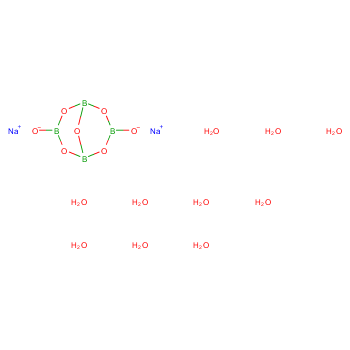
Borax, or sodium tetraborate decahydrate (Na2B4O5(OH)4·8H2O) with CAS number 1303-96-4, is a different form of boron that also has insecticidal properties. While it shares many similar features with boric acid, such as its ability to dehydrate and disrupt the internal systems of pests, borax is typically less potent when used for roach control. It is available in a powdered form and is often used in cleaning products, in addition to pest management.
When comparing boric acid vs borax for roaches, the primary distinction lies in the effectiveness and ease of use for pest control. Both compounds are toxic to insects, but boric acid is typically more efficient at eliminating roaches with fewer applications. Borax, while still effective, may require larger doses and more frequent treatments to achieve the desired results.


Although both compounds are derived from boron, boric acid and borax are synthesized differently. Boric acid involves an acid-based reaction, while borax is created by adding sodium carbonate to boric acid. The byproducts of these reactions and the final products differ, resulting in two distinct compounds with similar, yet slightly different, applications.
Both boric acid and borax are used extensively in pest control, particularly for the eradication of cockroaches. However, their applications extend beyond pest management. These compounds also play a role in health and beauty, offering antimicrobial, antifungal, and cleaning properties. When comparing borax vs boric acid for roaches, understanding their benefits in pest control, along with their broader uses, can help determine which is the better choice for specific needs.

Boric acid is highly effective in controlling roach populations. When roaches ingest boric acid, it disrupts their digestive systems, eventually causing death. It can be used as a powder, mixed with food baits, or applied as a paste to areas where roaches frequent. In addition to pest control, boric acid is also widely used in medicine and cosmetics. It is commonly used as an antifungal treatment for skin conditions like athlete's foot, and it is an active ingredient in some vaginal creams and ointments used to treat yeast infections. Furthermore, boric acid can be found in some eye care products for its ability to reduce irritation and inflammation.
In the beauty industry, boric acid is prized for its antimicrobial properties, which help treat various skin conditions. It is sometimes used in soaps and lotions to prevent the growth of harmful bacteria and fungi, contributing to healthier skin. Boric acid also helps reduce irritation and redness when applied to sensitive areas of the skin.
Borax, on the other hand, is primarily used in cleaning products due to its ability to break down stains, remove odors, and soften water. It is an effective natural cleaner and deodorizer, often used in laundry detergents, all-purpose cleaners, and carpet fresheners. When used for pest control, borax works similarly to boric acid by disrupting the digestive systems of insects like roaches. However, borax typically requires a larger quantity to be effective and may not kill roaches as quickly as boric acid. It is also used to treat mold and mildew, making it a versatile addition to many household cleaning routines.
Although less potent for pest control, borax has some applications in health and beauty products. It is often used as a stabilizer or buffering agent in cosmetics, such as facial cleansers and soaps. However, unlike boric acid, borax can be more irritating to the skin and should be used with caution, particularly in products that come into contact with sensitive areas like the eyes or mucous membranes.
In conclusion, when comparing boric acid vs borax for roaches, boric acid is generally the superior option for roach control due to its higher potency and quicker results. While borax can also be effective, it requires larger quantities and more frequent applications. Both compounds have multiple uses in health and beauty treatments, but boric acid is generally preferred for its antimicrobial properties and its ability to treat fungal infections, making it a more versatile choice for personal care. Whether you choose boric acid or borax depends on your specific needs, but both compounds can offer valuable solutions in pest control and beyond.
| Side Effect |
Boric Acid |
Borax |
|---|---|---|
| Digestive Issues | Rare, may cause nausea or stomach upset if ingested | Rare, may cause gastrointestinal discomfort if ingested |
| Allergic Reactions | Rare, may cause skin rash or irritation on prolonged exposure | Rare, could include skin irritation or breathing difficulties |
| Toxicity | High doses can be toxic, especially in children or pets | High doses may lead to toxicity, particularly if ingested or inhaled in large amounts |
| Chronic Exposure | May lead to skin dryness or irritation with prolonged use | Chronic exposure may cause mild irritation in sensitive individuals |
When choosing the right product for controlling roaches, it's important to consider both effectiveness and safety in your home environment. Boric acid is a highly effective pesticide when used in small amounts. It works by disrupting the roaches’ digestive system, causing dehydration and death. Boric acid is considered a safer option for households with pets and children when applied correctly, as it has a relatively low toxicity to mammals but is lethal to insects. Its fine powder form makes it easy to apply in cracks and crevices where roaches hide.
In contrast, borax is another popular solution for roach control. It shares similar properties to boric acid but is generally more abrasive. Borax works by dehydrating the roaches and disrupting their bodily functions. Although borax is effective, it may be harsher on the environment and can cause skin irritation. It is also more likely to cause irritation to pets or children if ingested in larger quantities. For those who prefer an easier-to-apply solution, borax often comes pre-mixed with other ingredients for easier handling.
Ultimately, if you're looking for an effective, safe, and targeted solution, boric acid is the superior choice for most households. However, if ease of use or environmental concerns are more important, borax may be a better option, though it requires more caution during application.
*For optimal results and to ensure safety, it is highly recommended to follow the guidance of pest control professionals when using these substances in your home. Professional pest control experts can assess your specific situation, recommend the appropriate treatment, and ensure proper application techniques are followed to minimize risks. They can also provide safety measures to prevent any accidental exposure to pets, children, or sensitive individuals, helping to avoid any potential health hazards. By relying on expert advice, you can achieve the most effective roach control while maintaining a safe home environment.
If you're looking to purchase these compounds, Guidechem is your go-to platform for sourcing high-quality raw materials and reliable suppliers. With our extensive global network, we connect you to a wide range of boric acid suppliers and borax suppliers, ensuring you find the right products to meet your specific needs. Whether you're in pest control, research, or another industry, Guidechem simplifies the sourcing process, offering verified supplier information, competitive pricing, and seamless communication.
[1]The Complete Guide to Pest Control by D. J. Lawrence.
[2]Modern Pesticides and Their Applications by R. C. Miller.
[4]Handbook of Household Chemistry by F. H. Roberts.
|


 4YRS
4YRS

