
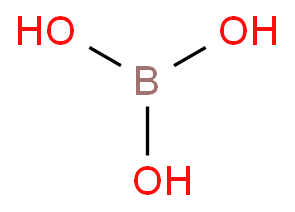
Boric Acid, with the chemical formula H3BO3 and CAS number 10043-35-3, is a colorless, odorless crystalline compound often used in pest control. It works as a stomach poison against insects, leading to their dehydration and death when ingested. This compound is effective against pests like cockroaches, ants, and termites, and is a common ingredient in household insecticides.
Diatomaceous Earth, is a naturally occurring, silica-based powder made from the fossilized remains of diatoms. Diatomite is created through the buildup of amorphous silica (opal, SiO2·nH2O) from the remains of deceased diatoms, which are microscopic, single-celled algae. These remains accumulate in sedimentary deposits found in lakes or marine environments. It functions as a mechanical insecticide, damaging the exoskeletons of insects and leading to their dehydration. Diatomaceous earth is widely used in pest control, especially in eco-friendly applications.
Boric Acid and Diatomaceous Earth are both effective pest control agents, but they operate through different mechanisms. Boric Acid acts as a stomach poison that disrupts an insect’s digestive system, while Diatomaceous Earth works mechanically by damaging the insect's exoskeleton. Each has its own set of benefits and limitations based on the type of pest and the environment in which it is used.

Both Boric Acid and Diatomaceous Earth have distinct chemical compositions and synthesis methods. Boric acid is synthesized chemically from borax and acid, whereas diatomaceous earth is naturally occurring and mined. Their structural differences contribute to their unique modes of action in pest control.
Boric acid and diatomaceous earth are both highly effective tools in pest control, each serving distinct functions and catering to specific pest types and environments. Although both are natural, non-toxic solutions, they operate differently, offering varied methods of action depending on the pest being targeted. While boric acid is more effective through ingestion and has a broader spectrum of uses, diatomaceous earth works through physical interaction with pests, targeting their exoskeletons. Understanding these differences helps in selecting the most appropriate option for pest management in various settings.

Boric acid is a powerful and widely used insecticide, particularly effective for controlling a variety of pests, including cockroaches, ants, termites, silverfish, and other common household invaders. This versatile compound works by acting as a stomach poison. When pests ingest boric acid, it disrupts their digestive system, leading to dehydration and eventual death. Its primary mode of action is through ingestion, making it most effective when applied in places where pests are likely to feed, such as along baseboards, behind appliances, and in cracks and crevices. Because boric acid is a slow-acting poison, it allows pests to carry it back to their nests, potentially affecting others in the colony or nest, which helps to control larger infestations.
In addition to its insecticidal properties, boric acid is also a valuable fungicide and herbicide, providing an all-around solution for managing unwanted organisms in home, industrial, and agricultural settings. It is often used for mold and mildew control, as well as in agricultural settings to manage certain types of weeds. However, while it is a highly effective pest control agent, boric acid must be used with caution. It can be toxic to humans and animals if ingested in large amounts, which necessitates careful handling, particularly in homes with young children or pets. It is also important to ensure that boric acid is applied in appropriate amounts, as overuse can lead to potential environmental concerns.
Diatomaceous earth, on the other hand, offers a non-toxic alternative to chemical insecticides, making it a preferred choice for eco-conscious consumers seeking a safer way to manage pests. Composed of the fossilized remains of diatoms, tiny aquatic organisms, diatomaceous earth works by physically damaging the exoskeletons of insects. The sharp silica particles in diatomaceous earth puncture the insects' protective outer layers, causing them to lose moisture and dehydrate, ultimately leading to death. This method of action makes diatomaceous earth highly effective for controlling a variety of pests, including bed bugs, fleas, cockroaches, ants, and even garden pests such as aphids.
One of the significant advantages of diatomaceous earth is its safety profile. Unlike chemical insecticides, it is non-toxic to humans, pets, and beneficial insects like bees when used properly. This makes it a preferred choice for individuals with young children or pets, as well as in organic farming and gardening practices. Additionally, diatomaceous earth is highly effective in dry conditions, making it particularly useful for indoor pest control in areas like pantries, bathrooms, and closets, where moisture levels are lower. Its ability to remain effective over long periods, as long as it stays dry, is another benefit.
However, diatomaceous earth does have some limitations. Its effectiveness is significantly reduced if it becomes wet, as moisture causes the silica particles to lose their sharpness. Therefore, it is essential to apply it in dry environments and to reapply it after cleaning or if it gets wet. Additionally, while diatomaceous earth is generally safer than chemical insecticides, it should still be handled with care. Inhaling the fine dust particles can irritate the lungs and respiratory system, so it's important to wear a mask during application to minimize exposure to dust.
When it comes to roach control, both boric acid and diatomaceous earth are effective, but they operate in different ways and offer distinct advantages. Boric acid is particularly effective for eliminating cockroaches due to its ingestion-based mechanism. When roaches consume boric acid, it acts as a stomach poison, disrupting their digestive systems and leading to dehydration. This slow-acting poison allows roaches to return to their nests, potentially affecting other members of the colony. It is best used in areas where roaches are likely to feed, such as under appliances, along baseboards, and in cracks or crevices. However, it requires careful application, as it can be harmful if ingested by humans or pets.
On the other hand, diatomaceous earth works differently by damaging the exoskeletons of cockroaches. The sharp silica particles puncture their outer layers, causing dehydration and eventual death. Diatomaceous earth is non-toxic to humans and pets, making it a safer option for households with children or animals. It is also effective for long-term control, especially in dry environments. However, its effectiveness diminishes when exposed to moisture, so it should be kept dry to maintain its pest-killing properties. While boric acid is a more direct approach for roach elimination, diatomaceous earth is a safer, eco-friendly alternative that can provide ongoing protection in a pest-free home.
In conclusion, the choice between boric acid and diatomaceous earth depends on the type of pest, the environment, and safety considerations. Boric acid is a powerful stomach poison, effective in enclosed spaces for pests like cockroaches and ants, but it must be used with caution. Diatomaceous earth, on the other hand, is a safer, non-toxic option that works mechanically by damaging insect exoskeletons, but it requires dry conditions to remain effective. Combining both methods can provide enhanced pest control by targeting different insect vulnerabilities.
| Side Effect |
Boric Acid |
Diatomaceous Earth |
|---|---|---|
| Digestive Issues | Rare, may cause mild bloating or upset stomach | Unlikely to cause digestive issues |
| Toxicity | Toxic if ingested in large quantities | Non-toxic but can cause respiratory irritation if inhaled |
| Environmental Conditions | Effective in enclosed spaces | Needs to remain dry to be effective |
| Long-Term Use | Can cause environmental harm if overused | Safe for long-term use but needs regular reapplication |
When deciding between Boric Acid and Diatomaceous Earth for pest control or other applications, it’s essential to consider how each compound interacts with your body and environment. Boric Acid is commonly used in household pest control and for its antifungal properties. However, exposure to Boric Acid can cause irritation to the skin, eyes, and respiratory system. It is especially harmful if ingested in large amounts and can be toxic, particularly to children and pets. It is crucial to use Boric Acid in a controlled manner and follow safety guidelines to prevent accidental exposure.
In contrast, Diatomaceous Earth is a more natural substance, composed of fossilized remains of diatoms, which are microscopic algae. It is often marketed as a safer alternative for pest control because it is less toxic to humans and animals. Diatomaceous Earth works mechanically by scratching the exoskeletons of insects, causing them to dehydrate. While it is considered safe for humans and pets, it can irritate the respiratory system when inhaled in large quantities, and prolonged exposure should be avoided.
Ultimately, when choosing between Boric Acid and Diatomaceous Earth, it depends on your specific needs and safety concerns. If you are looking for a potent pest control option and can handle strict safety protocols, Boric Acid may be the better choice. However, if you prefer a safer, eco-friendly option with minimal health risks, Diatomaceous Earth is the superior choice, though it may be less effective in some pest control scenarios.
*For best results and to ensure proper usage, it is highly recommended to follow safety guidelines and consult a professional when handling either compound. They can help you determine the most suitable substance for your needs and guide you on proper application techniques.
If you're looking to purchase these compounds, Guidechem is your go-to platform for sourcing high-quality raw materials and reliable suppliers. With our extensive global network, we connect you to a wide range of Boric Acid suppliers, ensuring you find the right products to meet your specific research or production requirements. Whether you're in agriculture, pest control, or other industries, Guidechem simplifies the sourcing process, offering verified supplier information, competitive pricing, and seamless communication.
|
 |
 |



 1YR
1YR


