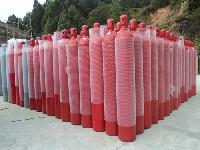
CNG (Compressed Natural Gas), with the chemical formula CH4 and CAS number 74-82-8, is a clean and cost-effective alternative fuel composed primarily of methane. It is compressed at pressures of 200 to 248 bars, making it a popular fuel choice for vehicles and industrial applications.
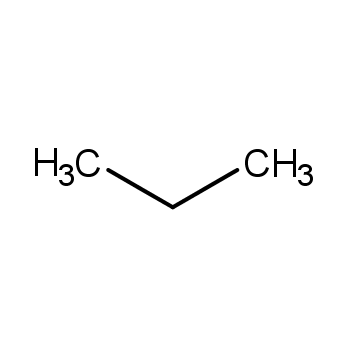
LPG (Liquefied Petroleum Gas), composed of propane (C3H8) and butane (C4H10), with CAS numbers 74-98-6 and 106-97-8, is a flammable gas that is liquefied at 15°C and under a pressure range of 1.7 to 7.5 bars. LPG is commonly used for heating, cooking, and as an automotive fuel in certain regions.
CNG and LPG are both essential fuels, but they differ in their composition, uses, environmental impact, and safety characteristics. While CNG is primarily methane, LPG is a mixture of propane and butane. Both are used as alternatives to gasoline and diesel, but each has unique properties that make them suited for different applications.


CNG (Compressed Natural Gas) is primarily derived from natural gas fields, coal bed methane deposits, or shale gas. The process of obtaining CNG begins with extracting raw natural gas, which is primarily composed of methane (CH4). The gas is then processed to remove impurities, such as water, carbon dioxide, and sulfur compounds, through techniques like amine gas treating or molecular sieve technology. Once purified, the methane is compressed at high pressures (typically between 200-250 bar) to create CNG. The compression process reduces the volume of the gas, allowing it to be stored and transported efficiently in high-pressure cylinders or tanks.
LPG (Liquefied Petroleum Gas) is a mixture of propane (C3H8) and butane (C4H10), typically obtained as a by-product of crude oil refining or natural gas processing. The production of LPG begins with the extraction of raw natural gas or crude oil, after which it undergoes a distillation process to separate various hydrocarbons. The propane and butane components are then liquefied under moderate pressure (1.7 to 7.5 bars) or by cooling the gases to low temperatures. This liquefaction process makes LPG easier to store and transport. LPG can also be extracted from refinery gas or from natural gas streams during gas processing, depending on its composition.
Both CNG and LPG require extensive infrastructure for compression and storage, but the specific methods of production and storage are tailored to the unique properties of methane and the propane-butane mixture. The processes ensure that both gases are delivered in a convenient and safe manner, ready for use in a wide range of applications.
Both CNG and LPG are widely used for various industrial, residential, and automotive purposes. Their applications differ, primarily due to their chemical properties and the nature of their energy content.

CNG is a widely used fuel for vehicles, especially in countries where it is promoted as a cleaner alternative to gasoline and diesel. The main application of CNG is in automobiles, particularly in natural gas vehicles (NGVs) which use CNG as a substitute for gasoline or diesel. The use of CNG in vehicles is gaining popularity due to its low cost and lower emissions compared to traditional fuels. CNG-powered cars emit fewer greenhouse gases, particulate matter, and carbon monoxide, making it a more environmentally friendly choice for transportation.
In addition to its automotive applications, CNG is also used in various industrial processes. It serves as a cleaner alternative to coal and oil for power generation and heating. CNG's use in industrial boilers and furnaces helps reduce carbon emissions and lower operating costs. Furthermore, CNG is also used in the production of hydrogen, methanol, and fertilizers, showcasing its versatility in energy-intensive sectors.
LPG is most commonly used in domestic applications such as heating and cooking. In homes, LPG is widely used for gas stoves, water heaters, and space heaters. Its portability and ease of storage make it an ideal fuel for areas that lack a stable supply of natural gas. LPG is also used in industrial settings, such as in the production of chemicals, and for space heating in large buildings and facilities.
In addition to domestic and industrial uses, LPG is also used as an automotive fuel, especially in regions where CNG infrastructure is not as developed. LPG-powered vehicles are commonly used in fleet operations due to lower fuel costs and lower emissions compared to gasoline and diesel-powered vehicles. LPG is also an essential fuel in the refrigeration and air-conditioning industry, where it serves as a refrigerant gas in certain cooling systems.
CNG is generally considered a more environmentally friendly fuel compared to LPG. The combustion of CNG releases significantly lower amounts of carbon dioxide (CO2), particulate matter, and other harmful pollutants. CNG vehicles produce fewer greenhouse gas emissions, making it an excellent choice for reducing air pollution in urban areas. Furthermore, CNG does not release sulfur dioxide (SO2) or other toxic gases, making it cleaner than many traditional fuels.
LPG, while cleaner than gasoline and diesel, does release CO2 and contributes to the greenhouse effect. However, when compared to gasoline or diesel, LPG produces less particulate matter and fewer volatile organic compounds (VOCs). Its environmental impact is lower, but not as minimal as CNG, especially when considering its higher calorific value and higher carbon content per unit of energy.
The safety characteristics of CNG vs Propane differ primarily due to their physical properties. CNG is lighter than air and, in the event of a leak, it disperses quickly into the atmosphere. This reduces the risk of fire or explosion, making CNG generally safer in the event of an accident or spill. The ease with which CNG disperses into the air reduces its likelihood of accumulation in enclosed spaces, further minimizing risk.
On the other hand, LPG is heavier than air and tends to accumulate in low-lying areas in the event of a leak. This creates a higher risk of fire or explosion, particularly in enclosed or poorly ventilated spaces. LPG leaks must be addressed immediately to prevent dangerous buildups of gas in confined areas.
In conclusion, CNG and LPG both offer distinct advantages and applications, but each has its limitations. CNG is the cleaner and more environmentally friendly choice, particularly for transportation and industrial uses, due to its lower carbon emissions and rapid dispersal in case of leaks. LPG, while offering a higher calorific value, is more commonly used for cooking, heating, and refrigeration, and carries a slightly higher risk of fire and explosion due to its heavier-than-air properties. Choosing between CNG and LPG depends largely on the specific application and safety considerations.
| Side Effect |
CNG |
LPG |
|---|---|---|
| Energy Density | Lower energy density than LPG, requires larger tanks for vehicles | Higher energy density, requiring smaller storage tanks |
| Availability | Limited infrastructure, especially in rural areas | More widely available and used in various regions |
| Storage Requirements | Requires high-pressure storage cylinders, which can be costly | Stored in liquid form at moderate pressure, easier to handle |
| Environmental Impact | Lower emissions than LPG, but still produces CO2 | Produces CO2 and contributes to the greenhouse effect |
If you're looking to purchase these compounds, Guidechem is your go-to platform for sourcing high-quality raw materials and reliable suppliers. With our extensive global network, we connect you to a wide range of Methane suppliers and Propane suppliers, ensuring you find the right products to meet your specific research or production requirements. Whether you're in pharmaceuticals, food additives, or other industries, Guidechem simplifies the sourcing process, offering verified supplier information, competitive pricing, and seamless communication.
[1]Natural Gas as a Fuel for Vehicles: An Overview by J. D. Thompson.
[2]Liquefied Petroleum Gas: Characteristics and Applications by A. S. Patel.
[3]Environmental Impact of CNG and LPG in Journal of Energy and Environmental Science.
[4]Comparative Study on CNG and LPG Use in Transportation in Transport and Fuel Science.
|
 |
 |


 4YRS
4YRS