
Diethyl Ether, with the chemical formula C4H10O and CAS number 60-29-7, is a colorless liquid characterized by its high volatility and flammability. Its structure consists of two ethyl groups attached to a single oxygen atom, classifying it as an ether. Commonly known for its rum-like odor, diethyl ether is widely used as a solvent, a general anesthetic, and in laboratory procedures. Despite its versatility, it is sensitive to light and air, often forming explosive peroxides upon exposure.
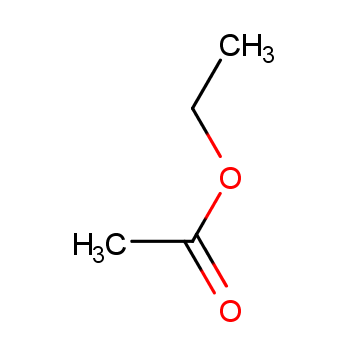
Ethyl Acetate, with the chemical formula C4H8O2 and CAS number 141-78-6, is a carboxylate ester formed from ethanol and acetic acid. This colorless liquid, with a fruity odor, serves as a widely used solvent in various industries. Its melting point is -83.6°C, and it boils at 77°C. Ethyl acetate is known for its low toxicity and cost-effectiveness, making it a preferred choice for applications in adhesives, paints, and flavorings. Its hydrolysis in the presence of a strong base yields ethanol and acetate.
Diethyl ether and ethyl acetate are both essential organic solvents with unique characteristics. While both share applications in industrial and laboratory settings, their chemical structures and physical properties dictate their specific uses and limitations.


Both compounds are synthesized using ethanol but differ significantly in their reaction pathways and catalysts. Diethyl ether production focuses on ether bond formation, whereas ethyl acetate synthesis emphasizes esterification.
Diethyl ether and ethyl acetate are indispensable solvents in industrial and laboratory settings, each possessing unique properties that define their specific uses. While diethyl ether shines in chemical synthesis and laboratory applications, ethyl acetate is a cornerstone of diverse industrial processes, including manufacturing and consumer goods.

Diethyl ether is a cornerstone solvent in organic chemistry laboratories, prized for its remarkable ability to dissolve nonpolar substances. This characteristic makes it indispensable in various synthesis and extraction processes, particularly in reactions involving Grignard reagents. The low boiling point of diethyl ether enhances its utility, allowing for easy recovery of the solvent after the reaction, thereby improving efficiency in laboratory workflows. Additionally, it serves as an effective medium for recrystallization and separation processes, ensuring high-purity outcomes in chemical research and development.
Historically, diethyl ether played a significant role in the medical field as one of the first general anesthetics. Its rapid onset and effectiveness in inducing unconsciousness revolutionized surgical procedures during the 19th and early 20th centuries. However, due to its flammability and the availability of safer anesthetics, its medical use has significantly declined. Today, its primary applications remain in the laboratory, where its chemical properties are leveraged for research and experimental purposes, particularly in academic and industrial chemistry settings.
Ethyl acetate is a versatile solvent with extensive applications across various industries. Its low toxicity, mild odor, and effective solvency make it a preferred choice in the production of adhesives, paints, and coatings. In the printing industry, ethyl acetate is widely used in the formulation of inks for flexographic and gravure printing processes due to its ability to provide fast evaporation and superior adhesion on diverse surfaces. These properties ensure high-quality results in packaging and labeling applications.
Beyond its industrial use as a solvent, ethyl acetate plays a vital role in consumer goods. In the food and beverage industry, it is employed as a flavoring agent, adding fruity and sweet notes to candies, baked goods, and beverages. Additionally, ethyl acetate is integral to the decaffeination process for coffee and tea, providing a solvent option that meets strict food safety standards. The cosmetic industry also benefits from its inclusion in nail polish removers, where its effectiveness in dissolving lacquer is combined with a relatively pleasant odor compared to alternative solvents. These wide-ranging applications highlight ethyl acetate’s importance as a solvent that balances functionality with consumer safety and usability.
| Characteristic |
Diethyl Ether |
Ethyl Acetate |
|---|---|---|
| Flammability | Highly flammable, poses a significant fire hazard | Flammable but less volatile compared to diethyl ether |
| Toxicity | Can cause respiratory irritation and dizziness with prolonged exposure | May cause mild irritation but generally considered safer |
| Storage Stability | Prone to peroxide formation, requires careful storage | More stable, less prone to hazardous degradation |
| Environmental Impact | Volatile organic compound (VOC) with higher environmental impact | Moderate VOC but less harmful than diethyl ether |
| Odor | Strong, unpleasant ether-like odor | Moderate, sweet odor but less offensive |
In summary, diethyl ether and ethyl acetate are essential solvents with distinct properties that make them valuable in different settings. Diethyl ether is prized for its low boiling point and excellent solvating ability, making it ideal for laboratory experiments, especially in organic synthesis and extraction processes. On the other hand, ethyl acetate is widely favored in industrial applications due to its lower flammability, versatility, and eco-friendliness, commonly used in coatings, adhesives, and decaffeination. Choosing between them depends on the specific requirements of the task, including safety, cost, and environmental impact.
When choosing between Diethyl Ether and Ethyl Acetate, it’s essential to evaluate the specific applications and potential health and environmental impacts. Diethyl Ether is widely used as a solvent in pharmaceutical and chemical laboratories due to its high volatility and effective dissolution properties. However, its highly flammable nature and potential for causing respiratory irritation make it less suitable for certain environments. In cases where safety and lower toxicity are priorities, alternatives might be considered.
In contrast, Ethyl Acetate, derived from ethanol and acetic acid, is favored for its lower flammability and comparatively reduced health risks. It is extensively used in food, cosmetics, and pharmaceuticals as a solvent, with fewer adverse effects when handled correctly. However, prolonged exposure to Ethyl Acetate can still lead to headaches or irritation, underscoring the need for proper handling and ventilation during use.
Ultimately, if safety and environmental considerations are a priority, Ethyl Acetate is often the superior choice due to its lower toxicity and relatively mild environmental impact. However, if high volatility and rapid evaporation are critical to your application, Diethyl Ether may be more suitable, offering faster evaporation rates. That said, Diethyl Ether requires additional safety precautions because of its highly flammable nature and the risk of forming explosive peroxides over time.
*To ensure the best results for your specific use case, consult with a chemical expert or review the material safety data sheets (MSDS) to understand each compound's properties and risks fully. Proper guidance will help you select the most suitable solvent while adhering to safety and regulatory standards.
If you're looking to purchase these compounds, Guidechem is your go-to platform for sourcing high-quality raw materials and reliable Ethyl Acetate suppliers. With our extensive global network, we connect you to a wide range of verified suppliers, ensuring you find the right products to meet your specific research or production requirements. Whether you're working in pharmaceuticals, industrial manufacturing, or chemical synthesis, Guidechem simplifies the sourcing process by offering competitive pricing, trustworthy supplier information, and seamless communication for all your compound needs.
[1] Organic Chemistry by J. McMurry.
[2] Handbook of Solvents by G. Wypych.
[3] Industrial Solvents Handbook by I. Noyes.
[4] Comprehensive Organic Synthesis by B. M. Trost.
|
 |
 |



 1YR
1YR


