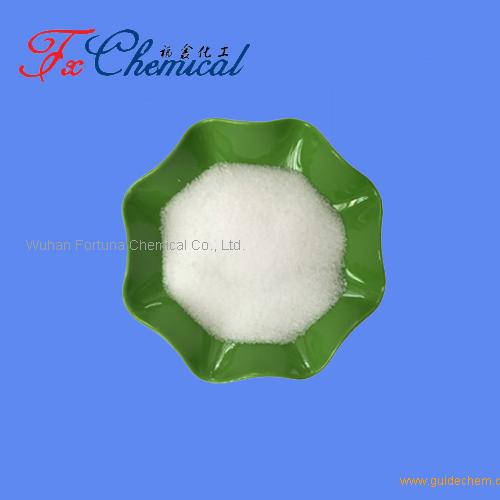
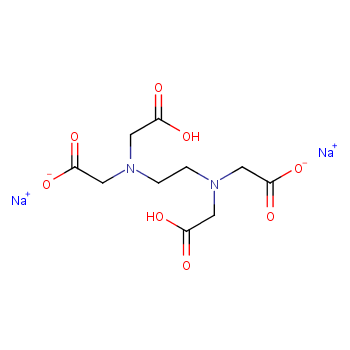
Disodium EDTA, with the chemical formula C10H14N2Na2O8 and CAS number 139-33-3, is a chelating agent that binds metal ions and is commonly used in various industries, including cosmetics, pharmaceuticals, and water treatment.
Tetrasodium EDTA, with the chemical formula C10H12N2Na4O8 and CAS number 64-02-8, is a more potent form of EDTA, commonly used in applications requiring stronger chelation properties, including industrial cleaning and in formulations requiring high pH stability.
Disodium EDTA and Tetrasodium EDTA are two distinct sodium salts of ethylenediaminetetraacetic acid (EDTA), each with different chemical properties and uses. The key difference between disodium EDTA and tetrasodium EDTA lies in their pH levels and the number of sodium ions they contain. Disodium EDTA has a pH of around 4 to 6, while tetrasodium EDTA has a pH ranging from 10 to 11. Disodium EDTA contains two sodium ions, while tetrasodium EDTA contains four. This structural difference directly affects their chelating abilities and suitability for various applications.
Synthesis of Disodium EDTA: Disodium EDTA is synthesized through the reaction of ethylenediamine with chloroacetic acid, followed by neutralization with sodium hydroxide. The process involves the formation of a chelate ring, where the nitrogen atoms from the ethylenediamine and the carboxyl groups from the chloroacetic acid bind to metal ions, creating a stable complex.

Synthesis of Tetrasodium EDTA: Tetrasodium EDTA is synthesized similarly to disodium EDTA, except that it undergoes a process where sodium hydroxide is added to form four sodium salts instead of just two. This increased number of sodium ions in the structure gives tetrasodium EDTA stronger chelating capabilities, especially in more alkaline conditions. Both compounds are derived from ethylenediaminetetraacetic acid (EDTA), a versatile chelating agent that can form stable complexes with a wide variety of metal ions.

Disodium EDTA contains two sodium ions (Na+), and its structure has two carboxylate groups that are neutralized by the sodium ions. This gives it a relatively lower ionic charge and makes it suitable for use in mild pH conditions. In contrast, tetrasodium EDTA contains four sodium ions, which increases its charge and makes it more effective in high-pH and industrial applications. The additional sodium ions in tetrasodium EDTA also increase its solubility in water and its chelating strength.
The basic difference in their structures—two sodium ions versus four sodium ions—directly impacts their reactivity and application range. Disodium EDTA is more commonly used in consumer products and pharmaceuticals, while tetrasodium EDTA, with its stronger chelation, is favored in industries requiring high-pH conditions, such as in cleaning products and agricultural formulations.
Disodium EDTA and Tetrasodium EDTA are closely related compounds, both derivatives of ethylenediaminetetraacetic acid (EDTA), but they differ significantly in their chemical properties and functional uses.
Disodium EDTA: Contains two sodium ions (Na+) and is commonly used in applications where a lower pH is required. It is often utilized in pharmaceutical formulations, cosmetic products, and water treatment, particularly where a mild chelation effect is needed. Disodium EDTA works best in mildly acidic conditions, making it effective in neutralizing metal ions at a slightly acidic pH.
Tetrasodium EDTA: Contains four sodium ions (Na+) and functions as a stronger chelating agent compared to disodium EDTA. It is more effective in high-pH environments, such as in industrial cleaning products, and can sequester a wider range of metal ions at higher pH values. Tetrasodium EDTA is more soluble in water than disodium EDTA, which makes it more effective in applications requiring strong solubility and chelation.
Disodium EDTA and Tetrasodium EDTA are both important chelating agents used in various industries, but their applications differ due to their distinct chemical properties. Here, we explore their specific uses and how these two compounds serve different purposes in industrial and consumer products.

Disodium EDTA is widely used in cosmetics and personal care products, such as shampoos, lotions, and skin care creams. It is primarily used as a stabilizer, preventing the degradation of active ingredients by binding to metal ions in the formulation. By binding with metal ions, disodium EDTA helps to preserve the integrity of the product, especially in formulations that contain antioxidants, which are sensitive to metals like iron and copper. Additionally, disodium EDTA is frequently included in pharmaceuticals to enhance the stability of drugs and prevent metal-catalyzed degradation.
Tetrasodium EDTA is more commonly used in industrial applications, where its ability to function effectively in high-pH environments is crucial. It is found in cleaning products, detergents, and water treatment formulations. In industrial cleaning, tetrasodium EDTA serves as a powerful chelating agent that binds to metal ions like calcium and magnesium, which can cause scaling and reduce the effectiveness of cleaning solutions. It is also used in water treatment to remove harmful metal ions that could affect the quality of water or damage equipment.
Disodium EDTA is often used in water treatment plants to remove heavy metals from contaminated water. Its ability to bind with metal ions allows it to sequester harmful metals, such as lead and mercury, preventing them from contaminating drinking water or industrial processes. Disodium EDTA is also used to stabilize water-based products, helping to maintain their quality over time.
In agriculture, tetrasodium EDTA plays an essential role in chelating trace metals, making them more bioavailable to plants. It is commonly used in fertilizers to help plants absorb necessary nutrients, such as iron, zinc, and copper, from the soil. Tetrasodium EDTA is particularly useful in environments where the soil pH is too high for efficient metal absorption. By using tetrasodium EDTA, farmers can improve crop yields and maintain soil health.
In summary, both Disodium EDTA and Tetrasodium EDTA are valuable chelating agents used across various industries. Disodium EDTA is more commonly found in cosmetics, pharmaceuticals, and water treatment products, where its ability to function in slightly acidic environments is beneficial. Tetrasodium EDTA, on the other hand, is primarily used in industrial cleaning, agriculture, and water treatment applications, where its stronger chelation and higher pH tolerance make it more effective. Understanding the differences in their chemical properties allows industries to select the appropriate compound for their specific needs.
| Side Effect |
Disodium EDTA |
Tetrasodium EDTA |
|---|---|---|
| Skin Irritation | Unlikely to cause skin irritation in low concentrations | May cause skin irritation in higher concentrations |
| Acidity | Mildly acidic, may cause discomfort in sensitive individuals | Highly alkaline, which may cause irritation if not properly diluted |
| Water Pollution | Can cause water contamination if used in excess | Can contribute to environmental concerns due to its high alkalinity |
| Environmental Impact | Biodegradable, but still poses environmental risks in large quantities | Biodegradable, but higher pH may pose risks to aquatic life |
If you're looking to purchase these compounds, Guidechem is your go-to platform for sourcing high-quality raw materials and reliable suppliers. With our extensive global network, we connect you to a wide range of Disodium EDTA suppliers and Tetrasodium EDTA suppliers, ensuring you find the right products to meet your specific research or production requirements. Whether you're in pharmaceuticals, food additives, or other industries, Guidechem simplifies the sourcing process, offering verified supplier information, competitive pricing, and seamless communication.
[1]The Role of EDTA in Industrial Applications by M. J. Smith.
[2]Understanding Chelating Agents in Water Treatment by L. D. Foster.
[3]Environmental Impacts of Tetrasodium EDTA in Journal of Industrial Chemistry.
[4]The Use of EDTA in Agriculture in Agricultural Science Review.
[5]Disodium EDTA in Pharmaceutical Applications by A. R. Johnson.
|


 15YRS
15YRS