
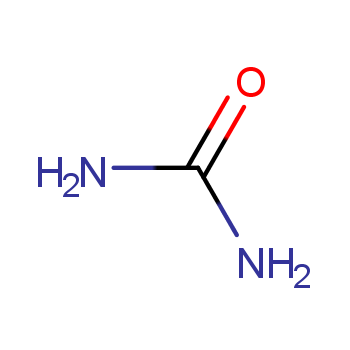
Imidacloprid, with the chemical formula C9H10ClN5O2 and CAS number 138261-41-3, is a neonicotinoid insecticide widely used in agriculture. Imidacloprid olefin and imidacloprid urea are two key metabolites of imidacloprid. Urea, with the chemical formula CO(NH2)2 and CAS number 57-13-6, is a common nitrogen-containing compound found in various biological systems and widely used in fertilizers.
Imidacloprid-Olefin is a metabolite of imidacloprid, a widely used insecticide. The imidacloprid-olefin metabolite is more toxic to insects than imidacloprid itself, making it highly relevant in plant systems. It plays a significant role in the effectiveness of imidacloprid as an insecticide, particularly in plant tissues.
Imidacloprid-Urea is the primary soil metabolite of imidacloprid. It forms in the soil and is generally less toxic compared to imidacloprid-olefin. However, imidacloprid-urea is important in the mobility and persistence of imidacloprid in the environment. This metabolite does not exhibit the same toxicity in plant tissues but has its significance in the chemical's environmental behavior.
The comparison between imidacloprid-olefin and imidacloprid-urea lies in their distribution and toxicology. Imidacloprid-olefin is the main plant-relevant metabolite, while imidacloprid-urea is primarily found in the soil and acts as a secondary metabolite in plants. In terms of toxicity, imidacloprid-olefin is much more toxic to insects, playing a crucial role in pest control, while imidacloprid-urea serves a different function in terms of environmental persistence and mobility.


Both metabolites result from the breakdown of imidacloprid in different environments, but the key difference lies in their toxicity and presence in plants versus soil. Imidacloprid-olefin, formed in plant tissues, is more toxic and has a stronger insecticidal effect, while imidacloprid-urea, found in soil, affects the persistence and mobility of imidacloprid in the environment.
Imidacloprid, one of the most widely used insecticides globally, undergoes various transformations in the environment and plants. Its metabolites, imidacloprid-olefin and imidacloprid-urea, have distinct roles that contribute to the efficacy and persistence of the chemical in pest control and environmental management.

Imidacloprid-olefin is the primary metabolite found in plant tissues, and its increased toxicity compared to imidacloprid makes it especially effective in pest control. This metabolite plays a crucial role in targeting insects, offering enhanced effectiveness in the control of pests in crops. It is particularly relevant in the context of agricultural applications, where its presence in plant tissues allows for prolonged protection against pests. Studies have demonstrated that the presence of imidacloprid-olefin increases the overall effectiveness of imidacloprid in controlling insect populations, making it an essential metabolite for sustainable pest management.
In addition to its insecticidal properties, imidacloprid-olefin's enhanced toxicity provides a targeted mechanism for controlling pest species that are resistant to other forms of pest control. The metabolite's high toxicity makes it a valuable tool in integrated pest management systems, where minimizing the impact on non-target species while controlling pests is essential.
Imidacloprid olefin has been shown to be more toxic to some insects than imidacloprid itself. Therefore, its presence in the environment is a significant concern for non-target organisms, such as bees and other pollinators. Studies investigating the fate of imidacloprid in the environment often focus on the formation and distribution of imidacloprid olefin to assess its potential ecological risks.
In contrast, imidacloprid-urea plays a key role in the environmental persistence of imidacloprid. This metabolite, primarily formed in the soil, contributes to the mobility and degradation of imidacloprid over time. While it is not toxic like imidacloprid-olefin, its presence in soil affects the behavior and longevity of imidacloprid in the environment. The breakdown of imidacloprid into imidacloprid-urea can impact soil organisms and the long-term efficacy of imidacloprid as a pesticide. Therefore, understanding the behavior of imidacloprid-urea in the soil is crucial for assessing the environmental risks associated with imidacloprid use.
Imidacloprid urea is another important metabolite to consider in environmental risk assessments. While generally less toxic than imidacloprid, its presence in the environment can still have ecological implications. Studies investigating the fate and transport of imidacloprid in soil and water often include analyses of imidacloprid urea to understand its contribution to the overall environmental impact of the insecticide.
In conclusion, imidacloprid-olefin and imidacloprid-urea serve different yet complementary functions in the broader context of imidacloprid usage. Imidacloprid-olefin, being more toxic to insects, plays an essential role in pest control and plant protection, while imidacloprid-urea is crucial for understanding the environmental persistence of the pesticide. Both metabolites are integral to the overall effectiveness and environmental management of imidacloprid, and understanding their distinct roles is critical for improving pest control strategies while minimizing environmental impact.
| Side Effect |
Imidacloprid-Olefin |
Imidacloprid-Urea |
|---|---|---|
| Environmental Impact | Potential for higher environmental toxicity, particularly to aquatic organisms | Lower environmental toxicity, but still presents risks to non-target species if overused |
| Effectiveness on Pests | May require higher doses to control certain pests effectively | More effective at lower concentrations, but may be less persistent in soil |
| Resistance Development | Can lead to faster resistance development in pests if used excessively | Slower resistance development, but still a risk with repeated use |
When selecting between Imidacloprid-Olefin and Imidacloprid-Urea for your study, it’s essential to consider the specific goals of your research and the environmental or toxicological implications that may arise from their use. Imidacloprid-Olefin, with its potent insecticidal properties, is often favored in studies targeting pest control efficiency. Its rapid breakdown in plants and minimal environmental persistence makes it an appealing choice for shorter-term studies where control over pests is a primary concern. This form is more suitable for research focused on immediate efficacy in agricultural settings.
In contrast, Imidacloprid-Urea, with its slightly more persistent environmental effects, may be more appropriate for long-term studies examining the behavior of pesticides in ecosystems. If your research involves studying soil contamination or the persistence of chemicals in the environment, this compound offers a more suitable model. The slower degradation rate can help researchers better understand the compound's long-term effects on both target and non-target species, providing valuable data for assessing environmental risks.
Ultimately, if your study requires rapid results with minimal long-term environmental impact, Imidacloprid-Olefin is likely the better choice due to its quicker breakdown and effectiveness in pest control. However, for long-term environmental studies or research on pesticide persistence, Imidacloprid-Urea would provide a more relevant and insightful compound to work with.
*For optimal study outcomes and to ensure that you're using the most appropriate compound, it is strongly recommended to consult with your research advisor or field experts. They can guide you in choosing the most suitable pesticide for your study’s specific goals and the ecological factors at play.
If you need to source these compounds for your research, Guidechem provides a platform to connect you with verified of both Imidacloprid suppliers and Urea suppliers. With our extensive supplier network, you can access high-quality raw materials for your study, ensuring that you meet the specific requirements of your research while maintaining reliable and cost-effective sourcing options.
[1]Metabolism and Toxicity of Imidacloprid by R. T. Hargrove.
[2]Environmental Impacts of Neonicotinoids by L. T. Mitchell.
[3]Imidacloprid and Its Metabolites: A Review in Environmental Toxicology.
[4]Effects of Imidacloprid in Agricultural Ecosystems in Journal of Pesticide Science.
|
 |
 |


 1YR
1YR

