
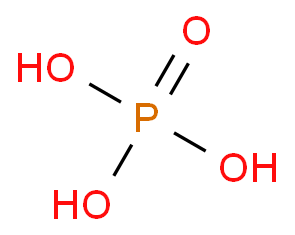
Phosphoric Acid, with the chemical formula H3PO4 and CAS number 7664-38-2, is a weak inorganic acid commonly used in industrial applications, including cleaning and rust removal. It is also a key ingredient in many commercial grout and concrete cleaners.
Muriatic Acid, with the chemical formula HCl and CAS number 7647-01-0, is a strong hydrochloric acid used primarily for cleaning, swimming pool maintenance, and metal treatment. It is also commonly used in the removal of rust and mineral deposits.
Phosphoric Acid and Muriatic Acid are both highly effective chemicals used for cleaning and rust removal. The primary difference between them lies in their strength and chemical properties. While Muriatic Acid is a strong acid, Phosphoric Acid is a weaker acid and is considered a safer alternative in many applications.


Both acids are synthesized through different chemical processes. Phosphoric Acid requires the reaction of phosphorus compounds, while Muriatic Acid is produced by dissolving chlorine in water. This difference contributes to the varying strengths and uses of the acids.
Both Phosphoric Acid and Muriatic Acid serve a wide range of applications, with each acid's unique chemical properties making it more suitable for specific tasks. While Muriatic Acid is generally favored for heavy-duty industrial cleaning and descaling tasks due to its strong corrosive nature, Phosphoric Acid is preferred for applications that require a more controlled, less aggressive approach, such as rust removal and surface preparation. Their differing strengths and chemical compositions ensure they are selected based on the needs of the project at hand.

Phosphoric Acid is a highly effective compound used for cleaning concrete, grout, and for removing rust from metal surfaces. Its mild acidity allows it to break down mineral deposits and scale, making it an ideal choice for rust removal applications. Unlike Muriatic Acid, which is much stronger and more corrosive, Phosphoric Acid is safer to handle, making it a preferred choice for residential and commercial cleaning products. When used for rust removal, it works by converting the iron oxide(rust) into iron phosphate, which is far less damaging to metal surfaces and also enhances the ability of coatings to adhere to the surface. This makes it especially beneficial for industries that require metal surfaces to be cleaned without compromising the integrity of the underlying material.
Moreover, Phosphoric Acid plays an important role in metal treatment processes. In sectors such as automotive manufacturing and industrial applications, it is used to prepare metal surfaces before they are coated or painted. Its ability to clean and etch the surface without causing excessive damage ensures a smoother finish and better durability of the coating. Additionally, it is found in numerous household cleaning products, thanks to its effectiveness at breaking down tough stains on tiles and other surfaces.
Muriatic Acid, on the other hand, is commonly used in heavy-duty industrial cleaning applications due to its potent acidic properties. It is highly effective at removing stubborn stains, mineral deposits, and rust, making it a go-to choice for cleaning tasks that require a powerful chemical solution. Muriatic Acid is often used in the maintenance of swimming pools, where it is utilized to lower the pH levels of the water, ensuring the water remains balanced and free from scale buildup. Additionally, Muriatic Acid is a key player in cleaning and restoring the appearance of brick and stone surfaces, especially when there is significant dirt or mineral residue buildup. Its strength enables it to tackle the most challenging cleaning tasks with ease, but its powerful nature also means that it must be handled with great care.
In industries such as oil and gas, Muriatic Acid serves as a cleaning agent for metal treatment and to remove scale and deposits from pipes and equipment. Its effectiveness in dissolving tough mineral deposits, such as calcium and lime, makes it invaluable for these applications. However, because Muriatic Acid is highly corrosive, it must be used cautiously to avoid damaging the surfaces being cleaned. Special attention is required to neutralize the acid after use to prevent any long-term harm to the materials or equipment.
In summary, both Phosphoric Acid and Muriatic Acid offer unique advantages depending on the application. Phosphoric Acid is favored for more controlled, less aggressive cleaning tasks, especially where rust removal and metal treatment are involved. It is safer to use and less damaging to surfaces, making it ideal for applications in household and light industrial settings. Muriatic Acid, however, is better suited for heavy-duty cleaning and descaling tasks in more demanding industrial environments. While it is highly effective for tough cleaning jobs, it requires careful handling due to its strong corrosive properties. The choice between sodium bicarb vs sodium chloride is similarly determined by the specific needs of the task, with each acid being tailored to different cleaning and industrial processes.
| Side Effect |
Phosphoric Acid |
Muriatic Acid |
|---|---|---|
| Corrosion | Less corrosive, safer for surfaces | Highly corrosive, can damage surfaces |
| Skin Contact | Can cause irritation on skin | Causes severe burns and irritation |
| Environmental Impact | Moderate impact, requires neutralization | Strong environmental hazard, requires neutralization |
| Handling Safety | Generally safer with precautions | Requires more extensive safety measures |
When choosing between Phosphoric Acid and Muriatic Acid for your health, it's important to consider the intended use and potential health implications. Phosphoric Acid, commonly found in food products, can be beneficial when consumed in controlled amounts. It is used to acidify beverages, provide flavor, and improve the preservation of food items. However, excessive intake of phosphoric acid, especially from sugary drinks, can contribute to health concerns such as weakened bones and dental erosion over time. Therefore, its consumption should be limited to avoid negative impacts on bone health and overall well-being.
In contrast, Muriatic Acid (also known as hydrochloric acid) is a highly corrosive substance commonly used for cleaning purposes, particularly in industrial settings. It is not intended for direct consumption and poses serious health risks if improperly handled, including skin burns, respiratory issues, and severe eye irritation. Due to its strong acidic nature, Muriatic Acid should be avoided in scenarios where direct exposure could occur. It has no health benefits when used in its concentrated form and should only be used with extreme caution in controlled environments.
Ultimately, if you're looking for a substance to use in food or drink, Phosphoric Acid is the safer choice, but it should be consumed in moderation to prevent long-term health issues. On the other hand, Muriatic Acid should be avoided for health-related purposes due to its hazardous and corrosive properties. It is only suitable for industrial or cleaning applications with appropriate safety measures.
*For optimal safety and to ensure proper handling, it is highly recommended to follow the guidance of a health professional or safety expert when working with either compound. They can help you determine the most appropriate use based on your specific needs and safety requirements.
If you're looking to purchase these compounds, Guidechem is your go-to platform for sourcing high-quality raw materials and reliable suppliers. With our extensive global network, we connect you to a wide range of Phosphoric Acid suppliers, ensuring you find the right products to meet your specific research or production requirements. Whether you're in pharmaceuticals, food additives, or other industries, Guidechem simplifies the sourcing process, offering verified supplier information, competitive pricing, and seamless communication.
|
 |
 |



 1YR
1YR


