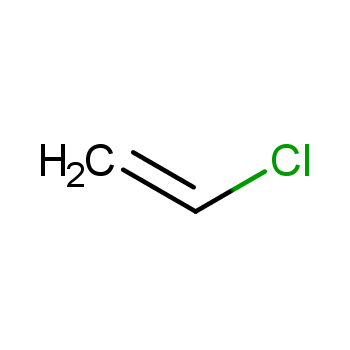
PVC (Polyvinyl Chloride), with the chemical formula (C2H3Cl)n and CAS number 9002-86-2, is a widely used synthetic plastic polymer. It is known for its versatility, durability, and cost-effectiveness, making it a common material in various applications, including construction, healthcare, and consumer goods.
Rubber, on the other hand, refers to a group of elastic materials derived from natural sources (such as latex from rubber trees) or synthesized from petroleum products. It has been used for centuries in products ranging from tires to footwear due to its high elasticity, flexibility, and resilience.
When comparing PVC vs Rubber, the primary distinctions lie in their material properties, durability, flexibility, and cost. PVC is stiffer, more affordable, and easier to mold, while rubber offers superior elasticity, flexibility, and durability, making it ideal for certain applications like seals, gaskets, and tires. Understanding the strengths and weaknesses of both materials is essential for selecting the right one for specific needs.

Both PVC and rubber involve polymerization processes, but the monomers and synthesis methods differ. PVC relies on vinyl chloride as the base monomer, while rubber can be either naturally derived or synthetically produced from different petroleum-based monomers.
PVC and rubber are both widely used materials, each with unique applications that capitalize on their distinct properties. The choice between PVC vs rubber depends on the specific needs of the application, such as flexibility, durability, cost, and environmental resistance.

PVC is incredibly versatile and cost-effective, making it a popular choice in various industries. It is commonly used in construction for pipes, window profiles, flooring, and electrical cable insulation due to its durability and resistance to moisture and chemicals. PVC is also used extensively in the production of rain boots, especially those with light-up features. The rigid form of PVC provides structure, while the addition of plasticizers allows it to be flexible, making it an ideal material for boots that are both durable and visually appealing.
One of the key benefits of PVC is its lightweight nature, which makes it ideal for products like boots and protective clothing, where a balance of durability and weight is essential. PVC is also highly resistant to environmental factors such as UV light, which adds to its longevity in outdoor applications.
Rubber is renowned for its high elasticity, which makes it an essential material in industries such as automotive, manufacturing, and aerospace. Rubber’s ability to withstand stretching and compression without breaking or losing shape makes it ideal for applications such as tires, seals, and gaskets. Rubber is also widely used in machinery components and industrial products due to its superior resilience and impact resistance.
In the automotive industry, rubber is indispensable for tires because of its ability to provide traction, absorb shock, and maintain durability under various conditions. Additionally, rubber’s resistance to oils, acids, and extreme temperatures makes it a go-to material for seals and gaskets that are critical to the proper functioning of machines and vehicles.
Both PVC and rubber are used in the production of rain boots, but each material brings its unique advantages. PVC is often used in boots designed to be lightweight and fun, such as those with light-up features. The addition of plasticizers makes PVC flexible enough to mold into various shapes, providing comfort while ensuring durability. PVC is an excellent choice for fashion-focused, budget-friendly rain boots.
On the other hand, rubber is more commonly used for high-performance boots due to its superior durability and waterproof properties. Rubber rain boots are especially valued in environments that require strong resistance to wear and tear, such as construction sites or outdoor activities in harsh weather conditions.
In conclusion, the choice between PVC vs rubber largely depends on the specific requirements of the application. PVC is a lighter, more affordable material that excels in products where cost-effectiveness and flexibility are crucial, such as in rain boots with fun designs. Rubber, with its superior elasticity and durability, is preferred for applications requiring high resilience and impact resistance, such as automotive tires and heavy-duty footwear. Understanding the strengths and limitations of both materials allows for informed decision-making in various industries.
| Side Effect |
PVC |
Rubber |
|---|---|---|
| Durability | Relatively less durable, prone to cracking and becoming brittle over time | Highly durable, resistant to wear and tear |
| Environmental Impact | PVC is less environmentally friendly, difficult to recycle, and can release toxic substances during production or degradation | Rubber is more environmentally friendly, especially natural rubber, which is biodegradable |
| Comfort | Stiffer material, may not provide as much comfort, especially in prolonged wear applications | More flexible and comfortable, especially for footwear and wearable applications |
| Weather Resistance | May become rigid or crack under extreme temperature fluctuations | More resistant to varying weather conditions and less prone to cracking |
| Weight | Lightweight, which may be a disadvantage in some applications where more weight is preferred | Heavier than PVC, which may be preferable for more stable applications |
If you're looking to purchase these compounds, Guidechem is your go-to platform for sourcing high-quality raw materials and reliable suppliers. With our extensive global network, we connect you to a wide range of PVC suppliers, ensuring you find the right products to meet your specific research or production requirements. Whether you're in pharmaceuticals, food additives, or other industries, Guidechem simplifies the sourcing process, offering verified supplier information, competitive pricing, and seamless communication.
[1]The Science of Materials: PVC and Rubber by A. D. Smith.
[2]Polyvinyl Chloride: Manufacturing and Applications by J. F. Brown.
[3]Rubber Technology: Principles and Applications in Journal of Rubber Science.
[4]Advances in Polymer Science: PVC and Rubber by S. M. Lee.
 |
|
 |



 2YRS
2YRS