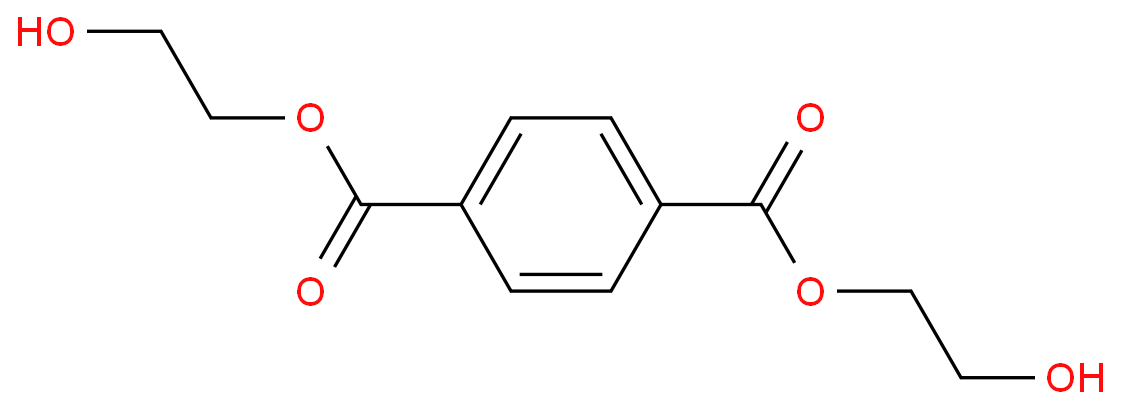
The center will be established at SK Chemicals' Ulsan (Ulsan, South Korea) plant, where eco-friendly chemical materials will also be produced. A pilot facility for depolymerization is planned to begin operations in 2026, with an annual capacity of 50 tons. It mainly involves BHET (r-BHET), an intermediate raw material for polyester materials (such as PET and copolyesters), and will be integrated with existing commercial production facilities.
Previously, SK Chemicals commenced construction at the world's first comprehensive waste plastic recycling cluster at the Ulsan plant at the end of 2023, with a total investment of up to 1.8 trillion won (approximately 10 billion RMB). It is scheduled to be completed this year and begin operations next year, employing two major technologies: pyrolysis and depolymerization.

The newly constructed depolymerization facility will produce recyclable plastic raw materials (R-BHET) from waste plastics. The facility will validate commercialization technologies for various types of low-quality waste plastics, which were previously difficult to recycle using conventional methods, including typical transparent bottles, fibers, films, and automotive parts.
It was specifically mentioned that the recycling of textiles is extremely challenging due to the various forms and types of materials mixed in individual garments, which include not only polyester yarns but also other fibers, such as cotton, as well as various accessories like buttons.
The facility is scheduled to begin operations in 2026 with a production capacity of 50 tons.
With the construction of the RIC, SK Chemicals will establish an integrated research and production system at its Ulsan plant, covering everything from recycled raw materials (R-BHET) to recycled materials. All processes—from depolymerization to demonstration research, polymerization, and mass production—will be organically integrated together.
As early as November 15, 2023, Korea's SK Geo Centric broke ground at the SK Innovation Refinery and Petrochemical Complex in Ulsan, South Korea, for the world's first comprehensive waste plastic recycling cluster.
The project, named “Ulsan ARC (Advanced Recycling Cluster),” covers an area of 215,000 square meters, with a total investment of up to 1.8 trillion won (approximately 10 billion RMB). It is scheduled to be completed by the end of 2025 and begin operations in 2026, recycling approximately 320,000 tons of waste plastic annually—about 10% of the 3.5 million tons of waste plastic incinerated or landfilled in South Korea each year.
Technically, the recycling complex will integrate three key advanced recycling technologies: pyrolysis, high-purity polypropylene (PP) extraction, and depolymerization, enabling the recycling of large quantities of plastics regardless of their color, properties, or degree of contamination.
|


 6YRS
6YRS


