
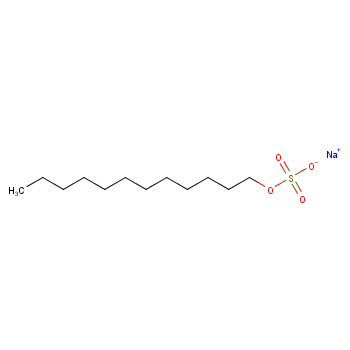
Sodium Lauryl Sulfate (SLS), with the chemical formula C12H25NaSO4 and CAS number 151-21-3, is a widely used surfactant known for its ability to produce foam and effectively remove oils and dirt from surfaces. It is commonly found in personal care products like shampoos, soaps, and toothpaste.
Sodium Lauroyl Sarcosinate (SLSa), with the chemical formula C15H28NNaO3 and CAS number 137-16-6, is another surfactant and cleansing agent derived from sarcosine, a naturally occurring amino acid. It is often used as a gentler alternative to sodium lauryl sulfate in personal care products.
Sodium Lauryl Sulfate and Sodium Lauroyl Sarcosinate are both effective cleansing agents, but they differ significantly in their chemical structures, properties, and uses. While both are surfactants, Sodium Lauryl Sulfate is known for being harsh on the skin and hair, whereas Sodium Lauroyl Sarcosinate is favored for its gentleness and ability to clean without stripping away natural oils or causing irritation.


Both compounds are derived from fatty acids, but Sodium Lauryl Sulfate is synthesized using sulfur trioxide, while Sodium Lauroyl Sarcosinate is derived from sarcosine, a naturally occurring amino acid.
Both Sodium Lauryl Sulfate and Sodium Lauroyl Sarcosinate are widely used in the cosmetic and personal care industries for their cleansing properties. However, their applications are distinct due to their differences in effectiveness, skin compatibility, and environmental impact.

Sodium Lauryl Sulfate is known for its strong cleansing power and ability to create rich foam, making it a common ingredient in a variety of industrial and consumer products. It is found in personal care products such as shampoos, body washes, face cleansers, and toothpaste, where its primary role is to effectively remove oils, dirt, and contaminants. Its foaming properties help enhance the user experience, creating a sense of thorough cleaning.
In addition to personal care products, Sodium Lauryl Sulfate is also used in household cleaning products, laundry detergents, and even in some industrial applications due to its ability to break down oils and grease. The strong detergency of SLS makes it ideal for tough cleaning tasks, but it can be harsh on sensitive skin or delicate hair, leading to dryness and irritation with prolonged use. As a result, products with SLS are typically recommended for those who require powerful cleansing, such as those who frequently handle oily substances or work in environments where strong cleaning agents are necessary.
Sodium Lauroyl Sarcosinate, on the other hand, is favored for its gentle yet effective cleansing properties. It is often used in personal care products formulated for sensitive skin, damaged hair, and delicate areas of the body. Sodium Lauroyl Sarcosinate cleanses without stripping the skin of its natural oils, making it a popular choice for facial cleansers, shampoos, and body washes designed for individuals with dry, sensitive, or easily irritated skin. It is also used in products aimed at treating conditions such as eczema, rosacea, and psoriasis, where harsh surfactants like Sodium Lauryl Sulfate may exacerbate the condition.
Because of its mildness, Sodium Lauroyl Sarcosinate is often found in “natural” or “organic” cosmetic products, where there is an emphasis on using biodegradable, non-toxic ingredients. It is also considered environmentally friendly, as it biodegrades more easily than Sodium Lauryl Sulfate, making it a more sustainable choice in many formulations. For people with sensitive skin, Sodium Lauroyl Sarcosinate offers a safer alternative to harsher surfactants, providing an effective clean without causing irritation or excessive dryness.
Another key advantage of Sodium Lauroyl Sarcosinate is its role in eco-friendly and sustainable beauty and cleaning products. Derived from natural sources, such as coconut oil, it appeals to consumers seeking products that are both effective and environmentally responsible. In addition to personal care, this surfactant is used in biodegradable household cleaning products, detergents, and even some industrial formulations. It helps meet the growing demand for sustainable ingredients that can reduce the environmental footprint of everyday products.
In summary, Sodium Lauryl Sulfate and Sodium Lauroyl Sarcosinate are both effective surfactants, but they differ in their gentleness and suitability for different skin types. Sodium Lauryl Sulfate is a powerful cleanser and foaming agent, ideal for products requiring heavy-duty cleaning, while Sodium Lauroyl Sarcosinate offers a milder, skin-friendly alternative that is suitable for sensitive skin and damaged hair. Understanding these differences is crucial for selecting the right surfactant for your personal care products.
| Side Effect |
Sodium Lauryl Sulfate |
Sodium Lauroyl Sarcosinate |
|---|---|---|
| Skin Irritation | Can cause irritation and dryness, especially with prolonged use | Very rare, much gentler on the skin |
| Hair Damage | Can strip natural oils, leading to dry, frizzy hair | Minimal risk, helps retain moisture in hair |
| Environmental Impact | Non-biodegradable, can contribute to pollution | Biodegradable and derived from natural sources |
If you're looking to purchase these compounds, Guidechem is your go-to platform for sourcing high-quality raw materials and reliable suppliers. With our extensive global network, we connect you to a wide range of Sodium Lauryl Sulfate suppliers and Sodium Lauroyl Sarcosinate suppliers, ensuring you find the right products to meet your specific research or production requirements. Whether you're in pharmaceuticals, food additives, or other industries, Guidechem simplifies the sourcing process, offering verified supplier information, competitive pricing, and seamless communication.
[1]Properties and Uses of Surfactants in Personal Care Products by A. B. Green.
[2]Environmental Impact of Surfactants in Journal of Environmental Science.
[3]Advances in Cosmetic Formulation: Surfactants and Their Applications by L. T. Harris.
[4]The Role of Mild Surfactants in Skin Health in Journal of Dermatology Research.
 |
|
 |



 1YR
1YR

