
Water Based Paint, also known as latex paint, is a type of paint that uses water as the primary solvent. It is composed of pigments, binders, and water, with the water providing the vehicle for the pigments and enabling the paint to be applied smoothly on surfaces.
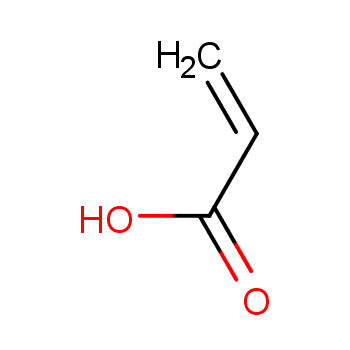
Acrylic Paint, with the chemical formula C3H4O2 and CAS number 79-10-7, is a water-based paint that uses acrylic polymers as the binder. This type of paint offers high durability and versatility, making it ideal for various applications, including fine arts and construction.
Water Based and Acrylic Paint are two popular types of paints used for a variety of purposes, but they have distinct characteristics. The main difference between these two lies in the binder material and its properties, affecting their application, drying time, and durability. Acrylic paint is a form of water-based paint that uses acrylic resins, giving it a stronger and more flexible finish compared to regular water-based paints.

While both water-based and acrylic paints share water as a solvent, the primary distinction lies in the binder used. Water-based paints typically use synthetic polymers that offer good adhesion and ease of application, whereas acrylic paints use acrylic resins, which provide superior durability, flexibility, and resistance to environmental factors like moisture and UV light.
Water-based and acrylic paints are versatile options for different applications, each offering unique advantages based on the needs of the user. While water-based paints are more commonly used for general interior wall painting and quick-drying applications, acrylic paints are favored for more demanding tasks such as fine art, exterior surfaces, and crafts that require durability and flexibility.

Water-based paints are most commonly used for painting interior walls in homes, offices, and commercial spaces. The primary reason for this is their quick drying time, which makes them ideal for fast turnarounds on painting projects. Additionally, water-based paints have low levels of volatile organic compounds (VOCs), making them an environmentally friendly option compared to other types of paint.
Another key advantage of water-based paint is its ease of cleaning. Brushes, rollers, and other painting tools can be cleaned with water, reducing the need for harsh chemicals. These paints are also more resistant to fading over time and provide a smooth, even finish with minimal odor, which is particularly useful for indoor applications.
Water-based paints are ideal for projects where minimal surface preparation is required. They can be applied on drywall, plaster, and wood with ease, offering good coverage and durability. However, while water-based paints are suitable for low-traffic areas, they may not be the best option for surfaces exposed to heavy wear and tear or moisture.
Acrylic paint is the preferred choice for artists due to its versatility and vibrant color payoff. It is commonly used in fine art, including canvas painting, murals, and other decorative projects. One of the key benefits of acrylic paint is its ability to dry quickly while maintaining a smooth, flexible surface that is resistant to cracking.
Acrylic paint is also highly durable, making it suitable for both interior and exterior applications. It is often used for painting outdoor signs, furniture, and even automobiles, thanks to its resistance to weathering, moisture, and UV light. This makes acrylic paint a more robust option for projects exposed to harsh conditions.
The paint’s ability to bond well to a variety of surfaces, such as wood, metal, and plastic, allows it to be used in crafts, home décor, and industrial applications. Additionally, acrylic paints are available in a wide range of finishes, from matte to glossy, providing flexibility for different aesthetic preferences.
In conclusion, water-based paints are an excellent choice for indoor applications where quick drying and low odor are priorities, while acrylic paints are ideal for projects requiring durability, flexibility, and resistance to environmental factors. Both types of paint have unique advantages, and choosing the appropriate one depends on the specific needs of the project.
| Side Effect |
Water-Based Paint |
Acrylic Paint |
|---|---|---|
| Fading Over Time | More susceptible to fading in direct sunlight over time | Resistant to fading, even in harsh sunlight |
| Surface Preparation | Requires minimal surface preparation, but adhesion can be an issue on glossy surfaces | Requires thorough surface preparation for best results |
| Durability | May not withstand heavy traffic or extreme weather | Highly durable and resistant to wear and tear |
| Environmental Impact | Lower VOCs, but still contains some chemicals | Contains higher levels of VOCs compared to water-based paint |
If you're looking to purchase these compounds, Guidechem is your go-to platform for sourcing high-quality raw materials and reliable suppliers. With our extensive global network, we connect you to a wide range of Acrylic suppliers, ensuring you find the right products to meet your specific research or production requirements. Whether you're in pharmaceuticals, food additives, or other industries, Guidechem simplifies the sourcing process, offering verified supplier information, competitive pricing, and seamless communication.
[1]Comparison of Water-Based and Acrylic Paints for Industrial Applications by D. Smith.
[2]Durability and Flexibility in Acrylic Paints in Journal of Materials Science.
[3]Water-Based Paints: Environmental Benefits and Limitations in Environmental Science & Technology.
[4]Acrylic Paints: A Comprehensive Guide to Usage by J. H. Walters.
|
 |
 |



 6YRS
6YRS


