Granactive Retinoid, is a newer, stabilized form of retinoid. It is designed to be a gentler alternative to traditional retinoids, offering the skin the benefits of retinoic acid with reduced irritation. Granactive retinoid enhances skin elasticity and prevents collagen degradation, effectively addressing signs of aging. It also helps minimize wrinkles, promoting a more youthful appearance.
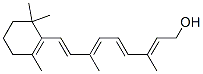
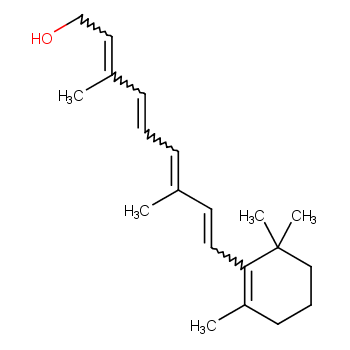
Retinol, with the chemical formula C20H30O and CAS number 68-26-8, is a well-known member of the retinoid family. It is commonly used in skincare for its ability to improve skin texture, reduce signs of aging, and treat acne. Retinol is a precursor to retinoic acid, which is the active form of vitamin A.
Granactive Retinoid and Retinol both fall under the broader category of retinoids, compounds derived from vitamin A, but they differ in their chemical structure, stability, and how they interact with the skin. While they share common benefits such as promoting collagen production, reducing wrinkles, and treating acne, Granactive Retinoid is often considered a gentler, more stable option compared to Retinol.

The key difference in synthesis lies in the addition of the hydroxypinacolone group in Granactive Retinoid, which contributes to its stability and lower irritation potential compared to Retinol. The synthesis of Retinol typically involves isolating and converting vitamin A into its active form.
Both Granactive Retinoid and Retinol offer significant skincare benefits, especially in addressing signs of aging and acne. However, their applications vary slightly due to their differing strengths, stability, and potential for irritation.

Granactive retinoid, a next-generation retinoid, is renowned for its ability to deliver the benefits of retinoids without the associated irritation. One of its key applications is in enhancing skin elasticity by boosting collagen production. Collagen is a vital protein that maintains skin structure, and its natural production decreases with age, leading to sagging and wrinkles. Granactive retinoid works effectively to counteract this process, promoting firmer and more resilient skin.
For individuals with acne-prone skin, granactive retinoid is a game-changer. It helps to regulate sebum production, reducing the occurrence of breakouts and giving the skin a clearer, more even-toned appearance. Additionally, its anti-inflammatory properties make it suitable for sensitive skin types, as it minimizes redness and irritation often triggered by conventional retinoids.
Another noteworthy application of granactive retinoid is its ability to combat photodamage. Prolonged exposure to ultraviolet (UV) rays can accelerate aging by degrading collagen and increasing pigmentation. Granactive retinoid repairs damaged skin cells and lightens hyperpigmentation, leading to a more radiant and youthful complexion. Moreover, its stability ensures longer shelf life and consistent efficacy over time, making it a reliable choice for daily skincare regimens.
Retinol remains one of the most popular ingredients in skincare due to its proven effectiveness in combating signs of aging. It works by increasing cell turnover, which helps to reduce the appearance of fine lines, wrinkles, and age spots. Retinol also helps to even out skin tone by encouraging the production of new skin cells.
Retinol is particularly effective in treating acne by unclogging pores and promoting healthy skin renewal. While Retinol may cause irritation, its benefits in reducing acne and improving skin texture make it a staple in many anti-aging and acne treatment regimens.
In conclusion, Granactive Retinoid is the gentler option for those with sensitive skin, offering stability and effective anti-aging and acne treatment without the irritation commonly associated with Retinol. Retinol, on the other hand, remains a powerful choice for those looking for fast, noticeable skin renewal and anti-aging benefits, despite its potential to cause irritation in some individuals. Both ingredients are invaluable for improving skin texture, reducing wrinkles, and treating acne, but the choice between them depends on your skin type and tolerance.
| Side Effect |
Granactive Retinoid |
Retinol |
|---|---|---|
| Dryness and Irritation | Rare, typically well-tolerated by sensitive skin | Common, may cause dryness, redness, or peeling |
| Collagen Synthesis | Effective, promotes collagen production with minimal irritation | Effective, but may cause irritation in sensitive individuals |
| Initial Effects | Gradual, may take longer to show visible results | Faster results, but may cause irritation during the early stages |
| Sun Sensitivity | Moderate, should be used with sunscreen | High, should always be used with sunscreen |
In conclusion, both granactive retinoid and retinol offer significant skin benefits, particularly in improving skin texture, elasticity, and combating signs of aging. Granactive retinoid stands out for its stability, fewer side effects, and immediate action, making it a suitable choice for sensitive skin. Retinol, on the other hand, remains a powerful option for addressing severe skin concerns, including persistent acne and pronounced wrinkles. By understanding the differences between these compounds, individuals can choose the best solution tailored to their skin care needs.
If you're looking to purchase these compounds, Guidechem is your go-to platform for sourcing high-quality raw materials and reliable suppliers. With our extensive global network, we connect you to a wide range of Retinol suppliers, ensuring you find the right products to meet your specific research or production requirements. Whether you're in pharmaceuticals, food additives, or other industries, Guidechem simplifies the sourcing process, offering verified supplier information, competitive pricing, and seamless communication.
[1]Comprehensive Dermatological Science by J. A. Roberts.
[2]Retinoids: From Clinical Applications to Molecular Insights in Journal of Skin Research.
[3]Advances in Cosmetic Chemistry by M. K. Singh.
[4]Retinol Stability Studies in International Cosmetic Science Journal.
 |
|
 |



 1YR
1YR