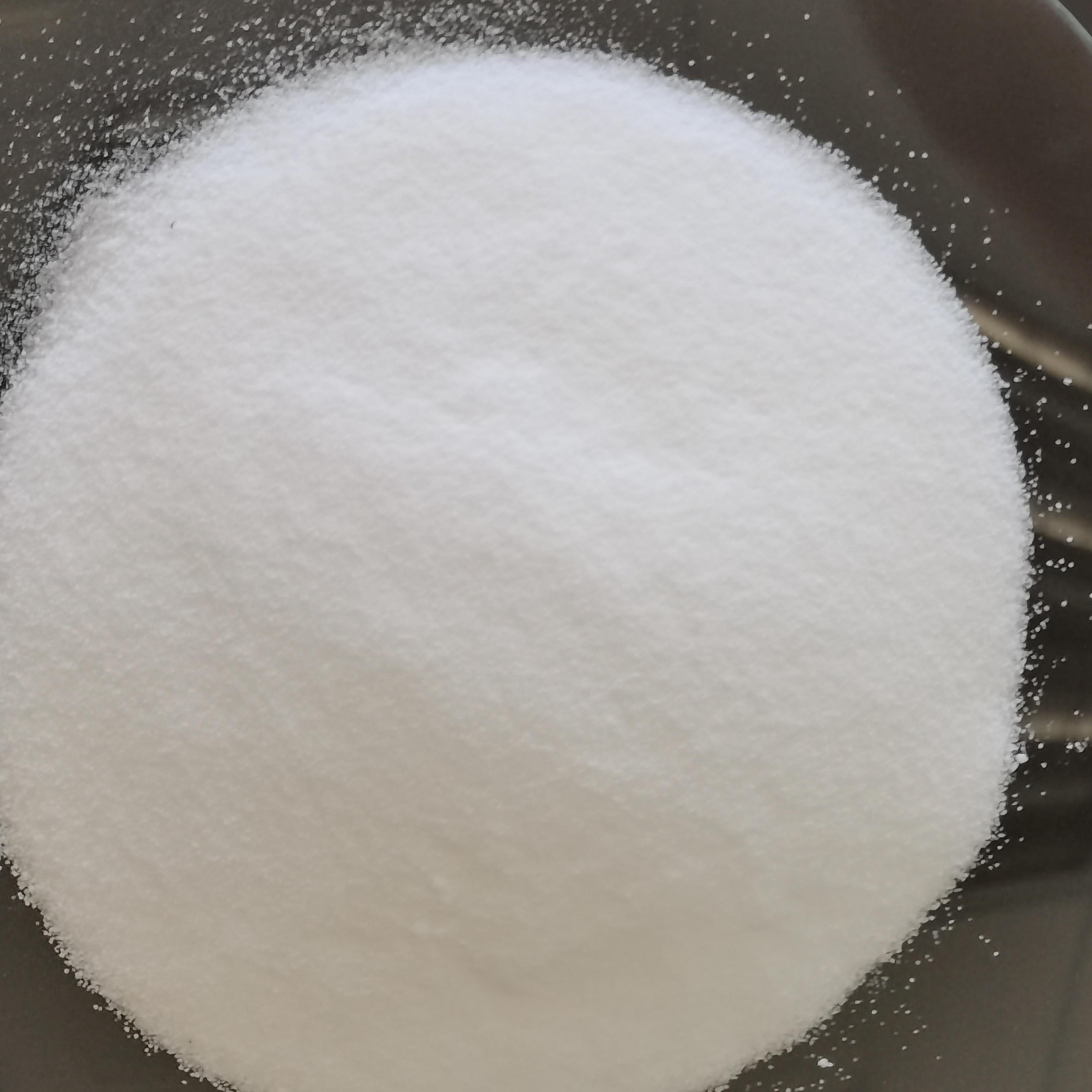
Hexylresorcinol is a chemical compound with a variety of properties, including anaesthetic, antiseptic, and antihelmintic effects. It is primarily used as a soothing agent in skincare products. While it offers skin-brightening properties, it is not as potent a lightening agent as hydroquinone.
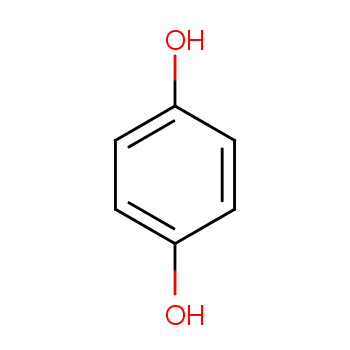
Hydroquinone, on the other hand, is widely recognized for its effectiveness in skin lightening and treating hyperpigmentation. With a chemical structure that directly inhibits the production of melanin, hydroquinone is the go-to agent for treating dark spots, freckles, and melasma.
The primary difference between Hexylresorcinol vs Hydroquinone lies in their potency and usage. While both are used to treat skin discoloration, hydroquinone is a much stronger and more effective agent for lightening skin. It is frequently used in concentrations as high as 4% in over-the-counter products, and can even be prescribed in higher concentrations (8% or 12%) for severe skin pigmentation issues. In comparison, hexylresorcinol is generally used in lower concentrations and is often found in products that aim to reduce mild skin discolorations or as part of a broader skincare formulation.


Despite both compounds being derived from phenolic structures, the key difference in synthesis lies in their molecular additions—hexylresorcinol includes an alkyl group for solubility in oil-based products, while hydroquinone’s hydroxyl groups are critical for its potent melanin-blocking action.
Both Hexylresorcinol and Hydroquinone are used in skincare, but they serve different purposes due to their unique properties. Hexylresorcinol is often used for its anti-inflammatory and skin-brightening effects, offering a gentler approach to treating hyperpigmentation. Hydroquinone, however, is a more potent skin-lightening agent, commonly used to address stubborn dark spots and discoloration, though it may cause irritation for sensitive skin.

Hexylresorcinol is often used in skincare products for its mild skin-brightening effects and soothing properties. It is typically included in formulations aimed at treating minor skin discolorations, such as age spots, dark circles, and mild hyperpigmentation. While Hexylresorcinol's ability to inhibit melanin production is not as strong as that of hydroquinone, it provides a gentler alternative for individuals seeking a subtle brightening effect without the harsher side effects commonly associated with more potent compounds. In addition to its lightening effects, Hexylresorcinol offers antibacterial and antioxidant properties, which help protect the skin from environmental stressors and improve overall skin health. This makes it a versatile ingredient in skincare, especially for those with sensitive or reactive skin.
Hydroquinone is one of the most widely used ingredients in professional skin lightening treatments due to its proven efficacy in reducing skin pigmentation. It is particularly effective in treating conditions such as melasma, sun spots, and freckles, thanks to its potent ability to inhibit melanin production. Hydroquinone works by blocking the action of the tyrosinase enzyme, which plays a central role in melanin synthesis, thereby reducing pigmentation in the skin and helping to achieve a more even skin tone. It is commonly found in concentrations of 2-4% in over-the-counter products, making it accessible for individuals seeking to address minor pigmentation issues. For more severe cases, hydroquinone can be compounded in higher strengths (up to 12%) under the supervision of a healthcare professional. In addition to its effectiveness for melasma and sunspots, hydroquinone is also used to treat post-inflammatory hyperpigmentation, where dark spots form as a result of acne or other skin injuries, promoting faster and more noticeable skin recovery.
Another popular ingredient for skin lightening is Synovea. A synthetic compound derived from resorcinol is known as Synovea, or Hexylresorcinol. This patented chemical has the ability to inhibit melanin synthesis, effectively targeting the onset and causes of skin pigmentation. While Synovea shares some properties with hydroquinone, it is considered a safer, milder alternative due to its lower potential for irritation. Synovea is known for its ability to target melanin synthesis through a different mechanism than hydroquinone, making it a suitable option for individuals with sensitive skin who may not tolerate hydroquinone’s stronger effects.
In summary, Hexylresorcinol vs Hydroquinone offers a comparison between two skin lightening agents that vary greatly in potency and application. Hexylresorcinol is a gentler option for those seeking mild lightening effects and skin soothing properties, while hydroquinone remains the gold standard for treating more severe pigmentation issues. Both compounds are effective in their respective roles, but hydroquinone is the preferred choice for stronger and more rapid results in skin lightening.
| Side Effect |
Hexylresorcinol |
Hydroquinone |
|---|---|---|
| Irritation | Rare, mild irritation may occur for sensitive skin types | Common, may cause redness, stinging, or dryness, especially with prolonged use |
| Sensitivity to Sunlight | Unlikely to cause increased sensitivity | Can increase sensitivity to sunlight, requiring additional sun protection |
| Use Restrictions | No significant restrictions | Can be restricted in some countries due to potential side effects at higher concentrations |
| Tolerance Over Time | Well-tolerated by most individuals | Some individuals may develop tolerance, requiring breaks or discontinuation of use |
If you're looking to purchase these compounds, Guidechem is your go-to platform for sourcing high-quality raw materials and reliable suppliers. With our extensive global network, we connect you to a wide range of Hexylresorcinol suppliers and Hydroquinone suppliers, ensuring you find the right products to meet your specific research or production requirements. Whether you're in pharmaceuticals, food additives, or other industries, Guidechem simplifies the sourcing process, offering verified supplier information, competitive pricing, and seamless communication.
[1]Hexylresorcinol: Skin Brightening and Applications by A. M. Brooks.
[2]Hydroquinone and its Use in Skin Lightening by S. D. Patel.
[3]Topical Treatments for Hyperpigmentation: A Review in Journal of Dermatological Treatments.
[4]Comparative Efficacy of Skin Lightening Agents in International Journal of Dermatology.
|


 5YRS
5YRS