
Non Nano Zinc Oxide, is a form of zinc oxide where the particle size is larger than 100 nanometers. It is commonly used in sunscreens, cosmetics, and various skin care products due to its ability to provide physical sun protection by reflecting UV radiation.
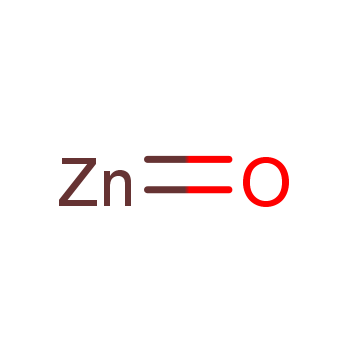
Zinc Oxide, with the same chemical formula ZnO and CAS number 1314-13-2, is a widely used compound in various industries, including medicine, cosmetics, and manufacturing. It is a versatile ingredient found in many skin products, including sunscreens, ointments, and diapers, providing protection against UV rays and promoting skin healing.
Non Nano Zinc Oxide and Zinc Oxide are both forms of zinc oxide, but they differ primarily in the size of the particles, which impacts their applications and performance, especially in cosmetic and pharmaceutical products. Non Nano Zinc Oxide is known for its physical sun-blocking capabilities due to its larger particle size, while regular Zinc Oxide, which may include nano-sized particles, has better skin absorption properties and is often used in a wider range of formulations.

Both non-nano and nano zinc oxide are made from the same base compound, ZnO, but the key difference lies in the particle size. Non-nano zinc oxide is intentionally produced to remain in larger particle forms, while regular zinc oxide may include particles of a much smaller size, allowing for different types of applications.
Zinc oxide is a versatile compound used in a wide array of industries, including cosmetics, pharmaceuticals, and health products. The key distinction between non-nano zinc oxide and zinc oxide lies in their particle size, which greatly affects their behavior, functionality, and application in various products. Non-nano zinc oxide has larger particles that remain on the skin’s surface, while zinc oxide in nanoparticle form can penetrate the skin. This difference plays a crucial role in determining the most appropriate uses for each type of zinc oxide, particularly in the realms of sun protection, skin care, and topical treatments.

Non-nano zinc oxide is widely known for its sun protection properties, making it a popular ingredient in sunscreens and various cosmetic products. The larger particle size of non-nano zinc oxide prevents it from being absorbed into the skin, which allows it to sit on the surface and reflect UV rays. This physical barrier is particularly effective in blocking both UVA and UVB radiation, providing broad-spectrum protection. Non-nano zinc oxide is an ideal choice for sensitive skin, as it minimizes the risk of irritation. It is often included in products designed for individuals with skin conditions such as rosacea, eczema, or acne, where traditional chemical sunscreens might cause adverse reactions. Additionally, non-nano zinc oxide’s ability to form a protective barrier without penetrating the skin makes it a beneficial ingredient in diaper creams, rash creams, and healing ointments. In these products, it helps to prevent irritation and promotes healing by shielding the skin from external irritants while remaining non-invasive.
The non-penetrative nature of non-nano zinc oxide also makes it suitable for topical treatments where the goal is to protect and soothe the skin without entering the bloodstream. For example, sunblocks and moisturizing creams containing non-nano zinc oxide are ideal for individuals seeking gentle, effective, and natural skincare solutions that provide long-lasting protection against harmful environmental factors.
In contrast, zinc oxide in its nanoparticle form is utilized in a range of cosmetic and pharmaceutical products where deeper skin absorption and a lighter feel are desired. The smaller particle size of zinc oxide nanoparticles allows them to penetrate the skin more readily, making it an excellent ingredient for products like foundations, anti-aging creams, and lightweight sunscreens. These products benefit from the improved texture and absorption properties of zinc oxide nanoparticles, as they can create a more seamless, invisible finish when applied to the skin. For consumers looking for a non-greasy, non-chalky sunscreen, zinc oxide nanoparticles offer enhanced aesthetic qualities without compromising on protection from the sun.
In the pharmaceutical field, zinc oxide is often used in the treatment of skin conditions such as rashes, burns, and wounds due to its anti-inflammatory and healing properties. Zinc oxide’s ability to promote skin regeneration and reduce irritation makes it a staple in topical treatments like ointment or creams designed for fast recovery. Zinc oxide helps to accelerate the healing process by forming a protective layer on the skin, preventing further irritation or infection, while also providing a soothing effect. Due to its antimicrobial properties, it is also effective in protecting wounds from bacteria, promoting a healthier environment for skin repair. This makes zinc oxide a valuable asset in both cosmetic formulations and medical treatments where gentle yet effective care is needed.
In conclusion, both non nano zinc oxide and zinc oxide offer significant benefits, particularly in cosmetics and dermatology. Non nano zinc oxide is most effective for providing physical sun protection and soothing irritated skin, while zinc oxide with smaller particles is better for deeper skin penetration, making it ideal for a variety of cosmetic formulations. The choice between the two should depend on the specific skin needs and product requirements.
| Side Effect |
Non Nano Zinc Oxide |
Zinc Oxide |
|---|---|---|
| Skin Sensitivity | Unlikely to cause irritation, suitable for sensitive skin | Possible irritation, especially in products with smaller particles |
| Cosmetic Feel | Leaves a visible white residue on the skin | Absorbs more easily, leaving a smoother finish |
| Water Resistance | May not be as resistant to water and sweat | Improved water resistance due to smaller particles |
| Environmental Impact | Lower environmental impact as it is not absorbed into the skin | Nanoparticles may have potential environmental concerns |
| Formulation Limitations | Limited in use for products requiring smooth texture | Widely used in various formulations due to improved texture and absorption |
When deciding between non nano zinc oxide and zinc oxide for your health, the key consideration is the application and desired outcomes. Non nano zinc oxide is ideal for individuals seeking effective sun protection and those with sensitive skin. Its larger particles create a physical barrier on the skin, providing protection from UV rays without penetrating the skin. This makes it a preferred choice for those with conditions like rosacea or acne, as it’s less likely to irritate the skin or cause absorption-related concerns.
On the other hand, zinc oxide, with its smaller particles (often in nanoparticle form), is a good option for individuals looking for better absorption and smoother application in cosmetic products. This form is more likely to be absorbed into the skin, making it effective for healing and promoting skin regeneration, such as in the treatment of wounds, rashes, or irritation. However, some individuals may experience irritation or digestive discomfort if consumed in supplement form, particularly in higher concentrations or specific formulations.
Ultimately, if you are seeking physical, topical protection with minimal skin penetration, non nano zinc oxide is the superior choice, especially for sensitive skin types. However, if you require a form that absorbs into the skin for therapeutic or cosmetic benefits, traditional zinc oxide (including nanoparticle formulations) might be more effective, offering smoother application and quicker results.
*For optimal results and to ensure that you are selecting the best zinc product for your needs, it is recommended to consult with a healthcare provider. They can help you choose the appropriate form based on your skin sensitivity, health goals, and any underlying conditions.
If you're looking to purchase these compounds, Guidechem is your go-to platform for sourcing high-quality raw materials and reliable suppliers. With our extensive global network, we connect you to a wide range of zinc oxide suppliers, ensuring you find the right products to meet your specific research or production requirements. Whether you're in pharmaceuticals, food additives, or other industries, Guidechem simplifies the sourcing process, offering verified supplier information, competitive pricing, and seamless communication.
[1]The Chemistry of Sunscreens by S. T. Miller.
[2]Nanotechnology in Cosmetics by H. S. Nakamura.
[3]Understanding Zinc Oxide and Its Role in Skin Health in Journal of Dermatology.
[4]Research on Non Nano Zinc Oxide for Skin Protection in International Journal of Cosmetic Science.
 |
|
 |


 2YRS
2YRS


