
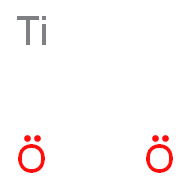
Titanium Dioxide, with the chemical formula TiO2 and CAS number 13463-67-7, is a naturally occurring mineral commonly used in sunscreens. It provides broad-spectrum UV protection by reflecting and scattering ultraviolet light, primarily UV-B rays.
Zinc Oxide, with the chemical formula ZnO and CAS number 1314-13-2, is another mineral sunscreen agent that offers broad-spectrum protection against both UV-A and UV-B radiation. It is known for its ability to block harmful rays while being gentle on the skin.
Titanium Dioxide and Zinc Oxide are both popular physical sunscreens, providing a physical barrier to UV radiation. However, their effectiveness varies when it comes to UV-A protection. While Titanium Dioxide offers effective UV-B blocking, Zinc Oxide provides superior protection against both UV-A and UV-B rays, offering what is known as true broad-spectrum protection. This makes Zinc Oxide the more effective choice for overall sun protection.


Both Titanium Dioxide and Zinc Oxide are produced through high-temperature reactions that result in the formation of fine particles, which are used in sunscreen formulations to block UV radiation.
Both Titanium Dioxide and Zinc Oxide are widely used in sunscreens due to their ability to protect the skin from harmful ultraviolet (UV) radiation. These minerals are often favored for their physical (mineral) sun-blocking properties, where they work by creating a barrier on the skin's surface to reflect or scatter UV rays. However, their unique characteristics make them more suited for different sun protection needs and individual skin types, making a comparison between the two essential for choosing the most appropriate sunscreen.

Titanium Dioxide is a highly effective ingredient when it comes to protecting the skin from UV-B radiation, which is primarily responsible for causing sunburns and is a key contributor to skin cancer. As a physical sunscreen agent, Titanium Dioxide works by reflecting UV-B rays away from the skin, making it particularly beneficial for individuals seeking immediate protection from sunburn. Additionally, Titanium Dioxide is a gentler option, often included in sunscreens designed for sensitive skin, babies, or those with conditions such as rosacea. It is hypoallergenic and less likely to cause irritation compared to some chemical sunscreen ingredients. However, Titanium Dioxide has limitations in offering full-spectrum protection as it primarily targets UV-B rays and is less effective at blocking UV-A rays. UV-A rays penetrate deeper into the skin, leading to premature aging, wrinkles, and DNA damage. This makes Titanium Dioxide a great option for protecting against sunburn but not as ideal for long-term skin health or for those concerned about aging effects caused by prolonged sun exposure.
In contrast, Zinc Oxide offers superior, broad-spectrum protection, blocking both UV-A and UV-B radiation. This makes it an excellent choice for individuals looking for comprehensive sun protection. As a physical sunscreen, Zinc Oxide sits on top of the skin, scattering and reflecting UV rays. Zinc Oxide is particularly effective in blocking UV-A rays, which penetrate deeper into the skin and are responsible for long-term skin damage such as photoaging and wrinkle formation. Because of its wide coverage against both types of harmful UV rays, Zinc Oxide is often considered the most effective and reliable sunscreen ingredient. Its broad-spectrum protection is ideal for people concerned with both short-term protection against sunburn and long-term skin health. Zinc Oxide is also a preferred option for those with sensitive skin, as it is less likely to cause irritation compared to chemical sunscreens. Furthermore, its natural composition makes it a great alternative for individuals seeking high-performance sun protection without the use of chemical filters. Whether you're heading to the beach or simply going for a walk, Zinc Oxide offers long-lasting and complete protection against both harmful UV rays.
In summary, Titanium Dioxide is effective for blocking UV-B rays but falls short when it comes to blocking UV-A radiation. Zinc Oxide, on the other hand, provides comprehensive protection against both UV-A and UV-B rays, making it the preferred choice for broad-spectrum sun protection. Zinc Oxide's ability to block deeply penetrating UV-A rays is essential for long-term skin health, offering superior protection from both sunburns and premature skin aging. When choosing a sunscreen, Zinc Oxide is the better option for those seeking the most complete sun protection.
| Side Effect |
Titanium Dioxide |
Zinc Oxide |
|---|---|---|
| Skin Irritation | Rare, but may cause irritation in some individuals | Rare, considered gentle on sensitive skin |
| Visible Residue | Can leave a white cast, especially on darker skin tones | Can leave a white cast, but generally less noticeable than Titanium Dioxide |
| Photo-degradation | Less stable under sunlight, may break down over time | More stable, retains effectiveness under sunlight |
| Environmental Impact | May pose a risk to marine life if used in large quantities | May pose a risk to marine life, though more research is needed |
When choosing between Titanium Dioxide and Zinc Oxide for your sunscreen needs, it's essential to consider your skin type, any allergies, and the level of sun protection required. Zinc Oxide is known for its broad-spectrum protection against both UVA and UVB rays, making it a top choice for individuals with sensitive skin or those prone to skin irritation. It is also more water-resistant, offering longer-lasting protection, especially during physical activities or swimming. Additionally, Zinc Oxide is less likely to clog pores, making it a preferred option for acne-prone skin.
In contrast, Titanium Dioxide, while also offering excellent protection against UVB rays, is more commonly used in formulations that focus on creating a lighter texture. Titanium Dioxide is often found in products designed for dry or normal skin, as it tends to leave a more matte finish and is less likely to feel greasy on the skin. However, it may not provide the same level of broad-spectrum protection as Zinc Oxide, and some individuals may find that it offers less long-lasting coverage.
Ultimately, if you're looking for a sunscreen that offers superior protection for sensitive skin, especially in harsh sun conditions, Zinc Oxide is the superior choice. It provides broad-spectrum coverage, is less irritating, and is more suitable for long-term wear. However, if lightweight feel or a matte finish is a priority, Titanium Dioxide may be more suitable, although it may not provide the same level of comprehensive protection.
*For optimal results, it is recommended to choose a sunscreen based on your skin type and exposure level, and to consult with a dermatologist for personalized recommendations. They can help you select the best product suited to your unique skin needs and sun protection goals.
If you're looking to purchase these compounds, Guidechem is your go-to platform for sourcing high-quality raw materials and reliable suppliers. With our extensive global network, we connect you to a wide range of zinc oxide suppliers and Titanium Dioxide suppliers, ensuring you find the right products to meet your specific research or production requirements. Whether you're in pharmaceuticals, food additives, or other industries, Guidechem simplifies the sourcing process, offering verified supplier information, competitive pricing, and seamless communication.
[1]Physical Sunscreens and Their Effectiveness in UV Protection by A. G. Smith.
[2]Advances in Zinc Oxide Sunscreens in Journal of Dermatological Science.
[3]Sunscreen Technology and Application by C. L. Johnson.
[4]Evaluation of Titanium Dioxide and Zinc Oxide in Sunscreen Formulations in International Journal of Cosmetic Science.
 |
 |
|



 1YR
1YR

