
Benzoic Acid, with the chemical formula C7H6O2 and CAS number 65-85-0, is a white solid that is only slightly soluble in water. It is commonly found in various plant sources and has a long history of use as a preservative due to its antimicrobial properties.
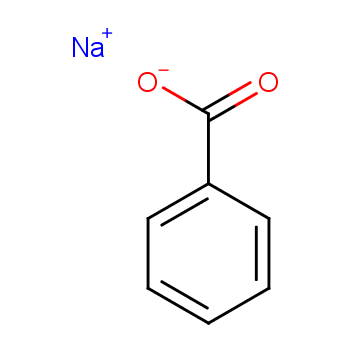
Sodium Benzoate, with the chemical formula C7H5NaO2 and CAS number 532-32-1, is a salt of benzoic acid and is about 200 times more soluble in water than benzoic acid. It is widely used as a preservative in foods and beverages due to its effectiveness in inhibiting the growth of bacteria and fungi.
Benzoic acid and sodium benzoate are both widely used in food preservation, particularly in naturally acidic foods, fruit juices, and soft drinks. However, while they share some similarities, such as their antimicrobial properties, they differ significantly in their chemical structure, solubility, and applications. This article will compare the two compounds, focusing on their chemistry, uses, and benefits in various industries.


Both compounds are derived from the same basic chemical structure, but sodium benzoate's increased solubility in water makes it more versatile in food and beverage applications. Benzoic acid, on the other hand, is typically used in its solid form in more acidic environments.
Benzoic acid and sodium benzoate have a wide range of applications, particularly in the food and beverage industry, as preservatives due to their ability to inhibit microbial growth. However, the key differences in their chemical properties and solubility make them suitable for different uses. In this section, we will explore their applications in detail.

Benzoic acid is a versatile compound primarily used in the production of other chemicals, such as benzoyl peroxide, a crucial initiator in the polymerization process. Benzoyl peroxide plays a significant role in the manufacture of plastics, resins, and various types of synthetic rubbers. Additionally, benzoic acid is a key ingredient in the production of dyes, contributing to their vibrant colors and stability. In the food industry, benzoic acid serves as a preservative, particularly in naturally acidic foods, like pickles, jams, and sauces, where it helps inhibit microbial growth and prolong shelf life. Its mild solubility makes it ideal for use in solid forms, where it can be effective even in non-aqueous environments, providing preservation without the need for a liquid medium.
Beyond food, benzoic acid is widely used in the pharmaceutical industry. It acts as an antifungal agent, helping treat skin conditions such as eczema, where its ability to reduce inflammation and combat fungal infections proves beneficial. In cosmetics, benzoic acid is valued for its antimicrobial properties, which help preserve creams, lotions, and other skincare products by preventing the growth of bacteria and mold. Its broad utility across multiple industries underscores its importance as a chemical preservative, active ingredient, and processing agent.
Sodium benzoate is most commonly used as a preservative in beverages, fruit juices, soft drinks, and other food products. Its high solubility in water makes it ideal for liquid formulations, where it can effectively inhibit the growth of harmful microorganisms, such as bacteria and fungi. Sodium benzoate is particularly valuable in acidic environments, as it remains effective at lower pH levels, making it a key preservative in products like carbonated drinks, jams, and pickles. Its ability to maintain stability and prevent spoilage in such conditions ensures the extended shelf life of food items.
In addition to its widespread use in the food industry, sodium benzoate is also commonly utilized in the pharmaceutical industry. It is used to preserve liquid medications, particularly oral solutions, and to prevent microbial contamination. Sodium benzoate's quick dissolution in water makes it a preferred choice to benzoic acid, which has lower solubility and may not be as effective in certain formulations. This makes sodium benzoate particularly useful in the creation of safe and stable liquid medicines, ensuring that they remain free from harmful microbes throughout their shelf life.
Both benzoic acid and sodium benzoate find applications in the cosmetics and personal care industries. Benzoic acid is used in the formulation of skincare products, where its antifungal and antibacterial properties help to preserve the product and reduce the risk of skin irritation. Sodium benzoate, with its superior solubility, is more commonly found in aqueous-based cosmetics and personal care products like shampoos, lotions, and deodorants.
In conclusion, both benzoic acid and sodium benzoate serve as valuable preservatives, with benzoic acid being more suitable for solid or non-aqueous food products, while sodium benzoate is ideal for liquid formulations due to its high solubility. Both compounds are widely used in food preservation, pharmaceuticals, and personal care products, but the choice between them depends largely on the form of the product and the specific preservation requirements.
| Side Effect |
Benzoic Acid |
Sodium Benzoate |
|---|---|---|
| Digestive Issues | Rare, can cause irritation in large amounts | Can cause digestive discomfort, especially in high doses |
| Allergic Reactions | Rare, but may cause skin irritation | Can cause allergic reactions in sensitive individuals |
| Health Concerns | May cause toxicity when consumed in large amounts | Has been linked to hyperactivity in children, particularly when consumed with artificial colorings |
If you're looking to purchase these compounds, Guidechem is your go-to platform for sourcing high-quality raw materials and reliable suppliers. With our extensive global network, we connect you to a wide range of Benzoic Acid suppliers and Sodium Benzoate suppliers, ensuring you find the right products to meet your specific research or production requirements. Whether you're in pharmaceuticals, food additives, or other industries, Guidechem simplifies the sourcing process, offering verified supplier information, competitive pricing, and seamless communication.
[1]Preservatives in Food and Beverages: An Overview by T. K. Adams.
[2]Sodium Benzoate and Benzoic Acid in Food Preservation in Journal of Food Safety.
[3]Health Impacts of Artificial Food Additives by M. L. Pearson.
[4]Comparing Chemical Preservatives in Cosmetics in Cosmetic Science & Technology.
 |
|
 |



 1YR
1YR


