
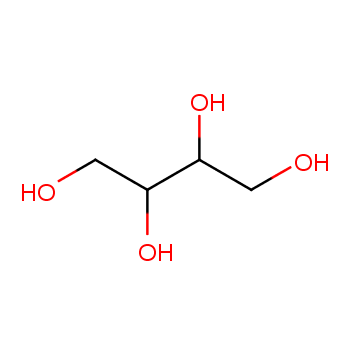
Erythritol, with the chemical formula C4H10O4 and CAS number 149-32-6, is a sugar alcohol commonly used as a low-calorie sweetener. It is naturally present in fruits such as grapes and peaches, as well as in mushrooms and fermented foods like soy sauce and cheese. Commercially, erythritol is synthesized by fermenting wheat or corn starch and is often found in “zero-calorie” or “diet” products, including gum, candy, and sweeteners.
Monk Fruit, also known as luo han guo, belongs to the same botanical family as gourds and pumpkins. Its sweetening component, mogrosides, is extracted through industrial processing. Used for centuries in traditional Chinese medicine, monk fruit has recently gained popularity worldwide as a natural, zero-calorie sweetener. It is often combined with other sweeteners like erythritol to balance taste.
Erythritol and Monk Fruit are popular natural sweeteners with distinct characteristics. The primary differences between the two are their origins, sweetness levels, and potential health effects, making them suitable for varying dietary needs.

While erythritol involves microbial fermentation, monk fruit extraction is purely physical and chemical. Both processes result in sweeteners free of significant calories but with differing properties and applications.

Erythritol, with its chemical formula C4H10O4 and CAS number 149-32-6, is a sugar alcohol commonly used in low-calorie and sugar-free products. It’s widely incorporated into “zero-calorie” gum, candy, and sweeteners due to its minimal impact on blood sugar levels. As erythritol doesn’t contribute to glucose or insulin spikes, it is an excellent choice for individuals with diabetes or those on ketogenic diets. Furthermore, its low glycemic index ensures stable energy levels, making it ideal for sustained energy during physical activities.
Erythritol also finds applications in dental health. Unlike traditional sugars, erythritol doesn’t promote tooth decay, making it a safer alternative for oral hygiene. As it provides about 60% to 80% of sugar’s sweetness, it offers a pleasant taste profile without an overpowering sweetness, making it suitable for baking, beverages, and sauces. Additionally, its heat-stable nature allows it to maintain its structure and sweetness under high temperatures, enhancing its versatility in cooking and food preparation.
However, erythritol is not without limitations. It may cause gastrointestinal discomfort, such as bloating or diarrhea, especially when consumed in large quantities. To minimize such effects, it is recommended to use erythritol in moderation and gradually increase intake.
Monk fruit, also known as luo han guo, is a traditional sweetener derived from the monk fruit plant, a member of the gourd family. Unlike erythritol, monk fruit is significantly sweeter than sugar, being 100 to 250 times as sweet. This high sweetness intensity means only a small amount is required to achieve the desired taste, making it a cost-effective choice for reducing sugar consumption.

The absence of calories and carbohydrates in monk fruit sweetener makes it ideal for low-carb and ketogenic diets. Its glycemic index is effectively zero, which ensures it won’t raise blood sugar levels, making it suitable for individuals managing diabetes. Additionally, monk fruit is often used in beverages, desserts, and processed foods where a natural sweetener is desired.
Monk fruit also holds a unique place in traditional Chinese medicine, where it is used for its purported health benefits, including soothing sore throats and reducing inflammation. Its antioxidant properties contribute to its appeal as a functional ingredient in health-focused products.
Despite its benefits, monk fruit may not be suitable for all applications. Its distinct taste profile, though closer to sugar than many alternatives, can sometimes result in a mild aftertaste. Additionally, monk fruit sweetener requires processing to isolate the active compounds responsible for its sweetness, which might concern those seeking minimally processed foods.
Erythritol and Monk Fruit both offer effective sugar substitutes, each with distinct benefits. Erythritol excels in versatility and digestive tolerance, while monk fruit provides intense sweetness with a natural appeal. Choosing between them depends on individual dietary preferences and health goals.
| Aspect |
Erythritol |
Monk Fruit |
|---|---|---|
| Digestive Issues | May cause bloating and diarrhea in large quantities | Rare, but some may dislike the aftertaste |
| Processing | Heavily processed, not a “whole food” | Requires significant processing to extract mogrosides |
| Aftertaste | Generally no aftertaste | Possible mild aftertaste |
If you're looking to purchase these compounds, Guidechem is your go-to platform for sourcing high-quality raw materials and reliable suppliers. With our extensive global network, we connect you to a wide range of Erythritol suppliers, ensuring you find the right products to meet your specific research or production requirements. Whether you're in pharmaceuticals, food additives, or other industries, Guidechem simplifies the sourcing process, offering verified supplier information, competitive pricing, and seamless communication.
[1] The Science of Sweeteners: From Sugar to Alternatives by J. Smith.
[2] Sugar Alcohols: Chemistry and Applications by R. Brown.
[3] Monk Fruit: Traditional Medicine to Modern Sweetener in Journal of Nutrition.
[4] Alternative Sweeteners and Their Health Implications in Food Chemistry.
|



 1YR
1YR


