
Erythritol, with the chemical formula C4H10O4 and CAS number 149-32-6, is a sugar alcohol used as a low-calorie sweetener. It is naturally found in some fruits and fermented foods and is often used in sugar-free products due to its sweet taste and minimal impact on blood sugar levels.
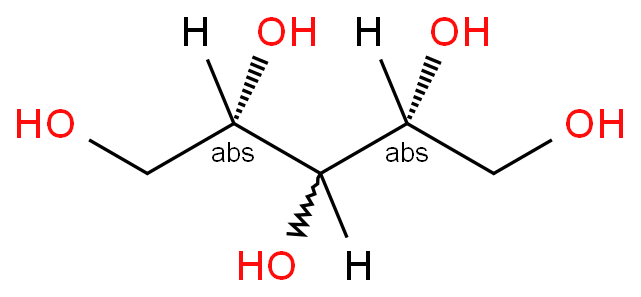
Xylitol, with the chemical formula C5H12O5 and CAS number 87-99-0, is also a sugar alcohol commonly used as a sugar substitute. Xylitol is naturally found in small amounts in fruits and vegetables, and it is well-known for its dental benefits, particularly in reducing the risk of cavities.
Erythritol and Xylitol are both sugar alcohols that serve as alternatives to sugar in food and beverages, but they differ in their chemical composition, taste profile, and health benefits. Erythritol is often praised for its low-calorie count and minimal digestive side effects, while Xylitol offers additional benefits for dental health, making it a popular choice in oral care products. While both are effective sweeteners, the differences in their impact on health and their applications make them suitable for different needs.


Erythritol and xylitol are both widely used as sugar substitutes in various products, but their specific applications differ based on their unique health benefits and properties. Below is a more detailed analysis of the uses of both sweeteners in different contexts.

Erythritol is frequently used in sugar-free, low-calorie, and ketogenic products due to its low calorie content. Unlike sugar, erythritol has a minimal impact on blood glucose levels, making it an ideal choice for people with diabetes or those following low-carb diets. It provides approximately 70% of the sweetness of sucrose but only contributes 0.24 kcal per gram, which is significantly lower than regular sugar.
Erythritol is often included in a variety of products, including sugar-free candies, soft drinks, baked goods, and even chewing gums. In addition to its sweetening power, erythritol is generally well tolerated by the digestive system compared to other sugar alcohols like sorbitol and maltitol, which can cause bloating and other gastrointestinal issues. Erythritol's ability to maintain sweetness without affecting blood sugar or causing digestive discomfort makes it a preferred choice for individuals managing calorie intake or those who want to avoid a blood sugar spike.
Xylitol is well known for its beneficial effects on dental health. Unlike other sweeteners, xylitol is a natural sugar alcohol that helps reduce the growth of harmful bacteria in the mouth that can lead to cavities. Because of this property, xylitol is commonly found in sugar-free gum, toothpaste, and mouthwashes, where it plays a crucial role in oral care.
Several studies have shown that chewing xylitol-sweetened gum can reduce the formation of plaque and cavities by inhibiting the growth of Streptococcus mutans, the bacteria responsible for tooth decay. This makes xylitol a popular choice in products designed to improve oral hygiene and prevent tooth decay. Xylitol is also recommended for people who are at risk for cavities, as it helps neutralize acids in the mouth and stimulate saliva production, which aids in remineralizing teeth.

When comparing erythritol vs xylitol for teeth health, xylitol stands out as the better option due to its proven effectiveness in reducing cavity formation and promoting oral hygiene. While both erythritol and xylitol are sugar alcohols that do not contribute to tooth decay, xylitol has the additional benefit of actively inhibiting the growth of harmful bacteria in the mouth.
Erythritol, on the other hand, is still a good option for maintaining dental health but does not have the same direct antibacterial effects as xylitol. As a result, while both sweeteners are beneficial in preventing tooth decay when used in sugar-free products, xylitol is the more targeted choice for improving overall dental health. Products containing xylitol, such as gum and toothpaste, are specifically designed to promote oral hygiene and prevent cavities more effectively than those containing erythritol.
Erythritol is also popular in the culinary world, particularly in low-carb and sugar-free baking. Because it has a similar texture to sugar, erythritol can be used as a direct replacement for sugar in many recipes. It can be incorporated into cakes, cookies, muffins, and other baked goods without significantly altering the flavor or texture. Additionally, erythritol can withstand high temperatures, making it suitable for cooking and baking processes that involve heat.
In cooking, erythritol is especially valuable for those following ketogenic or low-carb diets. Since it has no impact on blood sugar levels, it is often used in dishes where sugar would traditionally be used, such as in sauces or marinades. Its ability to mimic sugar's texture and sweetness while contributing negligible calories makes it a popular choice in a variety of recipes.
Xylitol is commonly used in personal care products, particularly in oral hygiene and skincare products. Its benefits extend beyond dental care to skincare, where it is used for its moisturizing and hydrating properties. Xylitol has been found to improve skin hydration by helping to retain moisture, making it a common ingredient in moisturizers, lip balms, and hand creams.
Xylitol's ability to balance the skin's moisture content without causing irritation makes it a great addition to products designed for sensitive skin. Furthermore, its natural origin and gentle properties have led to its inclusion in products intended for daily use, especially for those with dry or irritated skin. Xylitol is also sometimes added to lotions and creams for its ability to help improve skin elasticity and protect against environmental damage.
In conclusion, both erythritol and xylitol serve as effective sugar substitutes with distinct benefits depending on the application. While erythritol is particularly suitable for sugar-free and low-calorie food products, xylitol shines in its ability to support dental health, particularly in products designed to reduce cavities and promote oral hygiene. When considering erythritol vs xylitol for teeth, xylitol offers more targeted benefits for dental care. However, both sweeteners contribute to healthier alternatives to sugar, and the choice between them ultimately depends on individual needs and preferences.
| Side Effect |
Erythritol |
Xylitol |
|---|---|---|
| Digestive Issues | Generally well tolerated, but may cause mild bloating in some individuals | May cause digestive discomfort, including bloating or diarrhea, especially in large quantities |
| Allergic Reactions | Rare, but could include symptoms like rash or itching | Rare, but could cause skin irritation or itching |
| Toxicity to Pets | Considered safe for pets in small amounts | Toxic to dogs and other pets, causing a dangerous drop in blood sugar |
If you're looking to purchase these compounds, Guidechem is your go-to platform for sourcing high-quality raw materials and reliable suppliers. With our extensive global network, we connect you to a wide range of Erythritol suppliers and Xylitol suppliers, ensuring you find the right products to meet your specific research or production requirements. Whether you're in pharmaceuticals, food additives, or other industries, Guidechem simplifies the sourcing process, offering verified supplier information, competitive pricing, and seamless communication.
[2]Understanding Erythritol: Health Implications and Uses by D. H. Roberts.
[4]Dental Health Benefits of Xylitol: A Comprehensive Review in Journal of Dental Research.
|



 1YR
1YR


