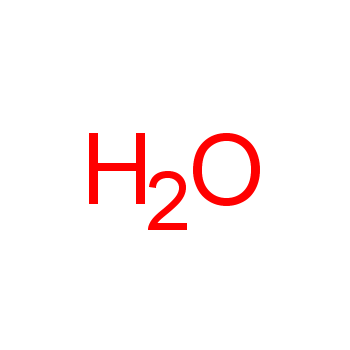
Hydrogen Water, with the chemical formula H2O and CAS number 7732-18-5, is water infused with molecular hydrogen (H2), which is known for its potential antioxidant properties and ability to reduce oxidative stress in the body.
Carbonated Water, also known as sparkling water, with the chemical formula H2O, is water that has been infused with carbon dioxide (CO2), creating carbonic acid (H2CO3), which produces bubbles in the water and gives it a fizzy texture.
Hydrogen Water and Carbonated Water are both types of water that are infused with gases, but they differ significantly in the type of gas used and the effects they have on the body. While hydrogen water is infused with molecular hydrogen, known for its antioxidant properties, carbonated water is enriched with carbon dioxide, which creates bubbles and gives the water a fizzy sensation.


Both hydrogen water and carbonated water involve dissolving gases in water, but the gases differ. Hydrogen water uses molecular hydrogen, which is linked to potential health benefits, while carbonated water uses carbon dioxide to create effervescence and enhance the sensory experience of the drink.
Both hydrogen water and carbonated water have distinct applications, although they are both consumed for hydration. Hydrogen water is often promoted for its potential antioxidant effects, while carbonated water is widely enjoyed for its fizzy texture and refreshing taste.

Hydrogen water is increasingly popular due to its potential health benefits. It is primarily consumed for its antioxidant properties, which are thought to help reduce oxidative stress in the body. Studies suggest that hydrogen water may help protect cells from damage caused by free radicals, potentially supporting overall health and slowing the aging process. The infusion of molecular hydrogen into the water is believed to neutralize harmful free radicals, offering benefits for individuals looking to support their body’s natural defense mechanisms against oxidative stress.
In addition to its antioxidant effects, hydrogen water is sometimes used as a potential therapeutic drink to help with conditions related to inflammation and metabolic stress. Some studies have suggested that regular consumption of hydrogen-infused water may support better hydration, enhance energy levels, and improve skin health by reducing the appearance of wrinkles and signs of aging.
Carbonated water is widely enjoyed for its fizzy texture, offering a refreshing alternative to still water. The carbonation process creates bubbles that give a unique effervescent sensation, making it a popular choice for mixing with beverages or drinking on its own. Many people find the slight fizz to be a more stimulating and enjoyable experience compared to plain water. Additionally, carbonation can have digestive benefits for some individuals. The bubbles may help alleviate bloating or promote burping, providing relief from discomfort or a sensation of fullness. This can make it a soothing option after meals.
Furthermore, carbonated water can encourage increased hydration. The effervescence tends to make the water more appealing, prompting some individuals to drink more throughout the day. For those who struggle with plain water, the light fizz of carbonated water can provide a more satisfying and refreshing alternative, helping to meet daily hydration goals.
In summary, hydrogen water and carbonated water serve different purposes. Hydrogen water is primarily consumed for its potential antioxidant properties and health benefits, particularly in reducing oxidative stress and supporting overall well-being. On the other hand, carbonated water is enjoyed for its refreshing, fizzy texture, often used to promote hydration and aid digestion. Both types of water offer unique benefits, and the choice between them depends on individual health goals and preferences.
| Side Effect |
Hydrogen Water |
Carbonated Water |
|---|---|---|
| Health Risks | Generally considered safe, but long-term health effects are still being researched | May cause bloating or gas in some individuals |
| Taste Preferences | May be less appealing to some due to the lack of taste | May not be suitable for people sensitive to carbonation |
| Stomach Irritation | Rare, but may cause mild discomfort in sensitive individuals | Can cause bloating, discomfort, or increased acidity in some people |
If you're looking to purchase these compounds, Guidechem is your go-to platform for sourcing high-quality raw materials and reliable suppliers. With our extensive global network, we connect you to a wide range of Water suppliers and Carbon Dioxide suppliers, ensuring you find the right products to meet your specific research or production requirements. Whether you're in pharmaceuticals, food additives, or other industries, Guidechem simplifies the sourcing process, offering verified supplier information, competitive pricing, and seamless communication.
[1]Hydrogen Water and Its Antioxidant Effects by K. S. Thompson.
[2]The Chemistry of Carbonated Water by L. B. Smith.
[4]The Effects of Carbonated Beverages on Digestion in Digestive Health Journal.
 |
|
 |



 1YR
1YR

