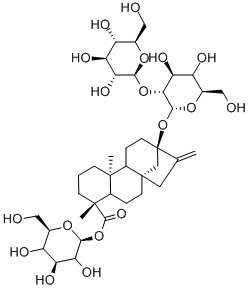
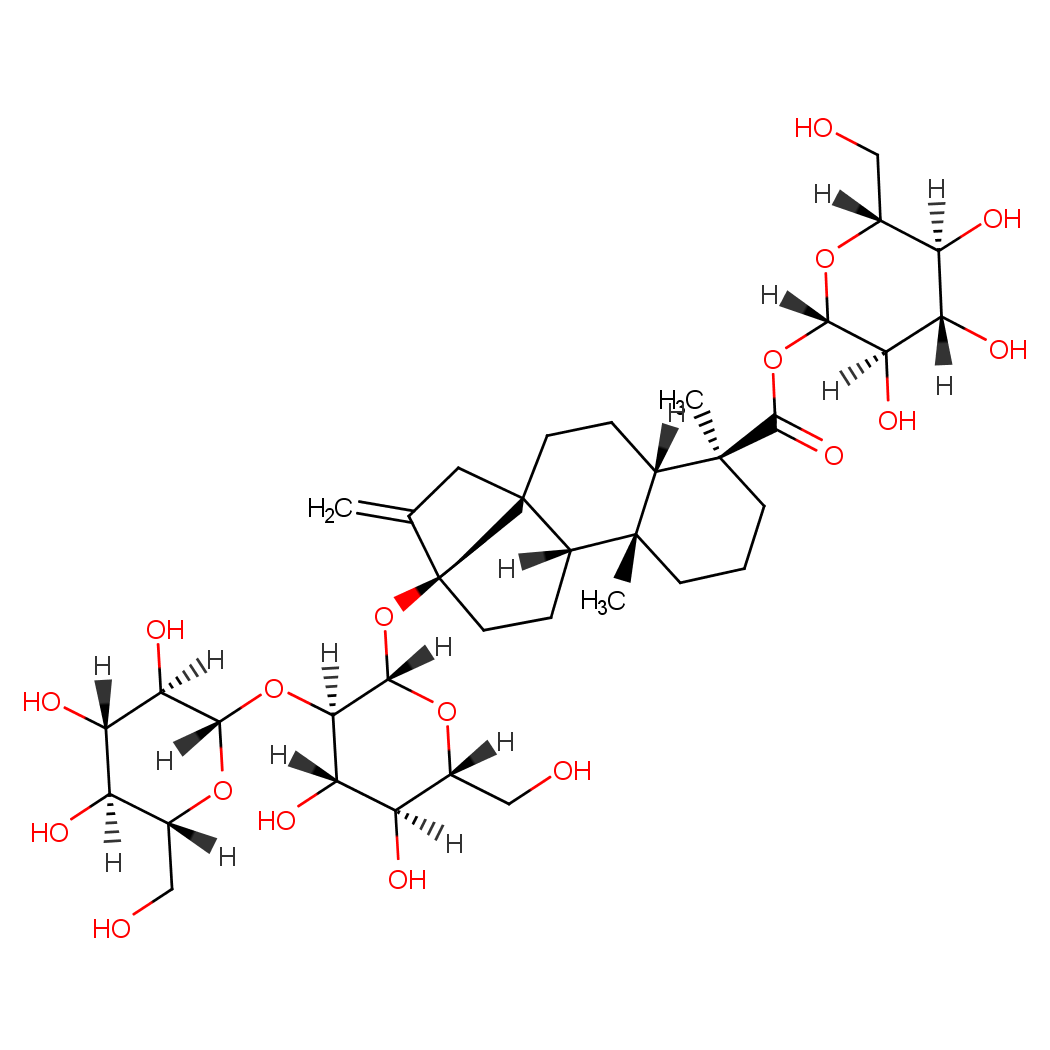
Steviol Glycosides, with the chemical formula C38H60O18 and CAS number 57817-89-7, are a group of compounds derived from the leaves of the Stevia rebaudiana plant. These compounds are responsible for the sweet taste of stevia, with steviol glycosides being processed and purified for use as natural sweeteners.
Stevia refers to the entire genus of plants, specifically Stevia rebaudiana, known for its sweet-tasting leaves. The leaves of stevia contain various steviol glycosides, which are extracted and purified to create sweeteners for food and beverages.
Steviol Glycosides and Stevia are related but distinct. While stevia refers to the entire plant or its crude extract, steviol glycosides are the specific compounds derived from stevia leaves that are used for sweetening. The main difference lies in the fact that steviol glycosides are isolated and processed for higher concentrations of sweetness, often in the form of powders or liquids, whereas stevia as a whole may include other plant material and may not be as sweet.
In the subtropical and tropical regions of South America and western North America, there are 240 distinct species of plants that belong to the genus called the "Stevia." The plant's leaves taste sweet, as the name suggests. Steviol glycosides, which are present in stevia leaf tissue, are what give the sweet taste and are most commonly used.
As mentioned before, the Stevia rebaudiana, also known as stevia, contains sweet compounds called steviol glycosides. They are likewise of natural origin and have no energy (0 kcal), no GI, and no effect on blood sugar. They are therefore a great option for lowering the sugar content of meals and beverages.
Steviol glycosides are allowed to be added to a wide range of foods and beverages. Several government agencies assessed a sizable toxicological database on steviol glycosides and concluded that there is no proof of genotoxicity and carcinogenicity.

Steviol glycosides are compounds derived from steviol, with glucose molecules attached through glycosidic bonding. Stevia refers to the entire family of these substances, with different types distinguished by the number and arrangement of glucose molecules. For example, Reb A has four glucose units, while Stevioside has three, and Reb M contains six. Research suggests that a higher number of glucose units leads to greater sweetness and less bitterness, which explains why Reb M has a more pleasant taste. Stevia is also believed to have potential benefits for blood sugar and insulin regulation, and may help control food intake.
Two key factors make steviol glycosides appealing as sweeteners: they don’t raise blood sugar levels or provide calories, and they are naturally derived from the stevia plant, similar to how sugar is sourced from beets or cane. This makes them a popular alternative to artificial sweeteners like aspartame, acesulfame K, and sucralose.
Steviol Glycosides and Stevia have found extensive use in a variety of products, most notably as sweeteners. However, the form in which they are used can vary, with steviol glycosides being more commonly isolated and concentrated for high-intensity sweetening. Let’s explore how both are applied in the food and beverage industry.

Steviol glycosides, particularly Rebaudioside A (Reb A) and Stevioside, are the primary compounds extracted from stevia and used for their sweetening properties. These compounds are often concentrated into a powdered or liquid form and added to a wide range of foods and beverages, including beverages, yogurts, baked goods, and even some pharmaceutical products. They are especially popular in sugar-free or reduced-sugar products due to their ability to provide intense sweetness without the calories or glycemic impact of sugar.
Steviol glycosides are also used in many diabetic-friendly products since they do not raise blood sugar levels, making them a viable option for people managing diabetes or those aiming for better blood sugar control. The lack of calories (0 kcal) makes them suitable for individuals on weight management plans as well.
Stevia leaf extract, which includes not only steviol glycosides but also other phytochemicals, is used in its more natural form in some products. This includes raw stevia leaf extract in teas, smoothies, and other products marketed as “natural” sweeteners. While stevia leaf extract is less refined than steviol glycosides, it still retains the sweet taste of the plant but may contain some other bitter-tasting compounds.
Consumers seeking unrefined sweetness often compare Stevia leaf extract vs Stevia in terms of taste and application. While both provide natural sweetness, Stevia leaf extract offers a broader spectrum of flavors, making it suitable for niche health products or minimally processed foods. This contrast highlights the versatility of Stevia in catering to different market segments.
When considering Rebaudioside A vs Stevia, the primary difference lies in their concentration and usage. Rebaudioside A is a purified compound extracted from the Stevia plant, renowned for its high sweetness intensity and minimal aftertaste. It is predominantly used in commercial food and beverage production where precision and consistency are critical. For example, Rebaudioside A is a key ingredient in diet sodas and sugar-free snacks that require a clean and potent sweetener.
On the other hand, Stevia leaf extract is favored in products targeting natural or organic markets. Its less refined nature aligns with the preferences of consumers seeking plant-based, minimally processed ingredients. This makes Stevia leaf extract a staple in herbal drinks, health bars, and other niche products that prioritize holistic appeal over taste refinement.
In summary, both steviol glycosides and stevia serve as excellent natural sweeteners, but they differ in their processing and applications. Steviol glycosides are extracted and concentrated for use in a wide variety of sugar-free or reduced-calorie products, while stevia leaf extract is used in more natural and organic products. Both offer significant benefits, including no calories and no impact on blood sugar, making them ideal choices for those looking to reduce sugar intake or manage diabetes.
| Side Effect |
Steviol Glycosides |
Stevia |
|---|---|---|
| Bitterness | Some forms of steviol glycosides, such as stevioside, may have a bitter aftertaste | May have a slightly bitter taste due to the presence of other compounds in the leaves |
| Taste Consistency | More consistent in taste due to higher purity and refinement | Taste may vary depending on the extract and concentration used |
| Health Perception | May be perceived as less natural due to processing | Considered more natural by consumers preferring whole plant-based products |
If you're looking to purchase these compounds, Guidechem is your go-to platform for sourcing high-quality raw materials and reliable suppliers. With our extensive global network, we connect you to a wide range of Steviol Glycosides suppliers, ensuring you find the right products to meet your specific research or production requirements. Whether you're in pharmaceuticals, food additives, or other industries, Guidechem simplifies the sourcing process, offering verified supplier information, competitive pricing, and seamless communication.
[1]Steviol Glycosides and Their Health Benefits by A. S. Patel.
[2]The Role of Stevia in Diabetic Diets in Journal of Nutrition.
[3]Steviol Glycosides and Their Impact on Blood Sugar by D. L. Thompson.
[4]Stevia: A Natural Sweetener with Health Benefits in Food Chemistry.
[5]Comparison of Steviol Glycosides and Other Sweeteners in International Journal of Food Science and Technology.
|



 4YRS
4YRS