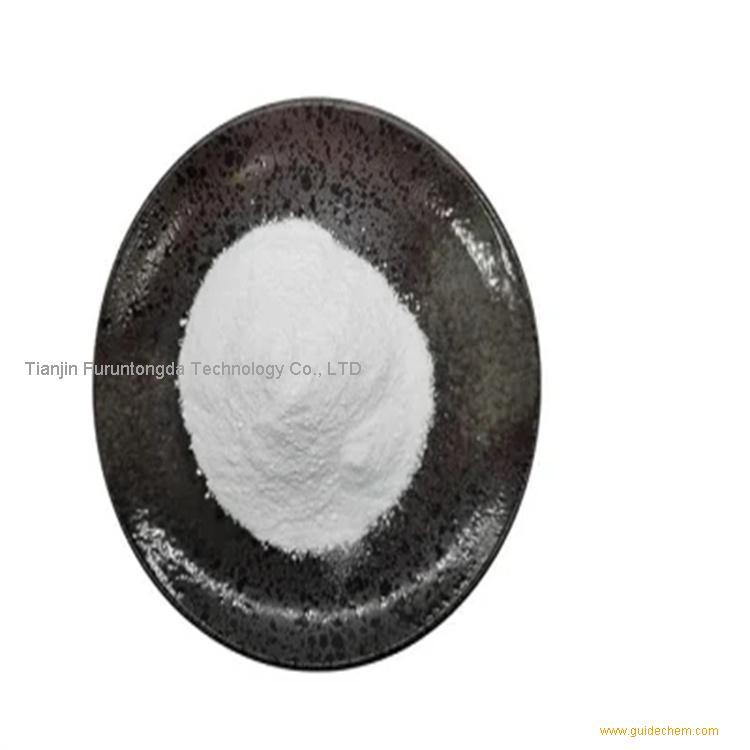
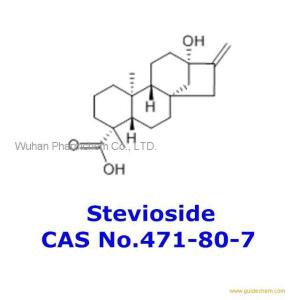
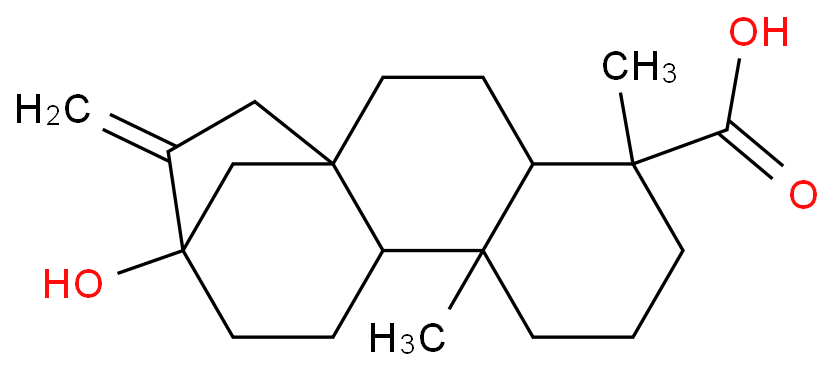
Steviol, with the chemical formula C20H30O3 and CAS number 471-80-7, is the primary diterpenoid compound found in the Stevia plant. It is a precursor to steviol glycosides, the sweet-tasting molecules commonly extracted for use as natural sweeteners.
Stevia, derived from the Stevia rebaudiana plant, refers to a collection of natural sweeteners that include steviol glycosides. These compounds are known for their intense sweetness and low-calorie content, making Stevia a popular alternative to sugar in food and beverages.
Steviol and Stevia are intricately connected, yet distinct in their composition and applications. Steviol serves as the backbone of Stevia's sweetening compounds, while Stevia represents the broader category of extracts used as sugar substitutes. The key difference lies in their chemical forms and uses—Steviol as a precursor molecule and Stevia as the end product.

While both compounds originate from the same plant, the synthesis of steviol is an intermediate step in the production of Stevia. The glycosylation of steviol is what imparts the characteristic sweetness associated with Stevia products.
Steviol and Stevia have distinct applications based on their chemical properties and functional roles. Steviol serves as a key intermediate in biochemical research and industrial production, while Stevia is a widely used natural sweetener in various industries.

Steviol, with the chemical formula C20H30O3 and CAS number 471-80-7, is the active compound formed after the metabolism of stevia glycosides, particularly stevioside and rebaudioside A. It is primarily recognized for its use as a non-caloric sweetener and its potential health benefits. Steviol is commonly used in dietary supplements and as a sugar substitute in food and beverages. Because it is a derivative of Stevia, it provides the same sweetness but with fewer calories, making it ideal for individuals seeking to manage their sugar intake or maintain a low-calorie diet.
Aside from its sweetening capabilities, Steviol has been studied for its potential effects on blood sugar levels. Some research suggests that Steviol may help in regulating blood glucose, making it a valuable option for those managing diabetes or insulin resistance. Furthermore, Steviol has antioxidant properties that could support overall health by reducing oxidative stress in the body.
Steviol is also becoming more common in the cosmetic industry, where it is included in products aimed at improving skin health. Its antioxidant properties may help in protecting the skin from environmental damage, reducing signs of aging, and promoting a healthier appearance.
Stevia's primary application lies in its use as a low-calorie sugar alternative. The glycosides derived from steviol are 200–300 times sweeter than sugar, making Stevia an ideal choice for reducing sugar content in products without compromising taste. Stevia is widely incorporated into beverages, desserts, and health foods, aligning with consumer trends toward healthier diets.
Moreover, Stevia offers additional benefits, such as a negligible impact on blood glucose levels, making it suitable for diabetic and weight-conscious individuals. Its versatility extends to culinary applications, where it is used in baking and cooking to replace sugar in recipes.
The applications of Steviol and Stevia overlap in many areas, particularly as sugar substitutes in food and beverages. However, Steviol is often more concentrated in its sweetening power due to its processed form, making it more potent as a low-calorie sweetener. Stevia, on the other hand, offers the advantage of being a complete natural alternative, with additional health benefits beyond sweetening.
In terms of health, Steviol may offer more specialized benefits related to blood sugar regulation and antioxidant support, while Stevia is widely recognized for its cardiovascular and antimicrobial benefits. Both compounds have their place in modern health and wellness, depending on the specific needs and preferences of individuals. Whether for dietary management or cosmetic use, both Steviol and Stevia are versatile compounds with growing popularity in the natural health and beauty markets.
| Aspect |
Steviol |
Stevia |
|---|---|---|
| Bitterness | Pronounced bitter aftertaste | Minimal, depending on glycoside composition |
| Processing | Requires further glycosylation | Ready for direct use |
| Cost | Lower due to its raw form | Higher due to processing |
In summary, Steviol and Stevia serve complementary roles. Steviol acts as a crucial precursor in the synthesis of natural sweeteners, while Stevia offers a ready-to-use, health-conscious alternative to sugar. Their differences highlight the importance of understanding their specific applications in research and industry.
If you're looking to purchase these compounds, Guidechem is your go-to platform for sourcing high-quality raw materials and reliable suppliers. With our extensive global network, we connect you to a wide range of Steviol suppliers, ensuring you find the right products to meet your specific research or production requirements. Whether you're in pharmaceuticals, food additives, or other industries, Guidechem simplifies the sourcing process, offering verified supplier information, competitive pricing, and seamless communication.
[1]Natural Sweeteners: From Plant to Product by L. D. Johnson.
[2]Biochemistry of Diterpenoids by M. K. Santos.
[3]Advances in Stevia Research in Journal of Plant Sciences.
[4]Food Chemistry and Nutrition by R. T. Williams.
[5]Applications of Natural Sweeteners in Food Technology Today.
|


 4YRS
4YRS