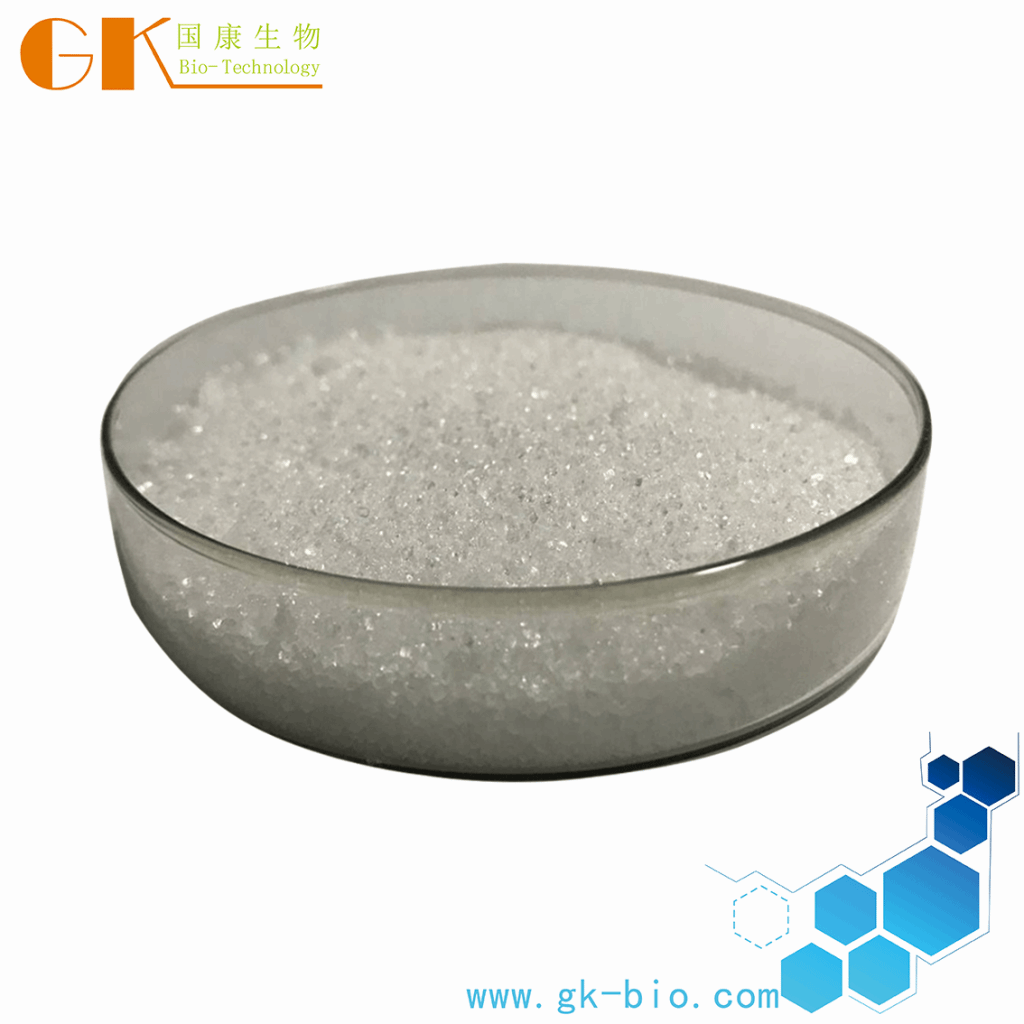
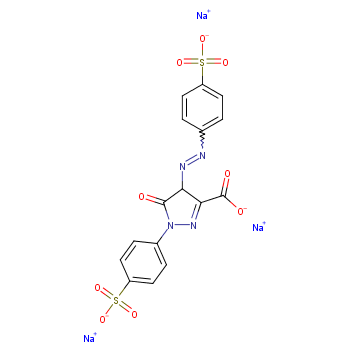
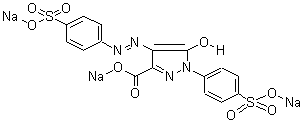
Yellow No. 5 (Tartrazine), with the chemical formula C16H9N4Na3O9S2 and CAS number 1934-21-0, is a widely used lemon-yellow food dye found in a variety of products, including candy, soft drinks, chips, popcorn, and cereals. Its bright color and stability make it a popular choice for enhancing the appearance of processed foods.
Yellow No. 6 (Sunset Yellow), with the chemical formula C16H10N2Na2O7S2 and CAS number 2783-94-0, is an orange-yellow dye used in products like candy, sauces, baked goods, and preserved fruits. Known for its versatility, it imparts a warm hue to various consumables, making them more visually appealing.
Yellow 5 and Yellow 6 are synthetic food colorings commonly used in the food industry. While they share similarities in their applications, differences in their chemical compositions and potential health impacts have sparked discussions about their safety and usage. The following sections delve into their synthesis, applications, and potential drawbacks.


Both compounds rely on azo coupling reactions to produce their characteristic bright colors. The primary difference lies in the specific aromatic and sulfonated intermediates used—Yellow 5 involves pyrazolone derivatives, while Yellow 6 incorporates naphthalene sulfonic acid derivatives. These variations in synthesis contribute to their distinct colors and applications.
Yellow 5 and Yellow 6 are extensively used as food colorants to enhance the visual appeal of products by providing vibrant yellow and orange hues. Their applications extend beyond food to cosmetics, pharmaceuticals, and textiles, where they are utilized for their stability, versatility, and ability to create eye-catching colors.

Yellow 5, also known as tartrazine, is a widely used synthetic dye in the food and beverage industry, valued for its bright lemon-yellow color and cost-effectiveness. In processed foods, it is a common ingredient in candies, soft drinks, chips, and breakfast cereals, where its vibrant hue enhances visual appeal and contributes to brand consistency. One of its key advantages is its stability under heat and light, ensuring that the color remains vivid even during manufacturing and extended shelf life.
In beverages, Yellow 5 creates the crisp, appealing yellow shades often associated with citrus-flavored drinks, adding to the perception of freshness and flavor intensity. In savory snacks like chips, crackers, and popcorn, its use is particularly strategic; it mimics the warm tones of natural coloring agents like turmeric or saffron without the cost or variability of natural sources. This adaptability has made Yellow 5 a staple for manufacturers aiming to achieve consistent, vibrant coloring in a wide range of products.
Yellow 6, also known as sunset yellow, is widely used in the food industry to impart an appealing orange-yellow tint to various products. It is a common additive in candy, sauces, and baked goods, offering vibrant coloration that enhances the visual appeal of these items. One of its key advantages is its compatibility with high-temperature processes, making it particularly suitable for baked and fried goods where stability under heat is essential. Additionally, Yellow 6 is often used in preserved fruits, where it helps restore or intensify their natural hues, making them more visually attractive to consumers.
Beyond the food sector, Yellow 6 has significant applications in cosmetics and personal care products. Its distinctive orange shade is a popular choice for lipsticks, nail polishes, and shampoos, where it adds vibrancy and aesthetic appeal. In the pharmaceutical industry, Yellow 6 serves as a coloring agent for tablets and capsules, providing a consistent and professional appearance. Its ability to improve the visual characteristics of products across multiple industries underscores its versatility and widespread use.
| Potential Risks |
Yellow 5 |
Yellow 6 |
|---|---|---|
| Allergic Reactions | May cause hypersensitivity reactions, particularly in individuals with asthma or aspirin sensitivity | Can trigger allergic responses such as skin rashes and swelling |
| Carcinogenic Concerns | Studies suggest potential DNA damage and mutagenic effects | Associated with adrenal tumors in animal studies, though findings are contested |
| Contaminants | May include trace contaminants with toxicological implications | Occasionally contains harmful byproducts, posing additional risks |
In conclusion, Yellow 5 and Yellow 6 serve critical roles in various industries as effective coloring agents. While they enhance product appeal, concerns regarding their safety and potential health impacts warrant cautious use. Understanding their differences helps consumers and manufacturers make informed decisions.
If you're looking to purchase these compounds, Guidechem is your go-to platform for sourcing high-quality raw materials and reliable suppliers. With our extensive global network, we connect you to a wide range of Yellow 5 suppliers and Yellow 6 suppliers, ensuring you find the right products to meet your specific research or production requirements. Whether you're in pharmaceuticals, food additives, or other industries, Guidechem simplifies the sourcing process, offering verified supplier information, competitive pricing, and seamless communication.
[1]Food Dyes and Additives: Safety Profiles by R. S. Johnson.
[2]Colorants in Processed Foods by M. T. Anderson.
[3]FDA Evaluations on Food Dyes in Journal of Regulatory Science.
[4]Health Impacts of Synthetic Colorants in Journal of Food Chemistry.
|


 15YRS
15YRS