
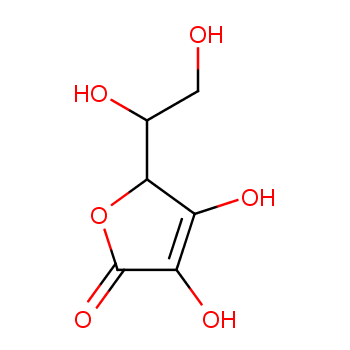
Ascorbic acid, a water-soluble dietary supplement, is widely consumed by humans, surpassing the usage of any other supplement. The term "ascorbic" conveys its anti-scurvy properties, indicating its efficacy in combating this disease. Vitamin C, the l-enantiomer of ascorbic acid, is crucial for preventing collagen synthesis deficiency in humans, particularly in the fibrous connective tissues of bones, tendons, and ligaments. Scurvy, resulting from a lack of vitamin C, manifests as tender joints, weakness, and ruptured blood vessels, primarily affecting sailors during long sea voyages.
Historically, scurvy has been identified in human remains from ancient civilizations, with its prevalence noted among soldiers, Crusaders, and settlers during winter months. However, it is most notably associated with sailors undertaking prolonged sea voyages, where a limited variety of staple foods lacked the essential vitamin C. For instance, approximately 100 out of 160 crew members who sailed around the Cape of Good Hope with Vasco da Gama are believed to have succumbed to scurvy.
The first comprehensive study on scurvy was conducted by Scottish naval surgeon James Lind (1716–1794) in response to the high mortality rate among British sailors. Lind's 1747 Treatise on Scurvy demonstrated the effectiveness of citrus fruit in treating the disease. Despite Lind's findings, scurvy persisted due to resistance to dietary changes among sailors and the challenges of providing necessary foods.
In the early 20th century, the discovery of essential vitamins and their connection to deficiency diseases led to the isolation of ascorbic acid between 1928 and 1933. Albert Szent-Gy?rgyi and Charles G. King played pivotal roles in this research, with Szent-Gy?rgyi eventually receiving the Nobel Prize in medicine or physiology in 1937. The synthesis of vitamin C, determined by Norman Haworth and Thadeus Reichstein in 1934, marked a significant milestone, making it the first vitamin to be produced synthetically. Haworth also received the Nobel Prize in chemistry in 1937 for this groundbreaking work.
Until the 20th century, the prevailing belief was that scurvy exclusively affected humans. While most plants and animals possess the capacity to synthesize ascorbic acid, it was later determined that a select group of animals, including primates, guinea pigs, the Indian fruit bat, and trout, lack this ability. In vertebrates, the synthesis of ascorbic acid occurs in the liver through a four-step process using glucose. Humans, however, lack the enzyme necessary for the final step, specifically gulonolactone oxidase.
The production of ascorbic acid involves the Reichstein process, which has been the industry standard since the 1930s. This process begins with fermentation followed by chemical synthesis. The initial step entails the reduction of D-glucose into D-sorbitol at high temperatures. Subsequent bacterial fermentation transforms D-sorbitol into L-sorbose, which is then reacted with acetone in the presence of concentrated sulfuric acid, resulting in diacetone-L-sorbose. This compound is oxidized with chlorine and sodium hydroxide to yield di-acetone-ketogulonic acid (DAKS). DAKS is esterified with an acid catalyst and organics to produce gulonic acid methylester. The final product, crude ascorbic acid, is heated, reacted with alcohol, and subsequently recrystallized to enhance its purity. Although the Reichstein process, developed over 70 years ago, has undergone numerous modifications, a two-stage fermentation process introduced in China during the 1960s, known as the KGA method, utilizes a second fermentation stage to produce a different intermediate called KGA (2-keto-L-gulonic acid), which is then converted into ascorbic acid. This method minimizes the use of hazardous chemicals and reduces energy consumption in the conversion of glucose to ascorbic acid. Global annual production of ascorbic acid stands at approximately 125,000 tons. Ascorbates, the sodium, potassium, and calcium salts of ascorbic acid, are employed as food preservatives and vitamin supplements. Due to its water-solubility and sensitivity to light, heat, and air, ascorbic acid is excreted from the body readily. To impart fat solubility, esterification can be employed. Ascorbyl palmitate and ascorbic stearate, esters of ascorbic acid with acids such as palmitic and stearic acids, respectively, are utilized as antioxidants in food, pharmaceuticals, and cosmetics.
Vitamin C, as previously mentioned, plays a crucial role in collagen production and is also essential for the synthesis of certain hormones like dopamine and adrenaline. Additionally, it contributes to the metabolism of select amino acids, aids in cell protection from free radicals, facilitates iron absorption, and supports various metabolic processes. While the precise dietary requirement for vitamin C remains unclear, the U.S. National Academy of Science has established a recommended dietary allowance (RDA) of 60 mg per day. Some individuals, including Linus Pauling in the 1980s, advocate for higher dosages, such as 10,000 mg per day, to address the common cold and various other health issues. Table provides information on the vitamin C content in common foods.

It is noteworthy that significant amounts of vitamin C are lost during the cooking of fruits and vegetables. Heat processing, as seen in canning and preserving, leads to the degradation of vitamin C in food.
Richard L. Myers (2009). The 100 Most Important Chemical Compounds: A Reference Guide. Greenwood Publishing Group. October 1, 2009. https://doi.org/10.1021/ed086p1182
 |
 |
|



 1YR
1YR

