In 1987, Swedish pathologist Westermark P. was, as usual, observing pancreatic tissue slices from diabetic patients under the microscope. Suddenly, his pupils contracted slightly—around the insulin β-cells, there were large amounts of amyloid deposits never seen before. This discovery, like a stone thrown into a lake, created ripples that would last for thirty years. At the same time, New Zealand scholar Cooper G. also discovered the same mysterious substance in the pancreas of type 2 diabetes patients, naming it "Amylin."
At that time in San Diego, biotechnology pioneer Howard Greene was leading the startup company Amylin Pharmaceuticals, attempting to turn this 37-amino acid peptide into a weapon for treating diabetes. They could not have imagined that this target would spark a global competition among multinational pharmaceutical companies forty years later.
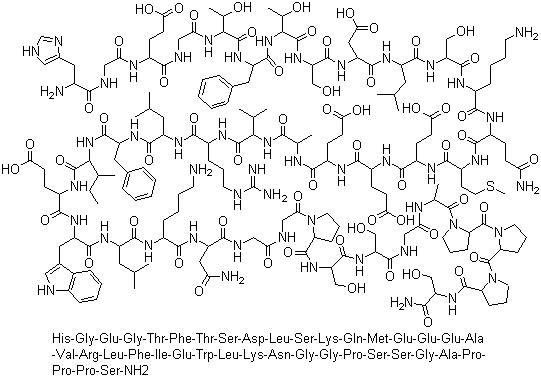
Dr. John Eng from Bronx Hospital in New York stared at the petri dish, holding a test tube with Exendin-4 extracted from the saliva of the Gila monster. This peptide, capable of surviving for weeks inside the lizard, was highly similar to human GLP-1! When he presented this discovery at the American Diabetes Association annual meeting, he was immediately surrounded by Amylin's scientific team—this nearly bankrupt team quickly signed a licensing agreement in a desperate move.
The drama of history unfolded at that moment: The team originally researching Amylin had shifted their focus due to the unexpected discovery of lizard venom and developed the world's first GLP-1 analog, Exenatide. This was a perfect metaphor for scientific exploration—true breakthroughs often arise outside the predefined paths. Later, Amylin Pharmaceuticals, in collaboration with Eli Lilly, developed Exenatide, which was approved by the U.S. FDA in April 2005 under the brand name Byetta.

In the corridors of the FDA building in San Francisco, Joseph Cook gripped a crumpled speech. The newly appointed CEO of Amylin had just witnessed the company’s stock price plummet from $10 to $0.5 in a hellish journey. In the conference room, experts from the Endocrinology Advisory Committee were fiercely debating: "Why did the 12-month efficacy data of Pramlintide suddenly disappear?"
When the committee eventually recommended approval by a vote of 6 to 5, the Golden Gate Bridge outside the glass wall was clearly visible. This narrow victory not only revived Amylin but also validated the clinical value of Amylin’s target—it could delay gastric emptying and suppress appetite, features that would become the gold standard for weight-loss drugs twenty years later.

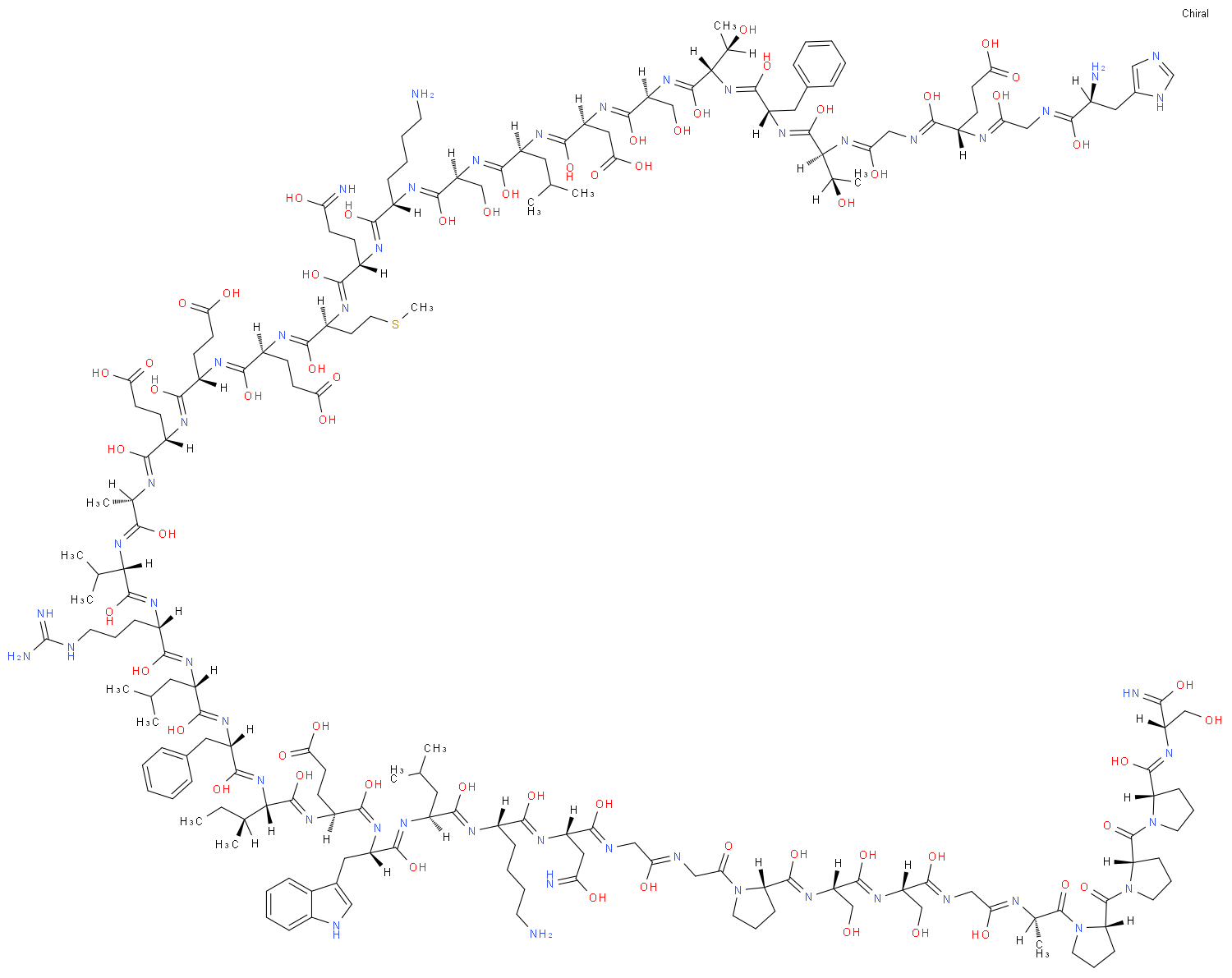
The morning fog had not yet dissipated over Copenhagen Harbor, but the laboratory at Zealand Pharma was buzzing with activity. This Danish small company, which had once laid off 90% of its workforce, now held the game-changing card—long-acting Amylin analog Petrelintide, which could activate three Amylin receptor subtypes simultaneously, resulting in less muscle loss than GLP-1 drugs for weight loss. On March 12, 2025, the news came that Roche had paid a $1.65 billion upfront payment, and the team cheered.
Just ten days earlier, AbbVie had announced a $2.2 billion partnership with Gubra. The combined $7.5 billion bet from these two giants heated up the Amylin race. Meanwhile, the diabetes and weight-loss giant Novo Nordisk had already placed heavy investments—they had developed Cagrilintide/Semaglutide combination therapy, which, in clinical trials, led to an average weight loss of 24.8 kg, a number that hung like the Sword of Damocles over all competitors.
In the latest humanized mouse experiments, the oral Amylin/GLP-1 dual-target agonist showed an astonishing ability to cross the blood-brain barrier. This means that future weight-loss drugs may directly act on the hypothalamic feeding center, achieving more precise metabolic regulation. Roche’s collaboration with Zealand on the CT-388/Petrelintide combination therapy aims to replicate the success of Novo Nordisk's CagriSema, with a dual mechanism breaking through the efficacy ceiling.
When we look back at Professor Westermark’s discovery under the microscope, it becomes clear: the greatest breakthroughs in scientific history often begin with researchers' "pointless" observations of abnormal phenomena. From lizard venom to a multibillion-dollar market, the story of Amylin validates the ultimate appeal of new drug development—at the boundaries between the known and the unknown, there is always the potential to change the fate of humanity.
|



 1YR
1YR