The National Academy of Sciences (NAS) of the United States, established in 1863, is one of the highest-level academic institutions in the United States and the world. Approximately 500 living and deceased NAS members have won Nobel Prizes. Its journal, Proceedings of the National Academy of Sciences (PNAS), established in 1914, is one of the most important international academic journals for publishing original research findings.

On April 30, 2025 (local time), the U.S. National Academy of Sciences announced its newly elected members and foreign members. A total of 120 individuals were elected as members, and 30 were elected as foreign members, in recognition of their outstanding and sustained achievements in original research.
Previous Chinese scientists, such as Yuan Longping, Zhang Qifa, Li Jiayang, Lu Yuming, Shi Yigong, Yang Huanming, Gao Fu, Yan Ning, Cao Xiaofeng, Kang Le, Wang Yifang, and others, have been elected as foreign members of the U.S. National Academy of Sciences.
This time, Nobel laureate Professor Tu Youyou from the China Academy of Chinese Medical Sciences and the Qinghao Research Center was elected as a foreign member.

Tu Youyou, born on December 30, 1930, won the Nobel Prize in Physiology or Medicine in 2015 for her discovery that artemisinin effectively reduces the mortality rate of malaria patients. She became the first native Chinese scientist to win a Nobel science prize and the first Chinese scientist to win the Nobel Prize in Physiology or Medicine.
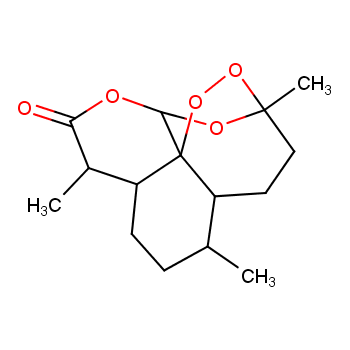
The new anti-malarial drug artemisinin, discovered by Tu, cured many patients in China in the 1980s. The World Health Organization recommends artemisinin-based combination therapies as a first-line treatment for malaria, saving millions of lives. This has reduced the malaria death rate in Africa by 66% and the death rate of children under 5 from malaria by 71%.

Other Chinese scientists elected as foreign members this time include: Zhang Fulin (Professor of Neurosurgery at the Department of Neurosurgery, University of California, San Francisco), Fan Shanhu (Professor of Engineering at Stanford University), Jin Hailing (Professor of Microbiology and Plant Pathology at the University of California, Riverside), Lin Fanghua (New York University Courant Institute of Mathematical Sciences), Liu Jianguo (Professor of Fisheries and Wildlife at Michigan State University), Liu Jun (Professor of Statistics at Harvard University), Shan Shuou (Professor of Chemistry and Chemical Engineering at California Institute of Technology), Shen Kang (Professor of Biology and Pathology at Stanford University), and Zhou Zhongzhong (Professor of Microbiology and Plant Biology at the University of Oklahoma).
|



 4YRS
4YRS


