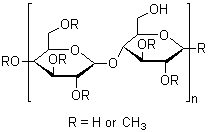
Methyl cellulose plays a crucial role as a food additive in the food industry. However, for the average consumer, what methyl cellulose is made from may not be well known. This article delves into the preparation methods of methyl cellulose, guiding readers through the process of how this food additive is manufactured. By understanding the preparation methods of methyl cellulose, we can better grasp its properties and applications, providing more reference and guidance for choosing healthy and safe food products.

Methyl cellulose is a derivative of cellulose, which is the main component of plant cell walls. Is methyl cellulose synthetic or natural? While cellulose itself is a natural polymer, methyl cellulose can be classified as semi-synthetic. This is because methyl cellulose is produced by treating cellulose with a chemical methylation agent. Wood pulp is a common source of cellulose, a natural material used in methyl cellulose production. Cotton, another natural source of cellulose, can also be utilized.
Methyl cellulose does not have natural sources. Although it originates from cellulose found in plants and vegetables, its development process is not entirely natural. So what are the raw materials for methyl cellulose? Methyl cellulose is a semi-synthetic compound, meaning it originates from natural sources (cellulose) but undergoes chemical reactions.
Cellulose, the raw material for methyl cellulose, is abundant in plants. Here are some common cellulose plant sources:
Where is methyl cellulose made from? Methyl cellulose is typically produced using methods similar to those used to produce other cellulose ethers (such as carboxymethyl cellulose). Specifically, the production method for methyl cellulose involves immersing the raw cellulose material (such as pulp) in an aqueous alkaline solution containing a large amount of water and excess alkali metal hydroxide (such as sodium hydroxide) to activate the cellulose in a step known as cellulose alkalization or mercerization to produce alkali cellulose, then reacting the obtained alkali cellulose with methyl chloride as the etherification agent under pulp conditions, and then removing by-products such as neutral salts by washing, drying, and pulverizing the obtained product.
In the cellulose alkalization step, the alkali cellulose obtained by cellulose alkalization treatment must undergo a complex procedure, such as washing by filtration and squeezing to remove excess alkali or water. It is believed that most of the hydroxyl groups contained in the cellulose molecule are converted into alcoholate salts in the obtained alkali cellulose. Indeed, the amount of alkali contained in the alkali cellulose is usually about 1 to about 3 mol per glucose unit per molecule, at least 1 mol. In addition, alkali cellulose contains residual water equal to or greater than the amount of cellulose. Therefore, when alkali cellulose obtained in this way is allowed to react with an etherification agent, water can also react with the etherification agent, resulting not only in the production of a large amount of neutral salt but also tending to produce those compounds derived from its hydrate. In addition, in the above reaction, since it is necessary for solid cellulose to effectively contact the etherification agent, the alkali cellulose is usually dispersed in various polar solvents and reacted under conditions of well-dispersed pulp. Examples of added polar solvents include low-reactive lower glycol or tertiary alcohol solvents such as isopropanol, ether, and ketone.
The specific steps of the production method for methyl cellulose described in US20100298555A1 are as follows:
(1) Effects on Digestion
Methyl cellulose is a fiber used as a food additive. It acts as a bulking agent, absorbing water and increasing the volume of stool. This can promote regularity and softness of stools, potentially aiding digestion. However, there is some controversy regarding how methyl cellulose affects nutrient absorption. Some studies suggest that high doses may hinder nutrient absorption by binding with nutrients in the intestines. Further research is needed to elucidate the optimal dosage beneficial to the digestive system.
(2) Safety Precautions and Regulatory Approval
Methyl cellulose is generally considered safe for most people when consumed in moderation. It is also FDA-approved as a food additive. Like any fiber supplement, it is recommended to gradually increase intake to avoid bloating or gas. If you experience any discomfort, consult a healthcare professional.
Although methyl cellulose originates from nature, it is actually a synthetic product.
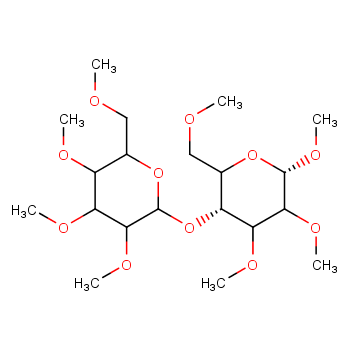
The building block of methyl cellulose, cellulose, is a natural polysaccharide found in plant cell walls. It is abundant in wood, cotton, and many fruits and vegetables. Methyl cellulose itself does not exist in nature. It is produced through a chemical process where cellulose reacts with methyl chloride, converting some hydroxyl groups in cellulose into methoxy groups. This alters the properties of the molecule, making it more soluble in water, serving as a thickening agent.
While some manufacturers may emphasize its natural connection on labels since methyl cellulose originates from natural cellulose, the production process involves chemical modification, making it a synthetic product. For full transparency, it is important to look beyond marketing terms and check the ingredient list. If "methyl cellulose" is listed, it is purely artificially synthesized, unrelated to its natural cellulose source.
Methyl cellulose, while generally a sustainable material, may have environmental downsides in its production process.
6.1 Sustainable Practices in Methyl Cellulose Manufacturing
(1) Cellulose Sourcing
Ideally, cellulose used for methyl cellulose comes from sustainably managed forests or recycled wood pulp, reducing deforestation and habitat loss.
(2) Alternative Sources
Research is exploring the use of agricultural residues such as wheat straw or cotton waste to reduce dependence on primary wood sources.
(3) Green Chemistry
Utilizing solvent-free reactions and technologies like renewable energy can reduce energy consumption and harmful emissions.
(4) Waste Reduction
Implementing effective recycling and purification processes to minimize chemical waste generation.
6.2 Eco-Friendly Alternatives
Researchers are exploring the use of bio-based feedstocks, such as cellulose from algae or microbial sources, which can significantly reduce environmental impact.
Through this article's introduction, we have gained a deeper understanding of the preparation methods of methyl cellulose. Methyl cellulose is an important food additive, and its production process involves the chemical modification and modification of cellulose to achieve specific functions and applications. Understanding the preparation methods of methyl cellulose not only helps us better understand its role in the food industry but also assists us in selecting safer, healthier food products. In the future development of the food industry, more attention needs to be paid to the production process and quality control of food additives to ensure consumer health and safety.
References:
[1] US20100298555A1
[2] Wikipedia - Methyl cellulose
[3] Springer Link - "Preparation and characterization of methyl cellulose–dendrimer hybrid materials for controlled release of metronidazole"
[4] Abbots - "The Truth Behind Methylcellulose"
 |
 |
|



 4YRS
4YRS