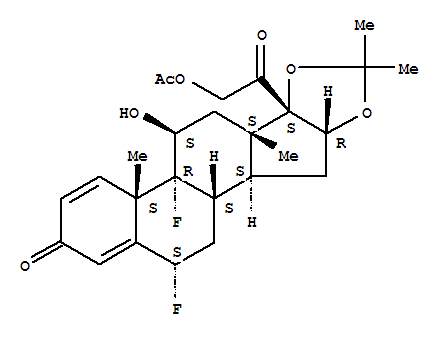
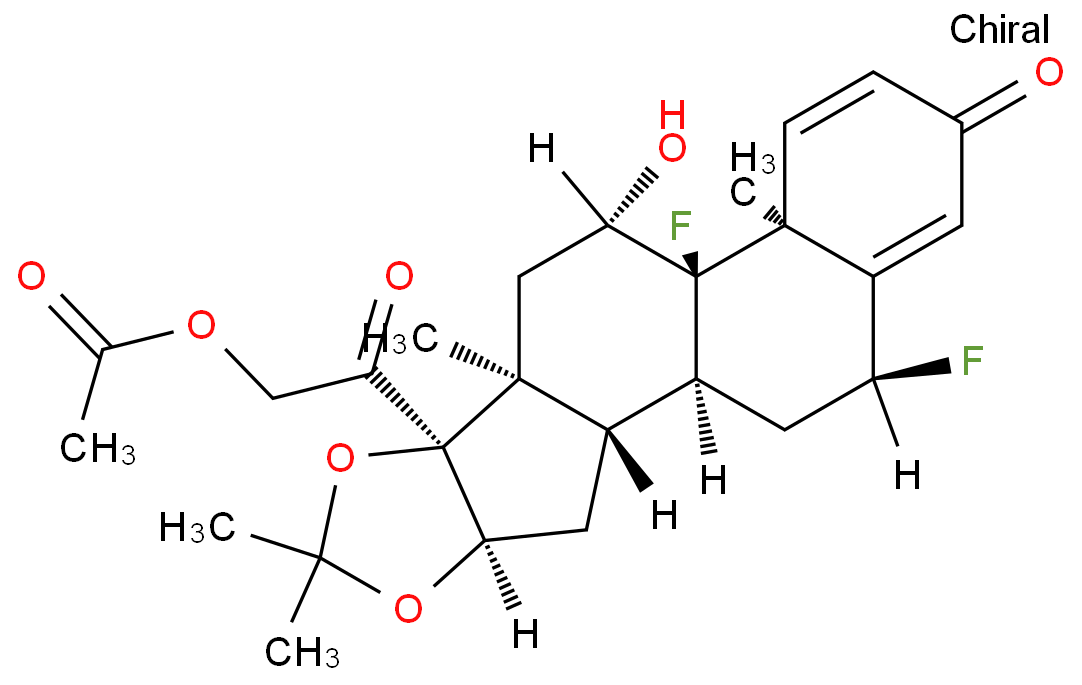
Fluocinonide is a commonly used topical corticosteroid medication for treating skin inflammation and allergic reactions. Like all medications, fluocinonide has an expiration date, which refers to the period during which the medication can maintain its stability and effectiveness. Once expired, fluocinonide may lose its potency and may even undergo chemical changes, compromising its safety and efficacy. Therefore, understanding the expiration date of fluocinonide and the correct storage methods is crucial to ensuring its therapeutic effects and safe use. This article will explore the issue of fluocinonide expiration and provide relevant usage and storage recommendations. Does Fluocinonide Expire?
Fluocinonide is a topical corticosteroid known for its significant efficacy and minimal side effects. It is applied locally to treat inflammation, itching, and allergic reactions on the skin and mucous membranes. It has potent anti-inflammatory properties, 40 times that of hydrocortisone, and stronger sodium-retaining effects, 125 times that of hydrocortisone. It is currently only used topically and is effective for various skin conditions such as eczema, neurodermatitis, dermatitis, psoriasis, lupus erythematosus, lichen planus, and otitis externa. Does Fluocinonide Expire?
Several factors influence the expiration date of topical corticosteroid medication fluocinonide:
Storage Conditions: Fluocinonide should be stored according to the manufacturer's instructions, typically at room temperature, away from direct sunlight and moisture. Extreme temperatures or humidity can degrade the medication and shorten its shelf life.
Formulation: Specific ingredients in creams, ointments, or lotions can affect their stability over time.
Container: The type of container can also play a role. Medications stored in multi-dose containers (such as tubes or jars) may begin to degrade once opened due to exposure to air or contamination.
The expiration date of medication is more than just a suggestion. It indicates the time frame during which the drug manufacturer guarantees the medication to remain safe and effective. This is important because:
Loss of Potency: Over time, medications may lose their potency, meaning they become less effective in treating the intended condition.
Ingredient Breakdown: Medications can break down into inactive or even harmful substances over time.
Increased Risk of Side Effects: Expired medications may be more likely to cause side effects such as skin irritation, allergic reactions, or even serious health problems.
Like most medications, the shelf life of fluocinonide products depends on the specific formulation and storage conditions.
Commercially available fluocinonide products typically have a shelf life of 24 months from the date of manufacture, as indicated on the drug label.
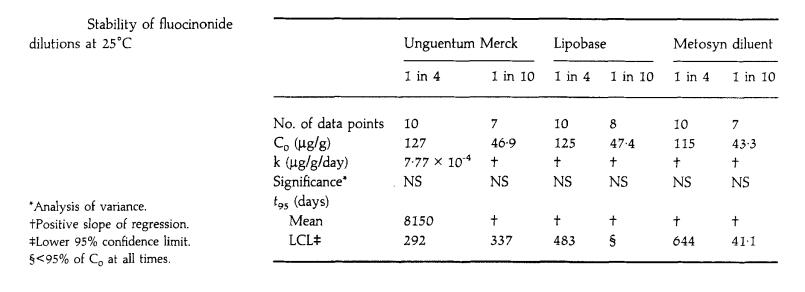
A study by A R Barnes et al. investigated the chemical stability of fluocinonide acetate cream and fluocinonide cream diluted in moisturizers. Fluocinonide acetate cream was mixed with Ungeum and Lipobase from Merck in a 1:4 ratio. Fluocinonide cream was also studied in these matrices and diluted with Metosyn diluent at ratios of 1:4 and 1:10. Regression analysis gave a 5% degradation time of 12 weeks for fluocinonide acetate in Ungeum and Lipobase at a 1:4 dilution. Additional shelf life was given based on the lower 95% confidence limit of each regression line, with one month for Ungeum diluent and two months for Lipobase diluent. Fluocinonide solution was more stable than the corresponding fluocinonide acetate solution, with no degradation detected during the study. The matrix had no significant effect on stability. Based on the lower 95% confidence limit of the regression data, shelf lives of over six months were obtained for all studies of fluocinonide 1:4 solution and Ungeum 1:10 solution. However, due to large variability in the analysis results, the shelf life of fluocinonide concentration in Metosyn diluent could only be guaranteed for 6 weeks. Due to the lack of data, it was not possible to determine the shelf life of fluocinonide 1/10 in Lipobase based on the lower 95% confidence limit of the regression analysis.
Manufacturers conduct stability testing to determine the expiration date of the medication. This involves storing the medication under various conditions (temperature, humidity, light) for a period of time and monitoring its potency and physical properties.
Based on stability testing data, manufacturers determine the expiration date of the medication to ensure its safety and effectiveness throughout the entire shelf life. These tests ensure the medication maintains its:
Potency: The medication maintains the appropriate level of active ingredients to be effective.
Purity: No harmful contaminants or degradation products form over time.
Physical Properties: The medication maintains its consistency, color, and other physical properties for proper application.
The medication should be kept out of reach of children. Store at room temperature between 15 and 30 degrees Celsius (59 and 86 degrees Fahrenheit). Avoid excessive heat above 30 degrees Celsius (86 degrees Fahrenheit). Do not freeze. Dispose of any unused medication after it expires.
Like all medications, fluocinonide does expire. The expiration date is typically printed on the tube or packaging. Using expired fluocinonide may be ineffective and could potentially cause irritation. Always check the expiration date before using fluocinonide and dispose of expired medication properly.
Effective topical steroids such as clobetasol propionate, fluocinonide, and triamcinolone acetonide have been widely used to treat severe oral mucosal lesions. Many reports suggest that these steroids are effective in treating oral lesions with minimal side effects. Fluocinonide 0.1% strength is considered a very potent corticosteroid, but there are several other topical steroids that are even stronger. The 0.05% strength of fluocinonide is considered a moderately potent steroid.
Fluocinonide is not an antifungal medication. It is a corticosteroid. Depending on your individual skin condition, you may be prescribed fluocinonide along with an antifungal medication. If you suspect a fungal infection, it's best to consult your doctor for proper diagnosis and treatment.
Check the expiration date printed on the tube or container. This date indicates the optimal and safest time frame for the medication's use. Do not use fluocinonide after it has expired.
Inspect the cream or ointment for any discoloration or changes in consistency. It should have the color specified on the label and have a smooth texture.
Fluocinonide typically has a mild odor, but if you notice a strong or unpleasant smell, it may be a sign of spoilage.
Do not flush expired fluocinonide down the toilet or throw it in the trash as it can contaminate the environment. Here are suggestions for handling expired fluocinonide:
(1) Mixing: In most areas, household hazardous waste programs accept expired medications. Inquire with local authorities or pharmacies for specific instructions.
(2) Original Container: If possible, place the mixture in the original container.
(3) Safe Disposal: Take the sealed container to your designated hazardous waste disposal site.
In conclusion, fluocinonide does expire. Expired fluocinonide may lose its original efficacy and may even undergo chemical changes, compromising its safety and effectiveness. Therefore, it is essential to pay attention to the expiration date of fluocinonide and follow the correct storage methods to ensure optimal medication efficacy and safe use. If you have any questions or concerns about the expiration date or storage conditions of your medication, consult your doctor or pharmacist for professional guidance and advice.
[1] https://www.ncbi.nlm.nih.gov/pmc/articles/PMC5708326/
[2] https://www.mayoclinic.org/drugs-supplements/fluocinonide-topical-application-route/proper-use/drg-20073636
[3] https://www.goodrx.com/fluocinonide/what-is
[4] Li Hui. Research on the process of bortezomib and fluocinolone acetonide[D]. East China University of Science and Technology, 2014.
[5] https://xiromed.com/usa/products/fluocinonide-ointment-0-05/
 |
 |
 |


 2YRS
2YRS