Ethynodiol diacetate and Ethinyl estradiol are two common active ingredients found in oral contraceptives, playing significant roles in birth control. Ethynodiol diacetate, a synthetic estrogen, inhibits ovulation and alters cervical mucus, mimicking the natural menstrual cycle to prevent pregnancy. Ethinyl estradiol, a synthetic estrogen analogue, is often combined with progestin in oral contraceptives to suppress the generation of sex hormones, thus preventing ovulation. This article explores the characteristics, mechanisms of action, and importance of these two components in birth control, aiming to provide readers with a comprehensive understanding of their uses and significance.
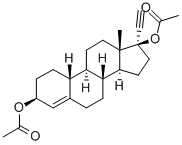
Ethynodiol diacetate and Ethinyl estradiol are combined hormonal contraceptive pills that prevent ovulation (the release of an egg from an ovary). They also cause changes in the cervical mucus and the lining of the uterus, making it harder for sperm to reach the uterus and for a fertilized egg to attach to the uterus. Ethinyl estradiol and Ethynodiol diacetate are used to prevent pregnancy. The structures of Ethinyl estradiol and Ethynodiol diacetate are shown in Figure 1 and Figure 2.
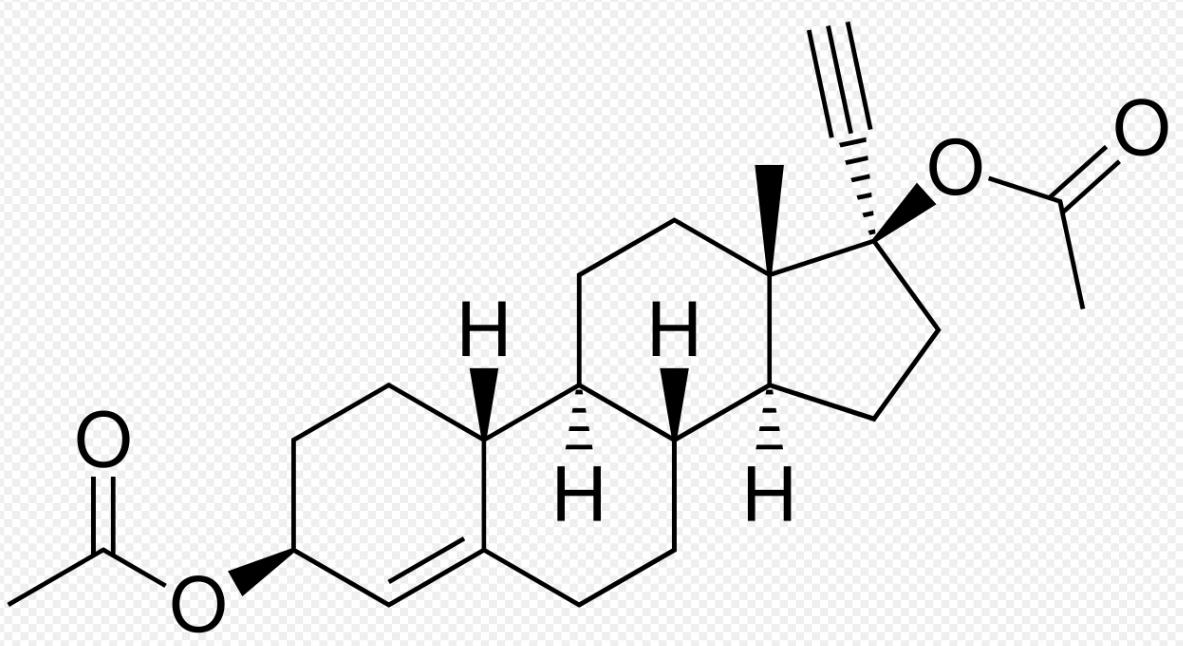
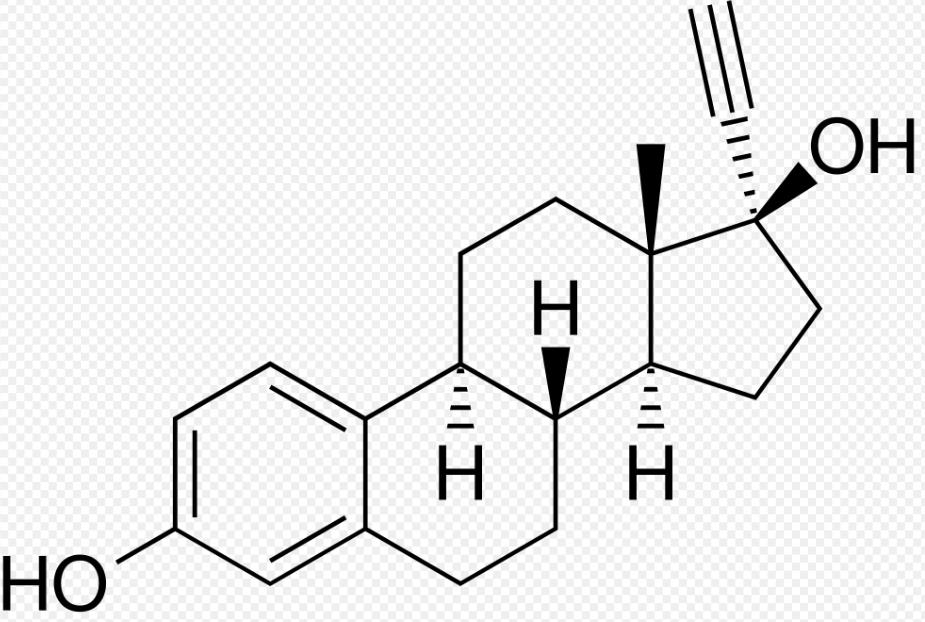
Ethynodiol diacetate and Ethinyl estradiol are two hormones found in several brand name birth control pills. Some brand names include:
- Demulen 1/35
- Demulen 1/50
- Kelnor 1/35
- Kelnor 1/35-28
- Zovia 1/35
- Zovia 1/35e
- Zovia 1/50e
These brand names may not be available in all countries. It's essential to discuss with your doctor which brand is suitable for you if you're considering using Ethynodiol diacetate and Ethinyl estradiol.
Combination hormonal contraceptives suppress ovulation by inhibiting the secretion of follicle-stimulating hormone (FSH) and luteinizing hormone (LH) from the pituitary gland via a negative feedback mechanism in the hypothalamus. FSH levels in the follicular phase and LH surge in the mid-cycle are suppressed. Additionally, combination hormonal contraceptives induce changes in the reproductive tract, including alterations in cervical mucus that are not conducive to sperm penetration even if ovulation occurs. Changes in the endometrium may also create an unfavorable environment for embryo implantation. Combination hormonal contraceptives may alter tubal transport of the ovum. The fecundability of sperm may also be affected by hormonal contraceptives.
In 73 reviews on Drugs.com, the average rating for Ethinyl estradiol/ethynodiol was 6.1 out of 10. Fifty percent of reviewers reported positive experiences, while 35% reported negative experiences.
Overall, research suggests it can be effective in preventing pregnancy when taken correctly.
Some users experience side effects, particularly when starting the medication. Common side effects include nausea, breast tenderness, and irregular bleeding. More severe side effects are rare but occasionally reported.
Reviews are mixed. Some users view it positively, while others experience bothersome side effects. It's best to discuss contraceptive options with your doctor to find what's best for you. They can address any questions you have about side effects, risks, and effectiveness.
Unless otherwise indicated, adverse reactions and incidence rates are from product labeling.
Undetermined frequency.
- Cardiovascular: Arterial thromboembolism, Budd-Chiari syndrome, Cerebrovascular accident, Cerebrovascular accident, Edema, Hypertension, Localized thrombophlebitis, Mesenteric thrombosis, Myocardial infarction, Pulmonary embolism, Retinal thrombosis
- Central Nervous System: Cerebral hemorrhage, Depression, Dizziness, Headache, Migraine, Nervousness
- Dermatologic: Acne vulgaris, Allergic rash, Chloasma (possibly persisting), Erythema multiforme, Erythema nodosum, Hair loss, Scalp hair loss
- Endocrine and Metabolic: Amenorrhea, Changes in menstrual flow, Decreased glucose tolerance, Decreased serum folate levels, Hirsutism, Increased serum triglycerides, Increased sex hormone-binding globulin, Increased thyroxine-binding globulin, Porphyria, Premenstrual syndrome, Weight gain, Weight loss
- Gastrointestinal: Abdominal cramping, Abdominal bloating, Carbohydrate intolerance, Changes in appetite, Cholestatic jaundice, Colitis, Gallbladder disease, Nausea, Vomiting
- Genitourinary: Breakthrough bleeding, Breast enlargement, Breast secretion, Breast tenderness, Cervical erosion changes, Cervical secretion changes, Cystitis-like syndrome, Decrease in lactation (postpartum), Spotting, Temporary infertility (post-discontinuation), Vaginitis, Vulvovaginal candidiasis
- Hematologic and Oncologic: Antithrombin III decreased, Disseminated intravascular coagulation, Hemorrhagic eruption, Increased Factor VII, Increased Factor VIII, Increased Factor IX, Increased Factor X, Increased platelet aggregation induced by epinephrine, Increased prothrombin time
- Hepatic: Cholestatic jaundice, Hepatic adenomas, Hepatic tumors (benign), Jaundice
- Ophthalmic: Cataracts, Corneal curvature changes (steepening), Contact lens intolerance, Optic neuritis
- Renal: Renal function impairment
Take this medicine by mouth. To reduce nausea, this medicine may be taken with food. Follow the directions on the prescription label. Take this medicine at the same time each day and in the order directed on the package. The timing of taking the medicine is best at the same time every day. The effectiveness of the medication is best when there are not more than 24 hours between doses. Do not skip or delay taking your medicine for more than 24 hours. If you miss a dose, you may become pregnant. Consult your doctor for methods to help you remember to take your medicine or use another form of contraception.
Your body needs at least 7 days to adjust when you start using this medicine to prevent pregnancy. Use a second form of birth control, such as condoms, spermicide, or diaphragm, for the first 7 days of your first cycle of using the pill. The effectiveness of birth control pills is highest when no more than 24 hours pass between doses. Do not skip or delay taking birth control pills for more than 24 hours. If you miss a dose, you may become pregnant. Consult your doctor for guidance on how to remember to take your pills or use alternative contraception methods.
You may experience nausea or vomiting, especially during the first few months of taking this medicine. If your nausea persists and does not go away, contact your doctor. If you vomit or have diarrhea after taking birth control pills, use another form of birth control until you consult with your doctor.
The dosage of this medicine varies for different patients. Follow your doctor's instructions or the directions on the label. The amount of medicine you take depends on the strength of the medicine. Also, the number of doses you take each day, the time allowed between doses, and the length of time you take the medicine depend on your medical condition.
Ethynodiol diacetate and Ethinyl estradiol are two common active ingredients in oral contraceptives, each playing vital roles. If you have further questions about these components or need more detailed information, it's advisable to consult with a doctor or healthcare professional to ensure your understanding and proper use of oral contraceptives. Always remember that consulting a doctor before using any medication is crucial to ensure its safety and effectiveness.
[1] https://www.drugs.com/mtm/ethinyl-estradiol-and-ethynodiol-diacetate.html
[2] https://www.drugs.com/comments/ethinyl-estradiol-ethynodiol/
[3] https://www.mayoclinic.org/drugs-supplements/ethinyl-estradiol-and-ethynodiol-diacetate-oral-route/proper-use/drg-20406425
[4] https://my.clevelandclinic.org/health/drugs/18642-ethynodiol-diacetate-ethinyl-estradiol-tablets
[5] https://en.wikipedia.org/wiki/
 |
|
 |


 15YRS
15YRS


