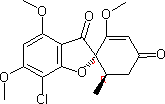
Griseofulvin is a powerful antifungal medication that has been widely recognized for its effectiveness in treating various fungal infections. It has earned a spot on the World Health Organization's List of Essential Medicines, underscoring its importance in global healthcare. Approved by the U.S. Food and Drug Administration (FDA) since 1962, Griseofulvin is primarily used to treat skin infections such as ringworm, athlete’s foot, and other stubborn nail and skin fungi that do not respond well to topical treatments like creams or lotions.

Griseofulvin works by disrupting the process of fungal cell division, effectively preventing the fungus from spreading and allowing the infection to clear up. By interfering with fungal mitosis, the medication stops fungal cells from multiplying, which ultimately leads to the death of the infection. As the fungus is eradicated, symptoms such as itching, redness, peeling, scaly skin, and discolored nails gradually subside, providing relief to the patient.
Griseofulvin is not available over-the-counter and requires a prescription from a healthcare provider. It is considered an antibiotic, despite its role in increasing steroid hormone levels. Once prescribed, Griseofulvin can be taken in several forms, including tablets, capsules, and liquid suspensions. Griseofulvin dosage typically depends on the patient’s age, the severity of the condition being treated, and any other underlying health issues. While it is commonly taken once daily, some cases may require it to be administered two to four times a day.
The duration of treatment with Griseofulvin can vary based on the type of infection. For skin infections, noticeable improvements may be seen within a few days, but it generally takes about two to four weeks for the infection to be fully resolved. Hair and scalp infections may require a longer treatment period, typically four to six weeks. It is crucial to continue using the medication for the full prescribed length of time, even if symptoms improve quickly, to ensure the infection is completely eradicated.
Rashes and Allergic Reactions: Skin rashes, hives, or other allergic reactions can develop.
Blood Disorders: Rarely, it may lead to low white blood cell count (leukopenia), anemia, or other blood-related issues.
Liver Disease: Caution is advised for patients with pre-existing liver conditions.
Griseofulvin is a highly effective antifungal medication that plays a crucial role in treating persistent fungal infections of the skin, hair, and nails. Its inclusion on the WHO's List of Essential Medicines highlights its global importance in healthcare. However, like all medications, Griseofulvin comes with potential side effects, ranging from common issues like headaches and nausea to more serious concerns such as liver toxicity and severe skin reactions. Patients must adhere to their prescribed treatment regimen and remain vigilant for any adverse effects, consulting their healthcare provider as needed to ensure safe and effective use.
|


 2YRS
2YRS