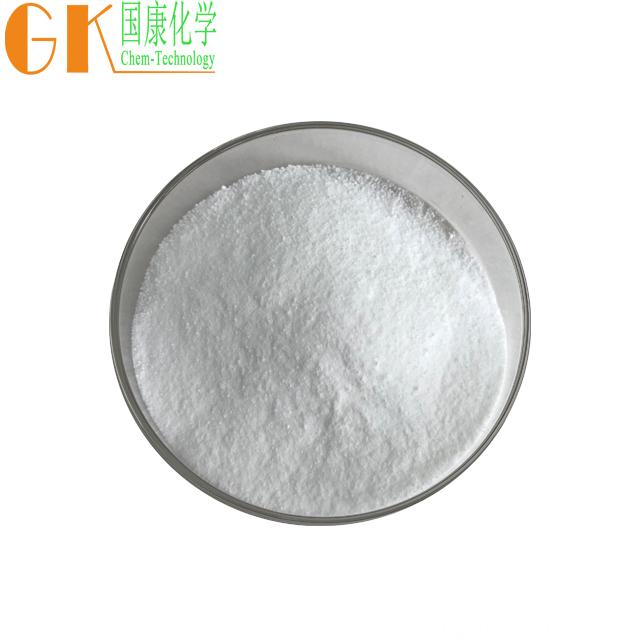
Sodium metabisulfite is a cornerstone in the realm of mead production, closely intertwined with the intricacies of fermentation and preservation processes. As a crucial additive, sodium metabisulfite plays multifaceted roles in shaping the quality and characteristics of mead, exerting influences from flavor profiles to microbial stability. Understanding the pivotal role of sodium metabisulfite and ensuring its accurate measurement are paramount to unlocking the fermentative potential of mead. This article delves into the multifaceted roles of sodium metabisulfite in mead production, emphasizing the significance of precise measurement to achieve successful fermentation and craft exceptional mead.

(1) Explanation of Sodium Metabisulfite's Role in Mead Production
The primary purpose of sodium metabisulfite in mead production is as a preservative and antioxidant. It extends the shelf life of mead, preventing the growth of detrimental microorganisms during fermentation while preserving the color and flavor of mead.
(2) Importance of Sulfite Content in Mead for Preservation and Flavor
Sodium metabisulfite is commonly used to inhibit the growth of harmful microorganisms such as bacteria and wild yeast, which can compromise mead during fermentation and storage. Additionally, sodium metabisulfite helps prevent oxidation, which can lead to off-flavors and color changes in mead over time. By maintaining sulfite content at optimal levels, mead producers ensure the longevity and quality of their products, preserving the delicate balance of flavor and aroma. The usage of sodium metabisulfite should be within reasonable limits, as excessive use can lead to a decrease in product quality, and residual levels of food-grade sodium metabisulfite should be less than 0.05g/kg.
(3) Differentiation of Sodium Metabisulfite from Other Sulfiting Agents
Apart from sodium metabisulfite, other sulfiting agents are commonly used in mead production, each with its unique properties and purposes. These sulfiting agents include potassium metabisulfite, sulfur dioxide, and sodium sulfite. While sodium metabisulfite is favored for its stability and ease of use, other sulfiting agents may be preferred for specific purposes or production methods. Understanding the differences between these sulfiting agents and their respective roles in mead production is crucial for mead makers to make informed decisions on which additives to use and how to achieve the desired effects during the production process.
How much sodium metabisulfite per gallon of mead? Typically, each gallon of mead contains 50 to 350 ppm of sodium metabisulfite. Determining the appropriate dosage of sodium metabisulfite per gallon of mead requires careful calculation and consideration of various factors. Each gallon of mead usually contains approximately 50-100 ppm of sodium metabisulfite. This value may vary depending on the mead recipe and production process. To calculate the precise dosage, multiply the volume of mead (in gallons) by the desired ppm of free sulfur dioxide and adjust the result based on factors such as pH, temperature, and the presence of residual sugars or other additives. These factors influence the rate of sodium metabisulfite dissipation and the effectiveness of its preservative and antioxidant properties.
Furthermore, specific requirements for sulfite content may vary depending on the desired style of mead, with higher sulfite levels typically recommended for sweeter or more fruit-forward varieties to prevent spoilage and ensure stability during fermentation and aging. By carefully considering these factors and calculating the appropriate dosage of sodium metabisulfite, mead producers can ensure that their mead maintains optimal quality and shelf life, preserving its flavor and characteristics for long-term enjoyment.
(1) How much sodium metabisulfite per gallon of must?
Determining the dosage of sodium metabisulfite in grape juice and wine is a critical step in the winemaking process, affecting the preservation and quality of the final product. Guidelines for adding sulfites during preparation are crucial for maintaining consistency and achieving expected results. Winemakers typically follow recommended dosage levels based on the volume of grape juice or wine being processed and adjust these levels based on the specific style and characteristics of the product being produced. For example, sweeter wines or those with higher residual sugar content may require higher sulfite levels to prevent spoilage and ensure stability during fermentation and aging, while drier wines may benefit from lower sulfite levels to maintain their natural flavors and aromas. By carefully adjusting sulfite levels based on these considerations, winemakers can achieve the ideal balance of preservation and flavor enhancement in grape juice and wine.
(2) How much sodium metabisulfite to stop fermentation?
While sulfites play a crucial role in inhibiting microbial growth and oxidation, excessive use of sodium metabisulfite can have adverse effects on the sensory characteristics of grape juice and wine. High concentrations of sulfites can produce off-flavors and aromas, including those commonly referred to as "sulfur" or "burnt rubber" odors. Therefore, it is essential for winemakers to carefully monitor and control the dosage of sodium metabisulfite to avoid sulfite overuse and preserve the natural fruit flavors and aromas of grape juice and wine.
(1) Strategies for Halting Fermentation by Adding Sulfites
Studying the control of fermentation by sodium metabisulfite involves exploring strategies to effectively halt fermentation during the winemaking process to achieve desired outcomes. One such strategy is to add sulfites to stop fermentation prematurely, often used to preserve residual sugars or stabilize wine at desired sweetness levels. Adding sodium metabisulfite inhibits yeast activity by disrupting the enzymatic processes necessary for fermentation, thus preventing sugars from converting into alcohol. This controlled approach allows winemakers to exert greater control over the fermentation process and tailor the final product to meet specific taste preferences or style requirements.
(2) How Much Sodium Metabisulfite Can Halt Fermentation?
Determining the recommended dosage of sulfites to halt fermentation at different stages requires careful consideration of several factors, including the fermentation stage, grape variety, and desired residual sugar level. Generally, higher doses of sodium metabisulfite are needed to stop fermentation in the early stages when yeast activity is most vigorous compared to the later stages when fermentation is nearing completion. The amount of sodium metabisulfite required to halt fermentation depends on these factors, with recommended dosage ranges typically between 50 and 200 parts per million (ppm) of free sulfur dioxide (SO2) based on the volume of wine being processed. By accurately calculating the appropriate dosage of sulfites and monitoring the fermentation process, winemakers can effectively control fermentation and achieve desired outcomes in terms of sweetness, alcohol content, and flavor.
(3) Safety Considerations When Adding Sulfites During Active Fermentation
Adding sulfites during active fermentation requires adherence to safety precautions to avoid adverse effects on wine quality and consumer health. Overuse of sodium metabisulfite can result in excessively high levels of sulfur dioxide in wine, leading to off-flavors and potential health risks. Therefore, winemakers must carefully measure and manage sulfite dosage according to recommended guidelines, taking into account factors such as pH, temperature, and the presence of other additives. Additionally, proper ventilation and handling procedures should be followed to minimize exposure to sulfur dioxide gas, as inhalation can irritate the respiratory system, causing discomfort for sensitive individuals.
(1) Instructions for Accurate Measurement and Addition of Sodium Metabisulfite
To fully harness the benefits of sodium metabisulfite in winemaking and mead production, precise measurement and addition of the compound are crucial. Winemakers should carefully calculate the appropriate dosage of sodium metabisulfite based on the volume of liquid being treated and the desired level of sulfite protection. Calibrated measuring spoons or scales set to the recommended dosage can be used to achieve accurate measurement, ensuring consistency and reliability in the sulfite treatment process. Additionally, to mitigate the odor of sulfites in mead, it is recommended to dissolve sodium metabisulfite in a small amount of warm water before adding it to grape juice or wine. This pre-dissolution step helps release sulfur dioxide gas, reducing the pungent odor and minimizing its impact on the sensory characteristics of the final product.
(2) Recommendations for Storage and Handling of Sodium Metabisulfite
Proper storage and handling of sodium metabisulfite are essential for maintaining its stability and effectiveness over the long term. Sodium metabisulfite should be stored in a cool, dry place away from direct sunlight and moisture, as exposure to heat and humidity can diminish its potency. Equally important is to keep the sodium metabisulfite container tightly sealed and labeled to prevent contamination and ensure safe handling. When handling sodium metabisulfite, protective gear such as gloves and goggles should be worn to minimize skin and eye irritation. Additionally, proper ventilation is advised when using sodium metabisulfite to prevent inhalation of sulfur dioxide gas, as it can irritate the respiratory system, causing discomfort for sensitive individuals.
(1) Importance of Monitoring Sulfite Levels During Mead Aging
Aging is an essential process in mead production, enhancing its mouthfeel and flavor intensity. Sulfites are crucial during mead aging; however, excessive sulfites can not only affect the taste of the wine but may even lead to its deterioration. Therefore, it is necessary to adjust sulfite levels during mead aging to maintain freshness and prevent oxidation.
Adding sulfites is aimed at preserving the freshness of mead and preventing oxidation. Generally, sulfites inhibit the activity of phenol enzymes, reduce quinone substances, prevent the polymerization of carbonyl compounds, and inhibit enzyme-catalyzed browning. Excessive use of sulfites can result in excessive bitterness in fruit wine, affecting its taste.
During aging, it is essential to monitor sulfite levels regularly. Chemical detection methods can be used to measure sulfite levels. Generally, if sulfite levels are too high, some additives can be added to neutralize their bitterness, such as citric acid. At the same time, we can also choose to appropriately reduce the aging time to avoid excessive sulfite levels.
(2) Other Aging Considerations
It is essential to note that when adjusting sulfite levels, other factors such as oxidation and aging need to be considered. During the aging process, if the concentration of sulfites is too high, it is easy to oxidize alcohol and other substances, which will affect the taste and flavor of the wine. Therefore, while adjusting sulfite levels, attention should be paid to maintaining other aging factors in a balanced state.
(1) Sodium Metabisulfite and Excessive Sulfur Dioxide
Sodium metabisulfite may release sulfur dioxide gas during use, and excessive sulfur dioxide may be harmful to human health. Therefore, when using sodium metabisulfite, it is necessary to control the dosage to avoid excessive sulfur dioxide.
(2) Metabolism of Sodium Metabisulfite
Sodium metabisulfite can be metabolized into sulfate and sulfite in the human body, which are then excreted in the urine. When using sodium metabisulfite, attention should be paid to metabolism to avoid excessive intake of sulfate and sulfite, which may be harmful to human health.
(3) Dosage of Sodium Metabisulfite
The dosage of sodium metabisulfite needs to be adjusted according to different foods and uses. When using sodium metabisulfite, it is necessary to use it strictly in accordance with the regulations and safety doses of food additives.
Accurate determination of sodium metabisulfite in mead production is crucial for ensuring the preservation, flavor, and stability of the final product. By accurately measuring and adding sodium metabisulfite, mead makers can effectively control fermentation, inhibit microbial growth, prevent oxidation, and ultimately produce high-quality mead with ideal sensory characteristics. For those seeking to enhance their mead production processes, the availability of quality sodium metabisulfite products is essential. With a wide selection, mead producers can choose the right sodium metabisulfite product to meet their specific needs and achieve the best results.
[1]https://www.homebrewtalk.com/threads/mead-yeast-nutrient-requirements.207742/
[2]https://en.wikipedia.org/wiki/Sodium_metabisulfite
[3]https://www.chemsrc.com/en/cas/7681-57-4_106456.html
[4] Huang Sha, Chen Lin, Wang Yeyang, et al. Research progress on mead [J]. Food Industry, 2021, 42 (12): 393-398.
[5] Hao Fengjiao, Zhang Lihua. Development history and current situation of mead [J]. Modern Agricultural Science and Technology, 2020, (17): 213-215.
|
 |
 |


 13YRS
13YRS