
Nitrocellulose, also known as cellulose nitrate, is an organic polymer with the chemical formula (C6H7N3O11)n. It is a product of the nitration reaction of cellulose and appears as a white or slightly yellow cotton-like substance. Nitrocellulose is insoluble in water but dissolves in esters, acetone, and other organic solvents.
Nitrocellulose is one of the most widely used cellulose esters, with a production history significantly older than other cellulose esters. As early as 1832, concentrated nitric acid was used to treat cotton, wood, and paper to produce nitrocellulose. By 1845, a mixture of nitric and sulfuric acid was used to treat cellulose. Since 1869, nitrocellulose has been used in the production of plastics like celluloid and, in 1886, for manufacturing smokeless powder. Between 1884 and 1890, with the advent of artificial silk production technology, nitrocellulose was also used as a raw material for this new material.
Polyurethane (often abbreviated as PUR or PU) is a polymer made up of organic units joined by carbamate (urethane) links. Unlike common polymers such as polyethylene and polystyrene, polyurethanes are made from a diverse range of raw materials, allowing for the production of materials with different chemical structures. Polyurethanes are widely used in various fields, including rigid and flexible foams, coatings, adhesives, electrical potting compounds, and fibers like spandex and polyurethane laminated fabric (PUL). Foam materials are the most widely used, with foam accounting for 67% of all polyurethane production in 2016.

In terms of durability and longevity, polyurethane coatings significantly outperform nitrocellulose coatings. Polyurethane coatings provide stronger protection due to their thicker layers and plastic-like appearance, preventing everyday wear, scratches, and cracks. They exhibit stable performance over time and are less prone to aging or discoloration. In contrast, nitrocellulose coatings are more susceptible to natural wear such as cracks, scratches, and yellowing.
Nitrocellulose coatings offer a unique high gloss and depth. The thickness and glossiness of these coatings are often seen as a sign of luxury. In comparison, polyurethane coatings provide a range of finishes from matte to glossy, offering a more consistent and modern appearance.
Polyurethane coatings have clear advantages in application and ease of use. They are easier and quicker to apply and dry, making them suitable for large-scale production and rapid application. Additionally, their application process requires less environmental and technical consideration. In contrast, applying nitrocellulose coatings is more complex, requiring a well-ventilated environment and higher technical skills. Nitrocellulose coatings are also more maintenance-intensive and prone to uneven wear due to environmental influences.
Nitrocellulose coatings release volatile organic compounds (VOCs) during application, which can have significant environmental and health impacts, necessitating appropriate protective measures. Although polyurethane coatings are relatively safe during application, some types contain VOCs that may negatively affect indoor air quality. Therefore, choosing environmentally friendly coatings and adopting proper safety measures are essential considerations for protecting both the environment and health.
In musical instrument construction, choosing the right paint is crucial to both sound quality and appearance. Nitrocellulose lacquer and polyurethane lacquer each have their own characteristics.
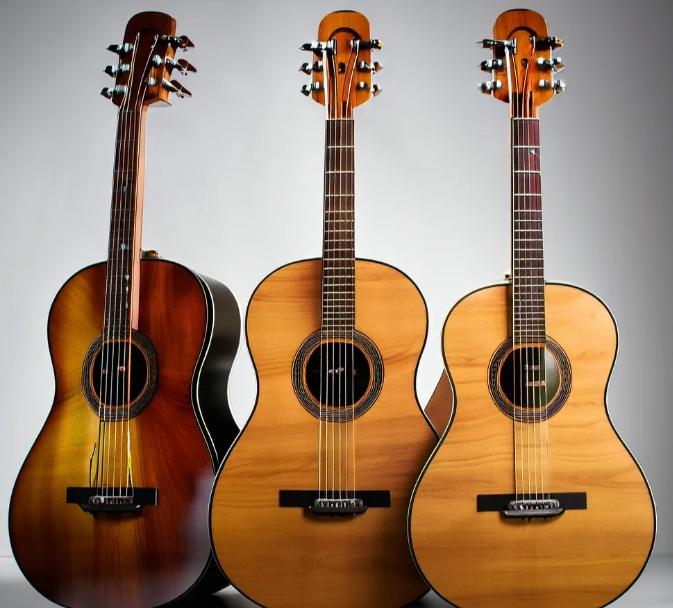
Nitrocellulose coatings, known as "nitrocellulose lacquer," were widely used in the 1950s and 1960s. Their main advantages are their unique sound quality and distinctive appearance. Due to the porosity of nitrocellulose, it is believed to offer a more open sound and longer tone, which is appealing to some instrument enthusiasts. Additionally, nitrocellulose lacquer naturally wears over time, developing cracks and scratches that many people see as a classic and interesting feature, especially in vintage-style instruments. Despite this natural wear adding character and a sense of history to the instrument.
The disadvantages of nitrocellulose lacquer include its susceptibility to damage, its brittleness at low temperatures, and the need for plasticizers. However, the migration of plasticizers can lead to brittleness and yellowing. Prolonged exposure to light can also accelerate its aging process. More importantly, nitrocellulose itself has certain toxicity and flammability, requiring special protective measures during application, which may be a challenge for non-professionals.
Polyurethane coatings are popular as the standard coating for modern guitars due to their low cost, ease of application, and high safety. Their greatest advantage is exceptional durability. The thicker coating of polyurethane has a plastic-like appearance, providing the best protection, although it cannot entirely resist drops and deep scratches, it effectively protects in everyday use. Additionally, polyurethane coatings perform well over time and are less likely to crack or wear, making them the best choice if you want your guitar to maintain a new look for a longer period.
Polyurethane coatings have their drawbacks as well. Low-quality polyurethane coatings may not offer the same level of protection and appearance as higher-quality coatings, but choosing a high-quality guitar can avoid this issue. Another downside is that polyurethane coatings do not develop natural wear, which might be disappointing for players who prefer a guitar that ages and develops a vintage style. However, this might be an advantage for those who dislike the worn look. Finally, although there are opinions that polyurethane coatings might affect the sound quality of a guitar, this claim is hard to verify, and most listeners may not notice a significant difference. Nonetheless, if you have high sound quality requirements, this factor is worth considering.
|
 |
 |

