
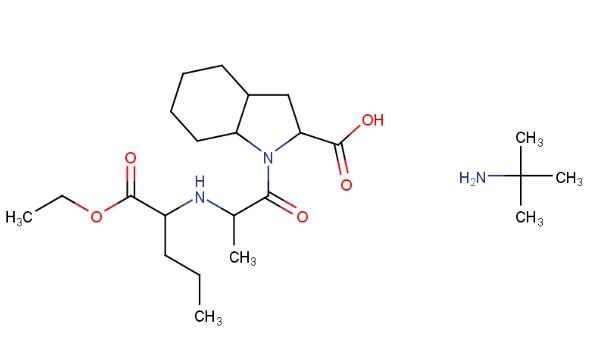
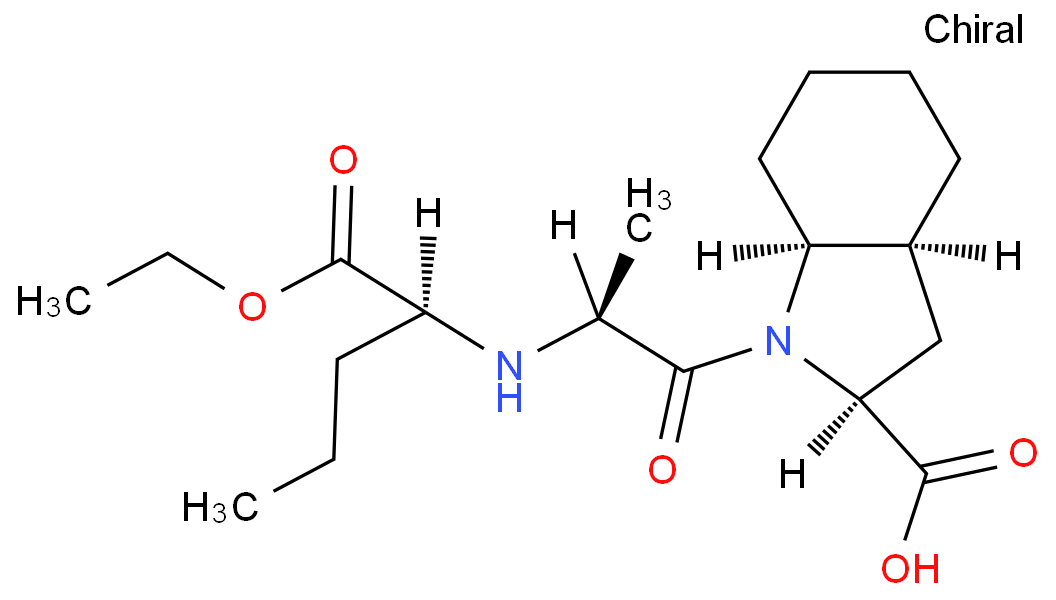
Perindopril/indapamide (marketed under names such as Preterax, Coversyl Plus, and Noliprel) is a combination drug containing perindopril (an ACE inhibitor) and indapamide (a thiazide-like diuretic). Both are used to treat primary hypertension. The perindopril/indapamide combination therapy is very effective in controlling blood pressure and preventing cardiovascular diseases in a wide range of hypertensive patients, including those with diabetes. Here is an overview of perindopril/indapamide:

In 1992, the French company Servier introduced a low-dose combination preparation—Perindopril 2 mg + Indapamide 0.625 mg—for hypertension treatment after extensive research and validation. Subsequently, clinical trials conducted in 15 countries with over 14,000 patients showed that treatment with perindopril/indapamide tablets for 8 weeks significantly lowered systolic and diastolic blood pressure. After 15 months of continuous treatment, 96.2% of patients had their blood pressure normalized, and 72.3% of patients did not require dosage adjustments. The effectiveness rate for patients with isolated systolic hypertension was 87%. Comparisons with conventional treatments showed that the perindopril/indapamide group reduced systolic blood pressure by 26.2 mmHg with a normalization rate of 61.7%, demonstrating a significant advantage over conventional treatments. Moreover, perindopril/indapamide tablets significantly improved microcirculation, coronary blood flow reserve, and reduced proteinuria and left ventricular hypertrophy, thereby decreasing the risk of stroke, myocardial infarction, heart failure, and cardiovascular mortality.
In 2007, the European Society of Cardiology published results from the ADVANCE study conducted by the George Institute for International Health in Sydney, Australia. This large-scale, long-term study included 12,878 diabetic patients over 55 years of age from 215 hospitals across 20 countries, with an average follow-up of 4.3 years. The study showed that perindopril/indapamide fixed-dose combination tablets (2.0 mg/0.625 mg, increasing to 4.0 mg/1.25 mg after 3 months) had significant advantages in enhancing blood pressure control, reducing overall mortality, and decreasing the risk of cardiac and renal events in type 2 diabetes patients. It also provided reliable clinical evidence for organ protection, independent of patients' other health conditions. The efficacy of perindopril/indapamide tablets was consistent across different patient ages, genders, hypertension statuses, and other factors, and was unaffected by the use of other medications such as statins and antiplatelet agents.
Various clinical trials, including Hyvet and Advance studies, have confirmed the clinical efficacy and safety of the perindopril/indapamide combination in treating hypertension. These studies demonstrate the unparalleled advantages of combining perindopril and indapamide for hypertension treatment.
The perindopril/indapamide combination provides superior blood pressure control compared to traditional methods. It has been shown to have early and sustained effects on systolic blood pressure (SBP) and positively affects hemodynamics. SBP is an independent risk factor for cardiovascular disease mortality, making its control increasingly important. Clinical trials have demonstrated that perindopril/indapamide significantly reduces SBP in various patient populations, with reductions ranging from ≥22 mm Hg in elderly patients and those with left ventricular hypertrophy to 15 mm Hg in diabetic patients.
Studies on patients with left ventricular hypertrophy (LVH) and research on the effects of perindopril/indapamide on large and microcirculation support the notion that the combination positively impacts large arteries and microcirculatory stiffness. Treatment with perindopril/indapamide can reduce carotid wave reflection and pulse wave velocity, which are components of pulse pressure and determinants of left ventricular afterload, myocardial hypertrophy, and myocardial oxygen consumption.
In diabetic patients with albuminuria, perindopril/indapamide treatment significantly lowers blood pressure, albumin excretion rate, and urine albumin-to-creatinine ratio. The renal protective effect of perindopril/indapamide remains significant even after adjusting for changes in blood pressure.
The fixed combination of ACE inhibitors and thiazide-like diuretics achieves synergistic antihypertensive effects. This pharmacological property stems from the actions of each component individually and reflects their collaborative effects on vascular endothelium, small arteries, and capillary microcirculation, as well as hypertension target organ protection.
Side effects of perindopril/indapamide may include weakness, dizziness, headache, mood swings, and/or sleep disturbances. Other possible side effects include cramps, hypotension, allergic reactions, rash, gastrointestinal issues, dry cough, erectile dysfunction, dry mouth, and dehydration risk in the elderly and patients with congestive heart failure.
Patients undergoing immune suppression or dialysis using polyacrylonitrile membranes may experience allergic reactions. Caution is advised when prescribing perindopril/indapamide to patients with electrolyte imbalances, diabetes, gout, hypotension, or a strict sodium-free diet, as well as those with heart or kidney failure, atherosclerosis, renal artery stenosis, and the elderly.
Combining perindopril and indapamide effectively enhances antihypertensive treatment and improves cardiovascular health. However, since each patient's condition and medication response may vary, it is essential to consult a doctor before using this drug combination. A healthcare professional can provide personalized advice to ensure safe and effective treatment.
[1]Wang Ying. Study on the antihypertensive efficacy and safety of perindopril indapamide tablets in community patients with hypertension[D]. Shandong: Shandong University, 2014. DOI:10.7666/d. Y2732203.
[2]https://en.wikipedia.org/wiki/Perindopril/indapamide
[3]https://en.wikipedia.org/wiki/Perindopril
[4]Zannad F. Benefits of first-line combination of perindopril and indapamide in clinical practice for patients with hypertension and diabetes[J]. American journal of hypertension, 2007, 20(S1): 9S-14S.
[5]https://www.who.int/zh/news-room/fact-sheets/detail/hypertension
 |
 |
 |



 3YRS
3YRS


