Bees play a crucial role in both natural ecosystems and human agriculture. They are vital for the pollination of numerous crops such as blueberries, apples, and onions, making them indispensable to our food supply. However, bee populations have been in decline, with reports indicating that up to 44 percent of the commercial bee population died in the year leading up to April 2016. This decline raises significant concerns about the future of these essential pollinators.
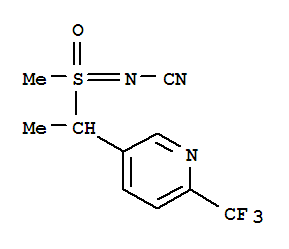
Among the factors contributing to this decline is the pesticide sulfoxaflor. Originally designed as a pest control solution, sulfoxaflor has come under scrutiny for its potential risks to bee's health. This article explores the EPA’s regulatory actions regarding sulfoxaflor, its risks, and the implications for bee populations.

EPA’s Actions on Sulfoxaflor
Sulfoxaflor, a neonicotinoid chemical insecticide, has been the center of controversy due to its impact on pollinators, particularly bees. After its initial approval by the U.S. EPA in 2013, concerns arose about its potential role in bee population declines, leading to a lawsuit and a 2015 court ruling that vacated its approval. The court found that the EPA had relied on insufficient data regarding the pesticide's effects on bees, resulting in a temporary suspension of Sulfoxaflor's use.
In response, the EPA reevaluated Sulfoxaflor and granted conditional approval in 2016 under stricter usage conditions. However, in 2019, the EPA expanded Sulfoxaflor's approved uses, which reignited concerns from environmental groups and beekeepers about its impact on pollinators. Internationally, the European Union and Canada have imposed stringent restrictions on its use to mitigate risks to bees. Despite these regulatory efforts, the debate over Sulfoxaflor's safety continues.
Sulfoxaflor: Hazards and Safety
Sulfoxaflor is a chemical insecticide known for its effectiveness against sap-feeding pests like aphids and whiteflies, but this chemical also poses significant risks, particularly to non-target species such as bees. For instance, in 2015, the U.S. Environmental Protection Agency (EPA) faced legal challenges after environmental groups, led by beekeepers, sued over concerns that Sulfoxaflor posed a serious threat to bee populations. The court ruled in favor of the plaintiffs, leading to a temporary cancellation of the product’s registration. This case highlighted the risks associated with Sulfoxaflor, specifically its potential to disrupt bee behavior, impairing their ability to forage and navigate, which in turn threatens the health and survival of entire colonies.
In terms of safety, the regulatory response to Sulfoxaflor has been mixed. Following the 2015 court ruling, the EPA reevaluated Sulfoxaflor and in 2019 reapproved its use, but with stricter label restrictions designed to protect pollinators, such as prohibiting its application during bloom when bees are actively foraging. Despite these additional safety measures, further incidents have raised concerns, including reports from 2020 where improper use of Sulfoxaflor was linked to bee die-offs in California almond orchards. These cases continue to fuel debates over whether current precautions are adequate to mitigate Sulfoxaflor's risks, leaving its role in agriculture a contentious and ongoing issue.
Concluding Thoughts
Concerns about Sulfoxaflor use have intensified due to its potential threat to honey bees, a vital pollinator species. Research and field incidents have shown that Sulfoxaflor can impair bee behavior, affecting their ability to forage, navigate, and sustain hive health. These risks have sparked significant regulatory scrutiny and legal challenges, as the protection of honey bee populations is crucial for maintaining ecological balance and agricultural productivity. Despite regulatory efforts to mitigate these risks through stricter application guidelines, the potential harm to honey bees remains a major point of contention surrounding the use of Sulfoxaflor in agriculture.



 13YRS
13YRS

