Vidarabine, stands as a potent antiviral medication primarily utilized in treating herpes virus infections. This article delves into the vidarabine mechanism of action, aiming to provide an in-depth understanding of its specific role in antiviral processes. Grasping how Vidarabine functions is crucial for its effective application. By elucidating the mechanism of action of Vidarabine, we can better harness its antiviral properties, enhance therapeutic efficacy, mitigate drug side effects, and offer more effective solutions for viral infections treatment.
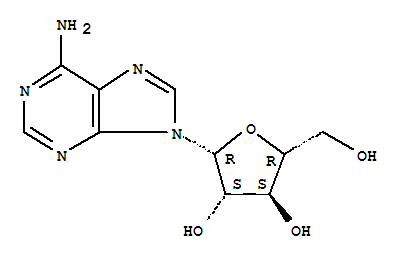
Vidarabine (Vidarabine, Ara-A, 9-β-D-Arabinofuranosyladenine), as depicted in the structural formula below, is attracting attention as a broad-spectrum DNA virus inhibitor. It interferes with the early stages of virus DNA synthesis, exhibiting significant inhibitory effects on DNA viruses such as herpes simplex I/II, varicella-zoster, cytomegalovirus, and vaccinia virus both in vitro and in vivo. Clinically, it is used to treat herpes simplex viral encephalitis, representing the most effective antiviral drug in this regard, and also for treating herpes zoster and varicella infections in immunocompromised patients. Its derivatives have shown therapeutic effects as well, such as inhibiting hepatitis B virus replication, primarily used in the treatment of chronic hepatitis B and other viral infections such as herpes zoster, herpes simplex, and genital herpes. It acts fast with clear efficacy, making it a common choice in clinical antiviral therapy.

What class of drug is vidarabine? Vidarabine belongs to the class of nucleoside antiviral drugs, combating viral infections through various mechanisms. Vidarabine operates by disrupting virus DNA synthesis. It is a nucleoside analogue and thus requires phosphorylation to become active. This is a three-step process wherein Vidarabine is sequentially phosphorylated by kinases to form ara-ATP. This is the active form of Vidarabine, serving as both an inhibitor and substrate of viral DNA polymerase. When utilized as a substrate for viral DNA polymerase, ara-ATP competitively inhibits dATP, resulting in the formation of "faulty" DNA. Here, ara-ATP is integrated into the DNA chain, replacing many adenosine bases. This disrupts DNA synthesis as phosphodiester bridges cannot be established, rendering the chain unstable. Additionally, ara-ATP inhibits RNA adenylation, preventing essential adenylation for HIV-1 and other retroviruses, and S-adenosylhomocysteine hydrolase, preventing methylation reactions.
Through these intricate mechanisms, Vidarabine exerts potent antiviral effects, offering a hopeful therapeutic option against various viral infections.
What class of drug is vidarabine? Vidarabine, as a broad-spectrum antiviral drug, primarily acts by binding to the viral DNA polymerase, reducing its activity, and inhibiting viral DNA synthesis. Additionally, Vidarabine exhibits immunomodulatory effects, enhancing the functionality of the human immune system and boosting the body's resistance to viruses. FDA-approved indications include treatment for herpetic virus infections causing stomatitis, dermatitis, encephalitis, and cytomegalovirus infection.
In clinical practice, Vidarabine finds extensive use in treating viral infectious diseases such as herpes simplex virus infections, varicella-zoster virus infections, cytomegalovirus infections, and hepatitis B virus infections. Research indicates that Vidarabine possesses specific antiviral activity, effectively inhibiting viral replication and spread, thereby alleviating patient symptoms and improving their quality of life.
When using Vidarabine, attention must be paid to its pharmacokinetics and dosage. Vidarabine is primarily excreted by the kidneys, necessitating careful dosage and administration timing to avoid excessive or prolonged use leading to renal damage. The compound has a relatively short half-life, requiring frequent dosing to maintain therapeutic levels in the blood. Dose considerations depend on factors such as the severity of viral infection, patient age, and renal function. For patients with impaired renal function, dose adjustment may be necessary to prevent drug accumulation and mitigate the risk of adverse reactions.
When considering the use of Vidarabine, it is essential to recognize potential side effects and adverse reactions that may occur during treatment. Common adverse reactions to Vidarabine administration include nausea, vomiting, and diarrhea, typically occurring early in the treatment process. These gastrointestinal symptoms can usually be managed through effective measures such as antiemetics and antidiarrheal medications. However, more severe adverse reactions, including bone marrow suppression and peripheral neuropathy, may occur with prolonged or high-dose treatment. Monitoring blood cell counts is necessary to promptly detect and manage bone marrow suppression. Additionally, signs of peripheral neuropathy in patients should be monitored, such as limb tingling or numbness, and dose adjustment may be necessary if symptoms occur.
Several factors can influence the occurrence and severity of side effects, including patient age, renal function, and underlying health conditions. Close monitoring and individualized treatment plans can help mitigate the risk of adverse reactions while maximizing the therapeutic benefits of Vidarabine in managing viral infections.
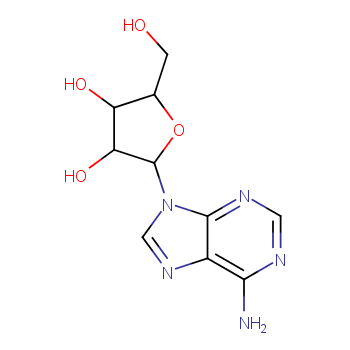
The molecular formula of Vidarabine is C10H13N5O4, with the arrangement of these atoms and the formation of chemical bonds determining its chemical properties and biological activity. The core of Vidarabine is a nucleoside analogue, composed of the purine base (adenine) combined with the ribose sugar moiety. Crucially, substituting ribose with arabinose distinguishes Vidarabine from natural adenosine, imparting its unique pharmacological properties. This structural modification plays a crucial role in the mechanism of action of Vidarabine, particularly in its antiviral activity by disrupting viral DNA synthesis.
In pharmacology, understanding the relationship between structure and function is crucial, as subtle changes in molecular structure profoundly affect the efficacy, safety, and specificity of drugs. Insights gained from studying the structure of Vidarabine lay the foundation for rational drug design and development, facilitating the synthesis of novel nucleoside analogues with enhanced pharmacological characteristics. By leveraging structure-activity relationships, researchers can tailor drug molecules to target specific viral pathogens while minimizing off-target effects.
Research into the structure-function relationship of Vidarabine provides vital references for drug design and development. For example, optimizing the structure of Vidarabine can enhance its efficacy and safety. Additionally, by modifying the structure of Vidarabine, novel antiviral drugs targeting different viral infections can be developed.
Vidarabine holds significant clinical significance in treating viral infections, particularly herpes simplex and varicella-zoster infections, demonstrating its medical versatility and therapeutic efficacy. Its application in these conditions stems from its potent antiviral activity, primarily targeting viral DNA synthesis and replication. In patients with herpes simplex, Vidarabine has shown remarkable effects in reducing the severity and duration of recurrent herpes, alleviating symptoms such as painful lesions.
Vidarabine belongs to the class of nucleoside antiviral drugs, exhibiting broad-spectrum antiviral activity. It is most potent against herpes simplex and varicella-zoster viruses, followed by varicella-zoster virus, vaccinia virus, and hepatitis B virus. Additionally, it is effective against adenovirus, pseudorabies virus, and some RNA tumor viruses. Vidarabine serves as a primary raw material in the pharmaceutical industry for manufacturing drugs such as monophosphate vidarabine, adenosine triphosphate, coenzymes, fludarabine, and cyclic adenosine monophosphate. Vidarabine mechanism of action revolves around disrupting virus DNA synthesis and replication, emphasizing its therapeutic efficacy in alleviating symptoms and shortening the course of viral infections. Understanding the pharmacological properties of vidarabine is crucial for optimizing its use, tailoring treatment plans, and minimizing adverse reactions. Moreover, this knowledge paves the way for developing novel antiviral therapies with enhanced efficacy and specificity. Encouragement for further research and exploration in this field is expected to advance our understanding of viral pathogenesis and facilitate the discovery of innovative treatment modalities.
[1] Yang Y, Li H, Zhu M, et al. Effect of PDCA cycle management on the rational use of vidarabine[J]. Clinical Rational Drug Use, 2023, 16(26): 137-140. DOI:10.15887/j.cnki.13-1389/r.2023.26.037.
[2] Wang X, Ou Y, Zhang S, et al. Research progress on the preparation method of vidarabine[J]. Chemical Bulletin, 2022, 85(03): 309-316. DOI:10.14159/j.cnki.0441-3776.2022.03.002.
[3] Feng K. Research on the synthesis of vidarabine by microbial transformation[D]. Dalian University of Technology, 2012.
[4]https://en.wikipedia.org/wiki/Vidarabine
 |
|



 3YRS
3YRS