
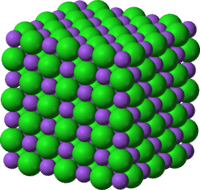
Nickel oxide, an inorganic compound with the chemical formula NiO, is a greenish crystalline powder. Nickel oxide (NiO) is an important transition metal oxide with a cubic lattice structure. Due to its potential uses in various applications, it has attracted increasing attention, including applications such as catalysts, battery cathodes, gas sensors, electrochromic films, and magnetic materials. Nickel oxide is also widely used in dye-sensitized photoelectrodes. It demonstrates anodic electrochromism, excellent durability and electrochemical stability, high spin optical density, and various manufacturing possibilities. Additionally, due to its low material cost as an ion storage material, NiO semiconductors have become an exciting topic in new research areas.
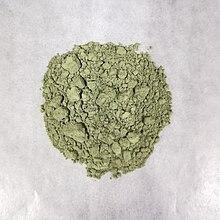
What is nickel oxide used for? Nickel oxide is a multifunctional semiconductor material with several excellent properties, including gas sensitivity, optical and electrical properties, and thermoelectric characteristics, making it widely used in ceramics, construction, chemical industries, and electronic devices.
Compared to supercapacitors, which offer greater energy storage capacity than conventional capacitors, they also have higher power density and longer lifespans while performing better in environmental protection and energy efficiency. Among metal oxide materials, nickel oxide is of significant interest due to its higher theoretical specific capacitance, lower cost, and reduced pollution. NiO grains produced during processing have a smaller size and larger specific surface area, allowing for more effective contact with active materials and electrolytes, thereby enhancing the material's electrochemical performance and overall utilization efficiency.
As a gas-sensitive material, p-type semiconductors typically have an easier time increasing their resistance compared to n-type semiconductors when gas concentration rises. Nickel oxide (NiO) is a typical p-type semiconductor; when gas molecules adsorb onto its surface, they cause the NiO surface energy bands to bend and significantly alter its resistivity. The resistance change is converted into an electrical signal by an amplifier, enabling the detection, monitoring, and alarming of target gases. The larger the specific surface area of nickel oxide, the higher its sensitivity and response speed to gases. Therefore, developing nickel oxide materials with smaller sizes but larger specific surface areas has become an important direction in gas-sensitive material research.
Due to its unique 3d electronic structure and Ni2+ vacancies, nickel oxide exhibits excellent electronic blocking characteristics and hole transport capabilities, making it widely used in organic optoelectronic devices. Nanostructured nickel oxide thin films significantly enhance the performance of solar cells. Its inherent good transparency also contributes to the stability of photovoltaic devices and external quantum efficiency.
NiO is a wide-bandgap semiconductor with excellent ultraviolet light absorption, demonstrating potential as a photocatalytic material. By combining with n-type semiconductors, the light absorption range of NiO can be altered, enabling it to perform photocatalytic reactions using sunlight. Currently, using NiO as a p-type semiconductor in hydrogen production, pollutant degradation in wastewater, and CO2 reduction for environmental and energy issues is a viable method.
Green-synthesized NiO nanoparticles have shown significant antibacterial, antioxidant, anticancer, and anti-inflammatory properties, making them promising tools for biomedical applications. Research has found that NiO nanoparticles exhibit bactericidal activity against many fungal strains. Several studies have described the anticancer activity of green-synthesized NiO nanoparticles, including cytotoxicity studies against HT-29, MCF-7, HepG2, A549, and HeLa cancer cell lines. Additionally, these nanoparticles show excellent antiparasitic performance against Leishmania tropica. Other studies have revealed the anti-diabetic, anti-inflammatory, and antioxidant properties of NiO nanoparticles. Biocompatibility tests on freshly isolated macrophages and red blood cells have shown that they are safe at lower concentrations. NiO nanoparticles exhibit toxicity to various microorganisms and cancer cell lines by generating excessive reactive oxygen species (ROS) and releasing nickel (II) ions, which lead to cell apoptosis.
Evidence suggests that exposure to nickel particles can lead to adverse effects such as skin allergies, pulmonary fibrosis, and lung cancer. Numerous experiments, epidemiological studies, and reviews have also indicated that metallic nickel and nickel compounds have carcinogenic properties in their fine states. Based on this evidence, IARC classifies nickel compounds as Group 1: Carcinogenic to humans, while metallic nickel is classified as Group 2B: Possibly carcinogenic to humans. Nickel oxide nanoparticles (NiO-NPs) possess unique properties compared to bulk nickel oxide (NiO-Bulk) and can be used to promote innovative industrial applications. Recent reports have indicated that NiO-NPs can be easily delivered into biological systems, causing cytotoxicity and genotoxicity.
Nickel oxide (CAS number 1313-99-1) is recognized as a hazardous substance and classified as a Group 1 carcinogen. In Australia’s Hazardous Substances Information System (HSIS), its risk warning is "Inhalation may cause cancer" (T; R49). The International Agency for Research on Cancer (IARC) lists nickel compounds as "Carcinogenic to humans" (Group 1). The compound may affect the lungs and nasal mucosa, with inhalation of its dust posing cancer risks. The occupational exposure limit (TLV) is: the inhalable fraction concentration of nickel should not exceed 0.2 mg/m3, calculated as a time-weighted average (TWA); and it is classified as A1 (confirmed human carcinogen). Additionally, nickel oxide poses potential hazards to aquatic life.
Nickel oxide shows extensive application prospects in fields such as supercapacitors and gas-sensitive materials due to its excellent electrochemical performance. Its high specific capacitance and low cost make it an important candidate material in battery technology. However, the toxicity issues of nickel oxide cannot be ignored, especially since it is classified as a Group 1 carcinogen, posing risks to human health and the environment. Therefore, strict safety and environmental protection measures must be implemented during the use and handling of nickel oxide to ensure the safety and sustainability of its applications.
[9] https://www.industrialchemicals.gov.au/sites/default/files/Nickel%20oxide_Human%20health%20tier %20II%20assessment.pdf
|
 |



 6YRS
6YRS


