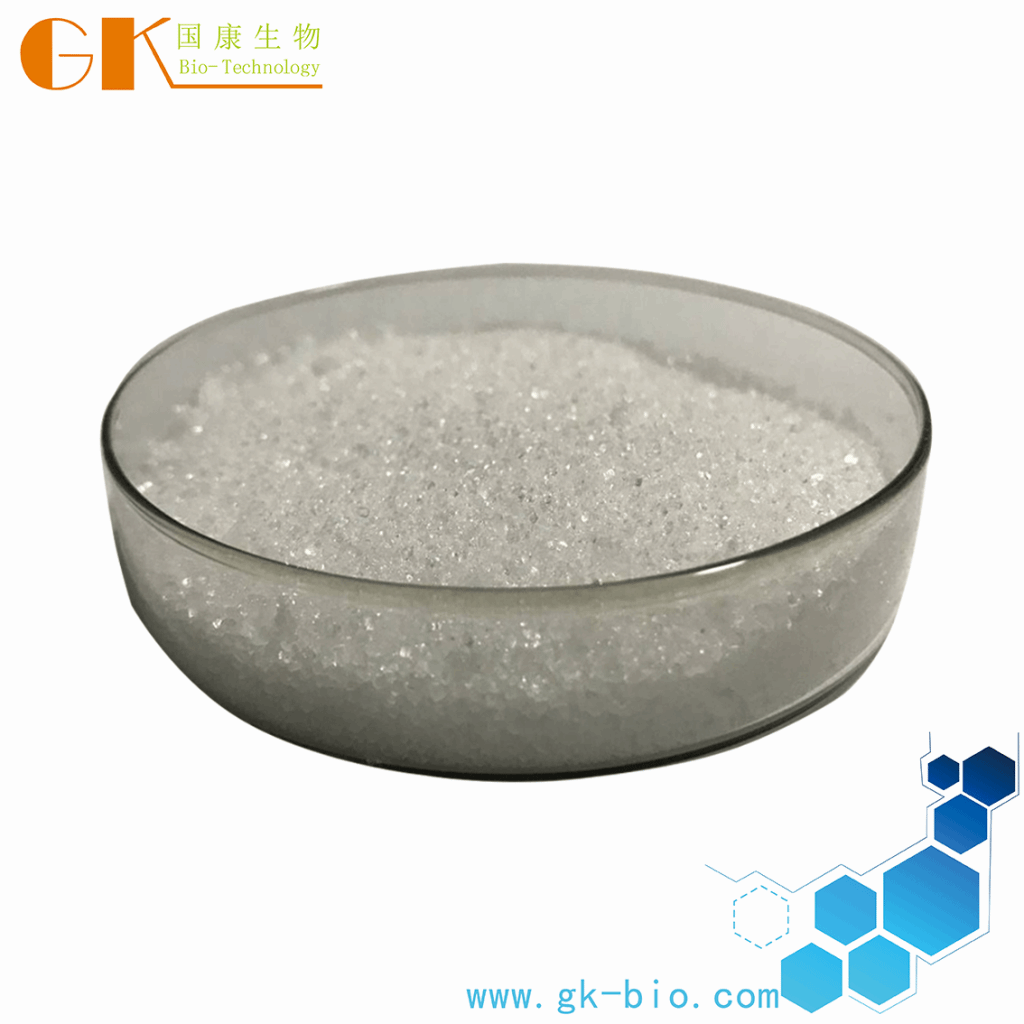
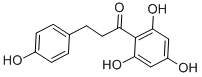
Phloretin (PHL), with a molecular structure of 3-(4-hydroxyphenyl)-1-(2,4,6-trihydroxyphenyl)-1-propanone and a molecular weight of 274.2686, is metabolized and absorbed in the human intestine, exerting beneficial effects on human health. PHL appears as a powder, ranging from light yellow to pure white, soluble in methanol, ethanol, and acetone, but almost insoluble in water. It is extracted from the peel and root bark of fruits such as apples. What is phloretin made of? Phloretin is a plant extract typically derived from the roots of certain plants such as ginseng and angelica. Its biological activities include anti-apoptotic, antioxidant, anti-inflammatory properties, promoting adipocyte differentiation, and anti-aging effects on the skin. Additionally, PHL exhibits antibacterial and anticancer properties.

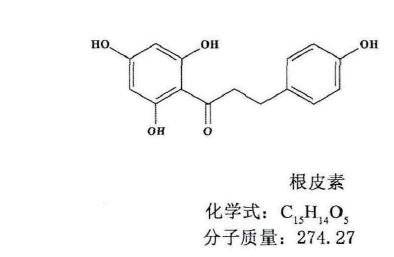
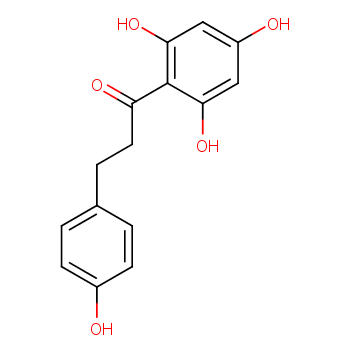
What class of chemical is phloretin? Phloretin (phloretin, PHL) has a molecular structure of 3-(4-hydroxyphenyl)-1-(2,4,6-trihydroxyphenyl)-1-propanone, with a molecular weight of 274.2686. Metabolized and absorbed in the human intestine, it can have beneficial effects on human health. PHL is a powder, ranging from light yellow to pure white; soluble in methanol, ethanol, and acetone, and almost insoluble in water. It is extracted from the peel and root bark of fruits such as apples. Phloretin is derived from plant extracts, typically sourced from the roots of certain plants such as ginseng and Angelica sinensis. Its biological activities include anti-apoptotic, antioxidant, anti-inflammatory, promotion of adipocyte differentiation, anti-aging of the skin, as well as antibacterial and anticancer effects. Its structure is shown in the figure below:
Is phloretin an antioxidant? Phloretin is indeed a highly effective antioxidant, exhibiting significant efficacy in neutralizing free radicals and combating oxidative stress. Its antioxidant properties stem from its ability to donate electrons to unstable molecules, thereby preventing cell damage caused by reactive oxygen species. Additionally, phloretin enhances the activity of endogenous antioxidants such as superoxide dismutase and catalase, further enhancing the skin's defense against oxidative stress. Through its multifaceted antioxidant mechanisms, phloretin helps maintain cellular integrity, promote collagen synthesis, and preserve skin health.
Phloretin's effectiveness in addressing oxidative stress extends beyond its antioxidant capacity, as it also possesses anti-inflammatory and photoprotective properties. By reducing inflammation and mitigating the effects of UV radiation, phloretin aids in alleviating skin damage and preventing premature aging. Moreover, studies indicate that phloretin can inhibit melanin production, making it a valuable ingredient in skincare formulations for addressing pigmentation issues and uneven skin tone. As an antioxidant, phloretin provides comprehensive protection against environmental aggressors, rendering it an indispensable component of any skincare regimen aimed at maintaining youthful, radiant skin.
Phloretin is abundant in various fruits and plants, making it easy to extract and utilize in skincare products and dietary supplements. Apples, especially apple peel, are one of the richest natural sources of phloretin. Other fruits such as pears, cherries, grapes, and strawberries also contain varying amounts of this potent antioxidant compound. Apart from fruits, certain plants like the root bark of apple trees and the leaves of pear trees also contain high concentrations of phloretin. These natural sources provide a sustainable and renewable reservoir of phloretin, allowing for its extraction and incorporation into a wide range of products.
Extracting phloretin from natural sources typically involves processes such as solvent extraction or supercritical fluid extraction, aiming to isolate and concentrate the compound from plant materials. Once extracted, phloretin can be purified and standardized for use in skincare formulations, dietary supplements, and medicines. With advancements in extraction techniques and increasing demand for natural antioxidants, phloretin has become increasingly accessible, enabling consumers to harness its myriad health and skincare benefits from various sources.
In the field of skincare, phloretin is gradually gaining prominence for its antioxidant and moisturizing functions, highly favored by consumers and manufacturers alike. The skincare phloretin uses primarily manifest in the following aspects:
(1) Antioxidant: Phloretin exhibits strong antioxidant capabilities, helping the skin resist damage from free radicals and delaying skin aging. Additionally, phloretin can inhibit UV-induced melanin secretion, thereby reducing issues like pigmentation and uneven skin tone.
(2) Moisturizing: Phloretin demonstrates excellent moisturizing effects, aiding in maintaining skin hydration and reducing the appearance of dryness and fine lines.
(3) Reducing Signs of Aging: Phloretin can help the skin maintain elasticity and firmness, reducing the appearance of sagging skin and wrinkles, thereby minimizing signs of aging.
(4) Skin Whitening: Phloretin acts as an effective enzyme inhibitor. Studies have shown that it inhibits melanocyte activity, lightening various skin blemishes. Its inhibition of tyrosinase demonstrates good efficacy, making it a safe and effective depigmenting agent. Research confirms phloretin's ability to inhibit tyrosinase both extracellularly and intracellularly. Due to its unique chemical structure, phloretin exhibits excellent cellular permeability, resulting in superior tyrosinase inhibition compared to kojic acid and arbutin. Clinical studies have validated phloretin's efficacy in skin whitening, laying the theoretical foundation for its further clinical applications and the development of whitening cosmetics in China.
Clinical trials and in vitro studies indicate that phloretin possesses potent antioxidant activity, capable of scavenging free radicals and reducing oxidative stress levels in cells and tissues. This antioxidant capacity is crucial for protecting cells from oxidative stress-induced damage, thereby reducing the risk of chronic diseases such as cardiovascular disease, diabetes, and cancer.
Furthermore, research suggests that phloretin possesses anti-inflammatory properties, contributing to its ability to alleviate inflammation-related conditions. By inhibiting pro-inflammatory pathways and cytokine production, phloretin helps regulate immune responses and reduce inflammation in the body. Clinical studies have provided evidence of phloretin's efficacy in treating inflammatory skin conditions such as acne and dermatitis, as well as its potential in preventing inflammation associated with chronic diseases.
The beneficial effects of phloretin extend beyond skincare to various aspects of health and wellness. Research indicates that phloretin possesses potent antioxidant and anti-inflammatory properties, which may contribute to its potential health benefits.
Reactive oxygen species and reactive nitrogen species produced in the body can lead to many diseases, such as cancer, cardiovascular diseases, and neurological disorders. What type of inhibitor is phloretin? Therefore, compounds with antioxidant activity are highly beneficial for human health. Phloretin is a flavonoid compound with a dihydrochalcone structure (an open-ring structure after hydrogenation) and four phenolic hydroxyl groups, endowing it with extremely potent antioxidant activity. Studies have shown that phloretin is an oxidative phosphorylation uncoupler and inhibitor. Research has found that it inhibits the oxidation processes of glutamate, succinate, and ascorbic acid in mitochondria. Due to the high levels of stress and various external factors such as UV and cosmic radiation, environmental pollution, pesticides, food additives, alcohol, and smoking, modern lifestyles disrupt metabolism in the body, resulting in an increase in free radicals and the body being in an oxidative stress state. Therefore, phloretin has great potential to be developed as an antioxidant health product, which may be beneficial to the body.
Phloretin also exhibits antibacterial properties, making it effective against certain bacterial and fungal infections. Additionally, research suggests that phloretin may possess anticancer properties, with studies indicating its potential to inhibit the growth of cancer cells and induce apoptosis or programmed cell death in cancer tissues.
Furthermore, phloretin has other biological functions, such as inhibiting long-chain fatty acid transport, and the function of adipose tissue is closely related to the occurrence of various metabolic diseases such as obesity, insulin resistance, and diabetes. Studies have shown that phloretin can lower fasting blood glucose levels and enhance glucose tolerance test tolerance to some extent in diabetic mice. Additionally, phloretin significantly promotes the protein expression levels of PI3k/Akt, GLUT4, Ap2, and FAT/CD36 in adipose tissue, promotes the differentiation and triglyceride uptake of fat cells through activating the PI3k/Akt signaling pathway. Research has shown that phloretin is a potential drug for the treatment of USA300 infections by inhibiting the production of α-hemolysin in the supernatant of USA300. It can be used in combination with antibiotics to provide a new option for the clinical treatment of methicillin-resistant Staphylococcus aureus infections and delay the development of MRSA resistance.
We have explored how phloretin plays a significant role in skincare and overall health, providing protection against oxidative stress and inflammation. As readers consider their skincare needs and health goals, we encourage them to actively explore the benefits of phloretin and its potential role in their daily lives. By incorporating products rich in phloretin or considering natural sources of this compound, individuals can enhance their skin health and overall well-being.
[1] Zhang Xiaohan. Comparative Study on the Effects of Phloretin and Phloridzin on Antioxidation [D]. Tianjin University of Science and Technology, 2020. DOI:10.27359/d.cnki.gtqgu.2020.000711.
[2] Xin Yanming, Zhang Bing. Protective Effect of Phloretin on Cerebral Ischemia-Reperfusion Injury and Research Progress [J]. Journal of Practical Medicine, 2017, 33(08): 1353-1354.
[3] Feng Tian, Wang Libin, Zhou Nan, et al. Research Progress of Phloretin [J]. Journal of Translational Medicine, 2017, 6(01): 42-46.
[4] https://www.ncbi.nlm.nih.gov/pmc/articles/PMC5758353/ -
[5] https://en.wikipedia.org/wiki/Phloretin
[6] https://pubmed.ncbi.nlm.nih.gov/30864525/
[7] https://pubmed.ncbi.nlm.nih.gov/32971088/
 |
|


 13YRS
13YRS