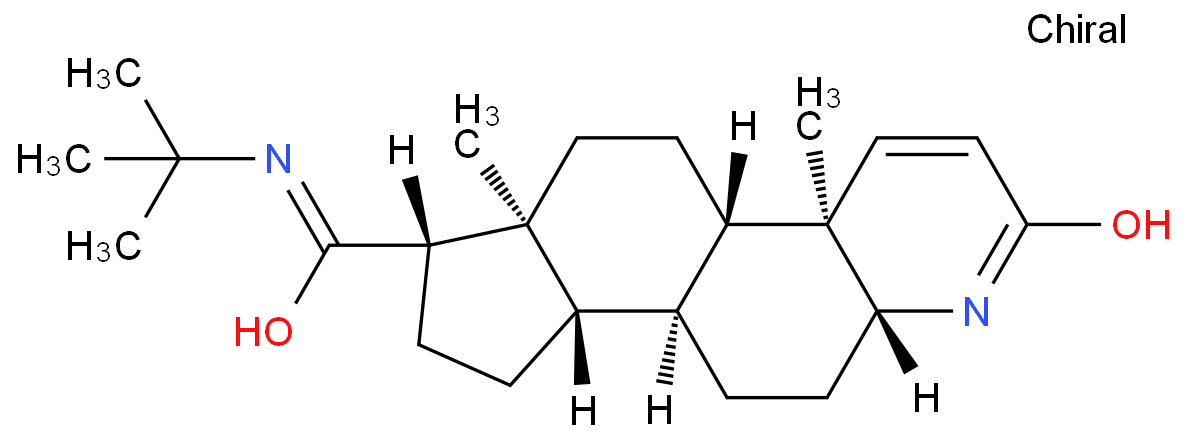
Finasteride, with the chemical formula C23H36N2O2 and CAS number 98319-26-7, is a medication primarily used to treat hair loss by inhibiting the enzyme that converts testosterone into dihydrotestosterone (DHT), a hormone responsible for hair follicle shrinkage.
Minoxidil, with the chemical formula C9H15N5O and CAS number 38304-91-5, is a topical solution that promotes hair regrowth by improving blood circulation to hair follicles, although it does not directly stop hair loss like Finasteride.
Finasteride and Minoxidil are two popular treatments for hair loss, but they operate in distinctly different ways. Finasteride works by blocking the production of DHT, a hormone that causes hair follicles to shrink, leading to hair loss. Minoxidil, on the other hand, helps regrow hair by stimulating hair follicles to grow thicker and faster, although it does not address the underlying cause of hair loss.


Both compounds are synthesized through advanced chemical methods, but their structures and mechanisms of action are distinctly different. Finasteride's steroid-like structure allows it to block the DHT pathway, whereas Minoxidil's vasodilatory properties help increase blood flow to the scalp.

Finasteride is widely used for the treatment of male pattern baldness (androgenetic alopecia). It works by inhibiting the enzyme 5-alpha reductase, which is responsible for converting testosterone into dihydrotestosterone (DHT), a hormone that causes hair follicle shrinkage and hair loss. By lowering DHT levels, Finasteride helps prevent further hair loss and can promote hair regrowth. The medication is typically taken orally, and many users begin to notice results after 3 to 6 months of consistent use. However, the effectiveness of Finasteride may vary depending on the stage of hair loss. It is generally most effective in individuals who are in the early to moderate stages of hair thinning, as it targets the hormonal cause of hair loss. Common side effects may include sexual dysfunction, but these are rare and typically reversible upon discontinuation.
For those considering options like oral minoxidil and finasteride, it is important to understand that while both treatments aim to combat hair loss, their mechanisms are different. Finasteride works by addressing the root cause of hair loss, blocking DHT, a hormone responsible for hair follicle shrinkage. On the other hand, minoxidil stimulates hair regrowth by increasing blood flow to the scalp, promoting healthier hair growth without affecting hormone levels.
Minoxidil is a topical solution that promotes hair regrowth by improving blood flow to hair follicles. It is commonly used in the treatment of both male and female pattern baldness and works by expanding blood vessels in the scalp, which increases the oxygen and nutrients supplied to the hair follicles, stimulating hair growth. While Minoxidil does not block DHT, it encourages follicular activity, resulting in thicker, stronger hair over time. It is available in both 2% and 5% concentrations and is typically applied twice daily to the scalp. The regrowth process can take several months, with visible results appearing after 3 to 6 months of use. Side effects may include scalp irritation, itching, and redness, but these are typically mild and temporary. Many users compare the effectiveness of oral minoxidil and finasteride, finding that both options are effective, though they work through different pathways.
Additionally, the combination of Finasteride vs Rogaine (another name for Minoxidil) is often recommended for enhanced results. While Finasteride can address the hormonal factors contributing to hair loss, Rogaine (Minoxidil) stimulates the scalp directly, providing a multifaceted approach to combat hair thinning. For best results, both treatments may be used together, as they complement each other, targeting hair loss from different angles.
Choosing between Finasteride vs Minoxidil ultimately depends on the individual's needs and the underlying cause of their hair loss. Finasteride is particularly effective for men who experience androgenetic alopecia due to high DHT levels. It works well for those in the early stages of hair loss who want to stop the progression and even reverse some thinning. On the other hand, Minoxidil is better suited for individuals looking to regrow hair and enhance follicular density, especially those in the early to mid-stages of hair thinning. For maximum benefit, some individuals opt for both oral minoxidil vs finasteride to tackle hair loss from multiple angles.
In conclusion, while both Finasteride and Minoxidil offer effective solutions for hair regrowth, they differ in their approach and benefits. Combining the two treatments, such as Finasteride and Rogaine, can provide more comprehensive hair loss prevention and regrowth.
| Side Effect |
Finasteride |
Minoxidil |
|---|---|---|
| Sexual Dysfunction | Rare, but possible, including decreased libido or erectile dysfunction | Rare, typically limited to scalp irritation |
| Hair Shedding | Unlikely, but some individuals may experience initial shedding before improvement | Common, temporary shedding during the first few weeks of use |
| Allergic Reactions | Rare, including rash or swelling | Rare, including scalp itching, redness, or dryness |
When deciding between Finasteride and Minoxidil for hair loss treatment, it is essential to understand how each works and how they may affect your health. Finasteride is an oral medication that works by inhibiting the conversion of testosterone to dihydrotestosterone (DHT), a hormone linked to hair loss. This helps prevent further hair thinning and promotes regrowth in some users. However, it may cause side effects such as sexual dysfunction or mood changes, and it is generally recommended for men.
On the other hand, Minoxidil is a topical solution or foam that stimulates hair follicles and promotes hair growth. It works by increasing blood flow to the scalp and is available over-the-counter. Minoxidil can be used by both men and women and typically has fewer systemic side effects than Finasteride. However, it may cause scalp irritation, and its effectiveness can vary between individuals.
Ultimately, the choice between Finasteride and Minoxidil depends on your personal health considerations and treatment preferences. If you are concerned about hair loss and prefer an oral treatment, Finasteride might be a good choice, but be aware of potential side effects. If you prefer a topical solution or need a treatment suitable for both men and women, Minoxidil may be the better option. Consulting with your healthcare provider can help you choose the best treatment for your specific needs.
*For the best results and to avoid unwanted side effects, it's essential to consult a healthcare provider who can guide you on the right choice between Finasteride and Minoxidil based on your individual health and goals.
If you're looking to purchase these compounds, Guidechem is your go-to platform for sourcing high-quality raw materials and reliable suppliers. With our extensive global network, we connect you to a wide range of Finasteride suppliers and Minoxidil suppliers, ensuring you find the right products to meet your specific research or production requirements. Whether you're in pharmaceuticals, food additives, or other industries, Guidechem simplifies the sourcing process, offering verified supplier information, competitive pricing, and seamless communication.
 |
 |
 |


 2YRS
2YRS