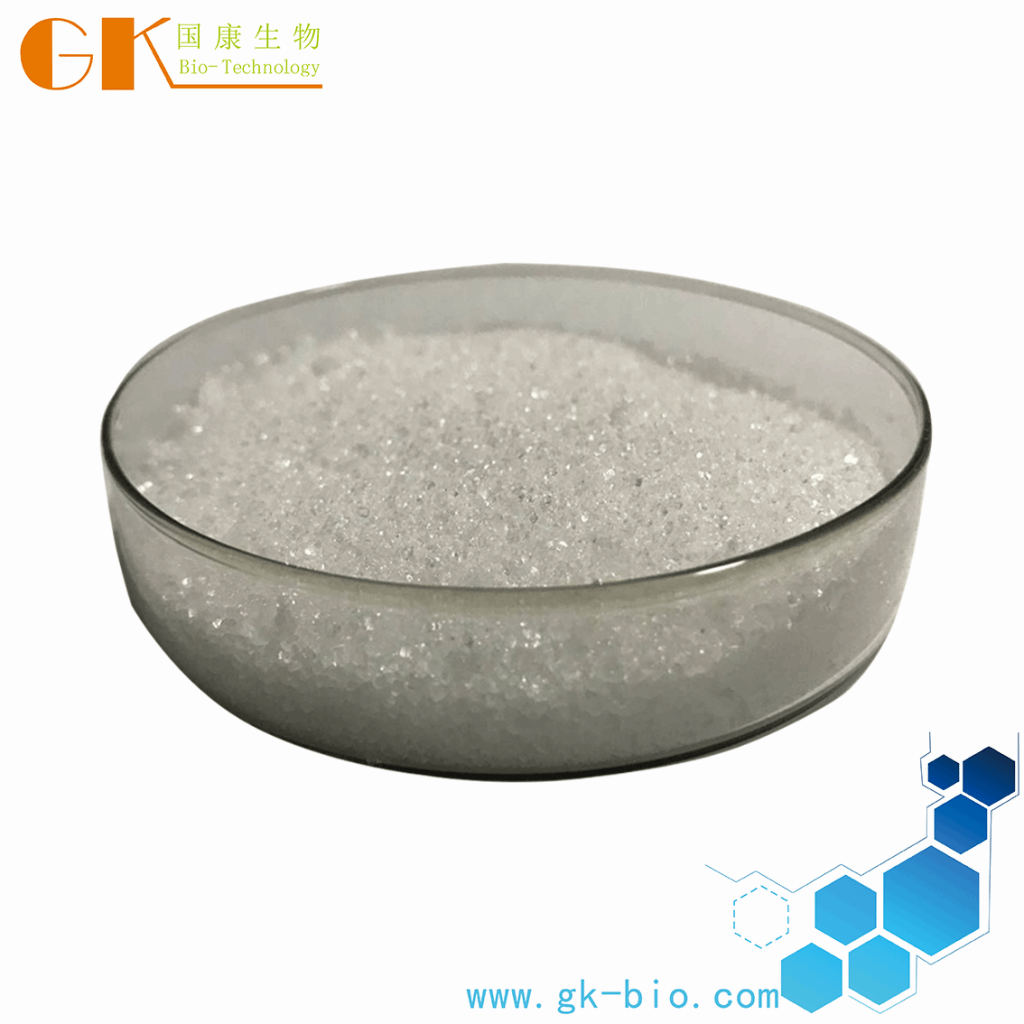
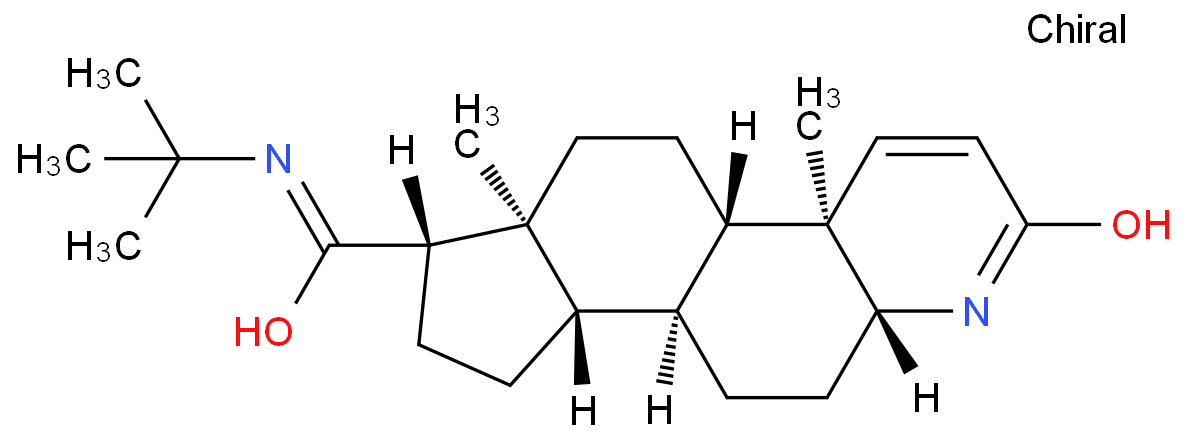
Finasteride, with the chemical formula C23H36N2O2 and CAS number 98319-26-7, is a 5-alpha-reductase enzyme inhibitor primarily used to treat androgenic alopecia in men. It is taken orally in tablet form, typically at a dose of 1 mg/day, and has proven effective in reducing hair loss and promoting hair regrowth by preventing the conversion of testosterone to dihydrotestosterone (DHT). However, it may cause side effects such as decreased libido, erectile dysfunction, and reduced ejaculate volume.
Procapil, on the other hand, is a topical hair growth complex formulated to address hair loss and strengthen hair follicles. It is composed of natural ingredients, including Biotinyl-GHK, oleanolic acid, and apigenin, which work together to stimulate scalp health and blood circulation. Commonly included in hair care products such as serums and shampoos, Procapil is well-tolerated with minimal side effects, making it a preferred choice for individuals seeking non-invasive hair loss solutions.
Finasteride and Procapil represent two distinct approaches to combating hair loss: one systemic and pharmaceutical, and the other topical and cosmetic. While Finasteride is effective for androgenic alopecia in men, Procapil is suitable for broader applications and safer for general use, including by women.

Both compounds involve advanced synthesis techniques, but Finasteride relies on chemical precision for systemic pharmacological activity, whereas Procapil emphasizes the natural sourcing of its ingredients for topical safety.

Finasteride is a widely recognized and highly effective treatment for androgenic alopecia (male pattern baldness), a condition primarily driven by the hormone dihydrotestosterone (DHT). DHT is a derivative of testosterone, and its accumulation around hair follicles can cause them to shrink, leading to thinning and eventual hair loss. Finasteride works by inhibiting the enzyme 5-alpha reductase, which is responsible for converting testosterone into DHT. By reducing DHT levels, Finasteride prevents further follicular miniaturization and helps stimulate the growth of thicker, stronger hair. Numerous clinical trials have demonstrated the drug's effectiveness, with consistent improvements in hair density and overall scalp coverage visible after approximately six months of daily use. This makes Finasteride one of the most trusted and widely prescribed treatments for male-pattern baldness, offering a reliable solution for those affected by this common condition.
Procapil is a cutting-edge, non-systemic solution designed to address hair loss through topical application. It combines a unique blend of active ingredients, including biotinyl-GHK, apigenin, and oleanolic acid, which work synergistically to strengthen hair follicles, improve scalp circulation, and enhance the overall health of the hair growth cycle. By targeting the scalp directly, Procapil nourishes the hair follicles and stimulates blood flow to the roots, promoting a healthier environment for hair to thrive. Additionally, Procapil is believed to help reduce premature greying by addressing oxidative stress in the scalp, an important factor in maintaining youthful-looking hair. Because Procapil does not affect the body’s systemic hormone levels, it is an appealing option for individuals seeking a natural, localized treatment that avoids the side effects commonly associated with oral medications like Finasteride.
Unlike more invasive treatments, Procapil is safe for prolonged use and can be easily integrated into daily hair care routines. It is suitable for both men and women and offers a gentle yet effective approach to managing hair loss. Many hair care products now combine Procapil with other well-known active ingredients, such as minoxidil, for a more comprehensive hair loss management solution. This combination can be especially beneficial for those dealing with advanced thinning or pattern baldness, as it targets multiple factors contributing to hair loss, from follicle weakening to scalp health. While Procapil’s effectiveness may vary among users, its non-systemic nature and compatibility with other treatments make it a popular choice for individuals seeking a less invasive, topical approach to addressing hair thinning.
In summary, Finasteride and Procapil serve different needs in hair loss management. Finasteride is ideal for men with androgenic alopecia, offering systemic efficacy but with potential side effects. Procapil provides a versatile, safer alternative suitable for broader demographics. The choice depends on individual hair loss patterns, safety preferences, and long-term goals.
| Side Effect |
Finasteride |
Procapil |
|---|---|---|
| Hormonal Effects | Can affect libido and erectile function | None reported |
| Pregnancy Risks | Not safe for use by women, especially pregnant ones | Safe for all genders |
| Long-Term Safety | Requires monitoring due to hormonal effects | No significant long-term risks |
Choosing between Finasteride and Procapil depends on your specific hair care needs and overall health considerations. Finasteride is a proven oral medication with FDA approval for treating male pattern baldness and benign prostatic hyperplasia. Its systemic effects make it particularly effective for individuals experiencing widespread hair loss. However, potential side effects like decreased libido or other hormonal disruptions should be considered when deciding if Finasteride is the right option for you.
On the other hand, Procapil is a topical solution often incorporated into hair products. It works by enhancing scalp microcirculation and strengthening hair follicles, making it a non-invasive choice for those concerned about localized hair loss or those who wish to avoid systemic medications. Procapil generally has fewer side effects, but its effectiveness might be less pronounced in severe hair loss cases compared to Finasteride.
Ultimately, Finasteride is the preferred choice for individuals with significant hair loss requiring systemic intervention. Conversely, Procapil offers a safer and gentler alternative for early-stage or localized hair thinning. The decision should be tailored to your hair restoration goals, side effect tolerance, and overall health profile.
*For the best results and to ensure safe usage, consult a dermatologist or healthcare provider, who can recommend the most suitable treatment based on your specific condition and health history.
If you're looking to purchase these compounds, Guidechem is your go-to platform for sourcing high-quality raw materials and reliable suppliers. With our extensive global network, we connect you to a wide range of Finasteride suppliers, ensuring you find the right products to meet your specific research or production requirements. Whether you're in pharmaceuticals, food additives, or other industries, Guidechem simplifies the sourcing process, offering verified supplier information, competitive pricing, and seamless communication.
[1]The Role of 5-alpha-reductase Inhibitors in Hair Loss Treatment by J. L. Thompson.
[2]Procapil: A Comprehensive Guide to Hair Loss Management in Journal of Cosmetic Science.
[3]Mechanisms of Androgenic Alopecia by P. K. Smith.
[4]Advances in Topical Hair Loss Solutions in Dermatology Research and Practice.
 |
|
 |


 2YRS
2YRS