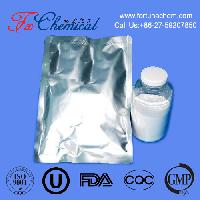
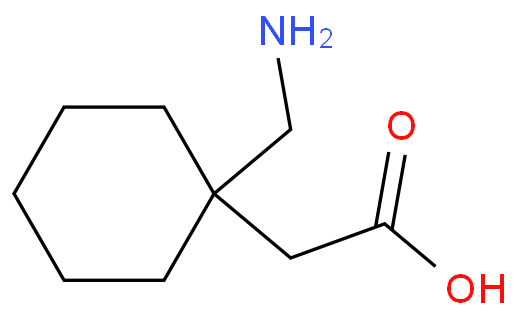
Gabapentin, with the chemical formula C9H17NO2 and CAS number 60142-96-3, is a medication commonly used for treating conditions like neuropathic pain and seizures. It works by mimicking the activity of GABA, a neurotransmitter in the brain that reduces neuronal excitability, resulting in a calming effect on the nervous system.
Hydroxyzine, with the chemical formula C21H27ClN2O2 and CAS number 68-88-2, is a first-generation antihistamine often used to treat allergic reactions. It also has sedative properties, which makes it effective in managing stress, anxiety, and sleep disorders.
Gabapentin and Hydroxyzine are both medications with sedative effects, but they differ in their primary uses and mechanisms of action. Hydroxyzine is typically used for allergy relief and as an anxiolytic, while Gabapentin is mainly prescribed for neuropathic pain, seizures, and off-label for anxiety. Both can aid in managing anxiety, but their chemical properties and specific effects vary significantly.


Both compounds are synthesized through reactions involving organic chemistry principles. The key difference lies in the starting materials and the complexity of their respective synthesis routes—Gabapentin being a more complex compound requiring multiple steps, while Hydroxyzine's synthesis is relatively straightforward.
Gabapentin and Hydroxyzine both offer therapeutic benefits for anxiety management, but they differ significantly in their mechanisms of action, primary uses, and the types of patients they are best suited for. While Gabapentin is traditionally prescribed for nerve-related conditions such as neuropathic pain and seizures, it has gained recognition for its off-label use in treating anxiety, particularly in patients who have not found relief with conventional treatments like SSRIs or SNRIs. On the other hand, Hydroxyzine, a first-generation antihistamine, has a well-established role in managing acute anxiety episodes, particularly for patients who need immediate relief or are unable to tolerate other medications.

Gabapentin's ability to alleviate anxiety stems from its action on the brain's GABAergic system. By enhancing GABA (gamma-aminobutyric acid) activity, Gabapentin reduces excessive neuronal excitability, which can contribute to feelings of anxiety. For patients with anxiety that is associated with neuropathic pain, such as those with conditions like fibromyalgia or diabetic neuropathy, Gabapentin can be particularly beneficial. This is because it not only addresses the underlying pain but also helps manage the anxiety that often accompanies chronic discomfort. Additionally, Gabapentin is often used for individuals who experience partial responses to traditional anxiety treatments, especially when SSRIs or SNRIs alone are not fully effective.
One of the key advantages of Gabapentin in anxiety management is its calming effect, which helps reduce anxiety-related symptoms such as restlessness and sleep disturbances. Its ability to inhibit excitatory neurotransmitter release further contributes to its sedative effects, promoting relaxation and improving sleep quality. This makes it a viable option for patients whose anxiety manifests as part of a broader neurological condition, providing dual relief from both pain and anxiety.
Hydroxyzine works differently from Gabapentin, providing a rapid onset of relief through its sedative properties. As a first-generation antihistamine, Hydroxyzine blocks histamine receptors in the brain, leading to a calming effect on the central nervous system. This mechanism is particularly helpful in situations where immediate relief is needed, such as acute anxiety episodes or panic attacks. Hydroxyzine is often prescribed for short-term use to manage anxiety symptoms that arise suddenly or in stressful situations, such as before medical procedures or during a period of heightened emotional distress.
Hydroxyzine’s versatility also makes it an attractive option for patients who suffer from both anxiety and allergies. In addition to its sedative properties, it is effective in treating allergic reactions, providing relief from symptoms like itching, sneezing, or rashes. This dual benefit can be particularly useful for individuals who experience co-occurring anxiety and allergic conditions, making Hydroxyzine a multifaceted treatment option. Unlike benzodiazepines, which can carry a risk of dependence and sedation, Hydroxyzine offers a safer alternative for those who need quick, short-term anxiety relief without the potential for abuse or addiction.
In conclusion, both Gabapentin and Hydroxyzine offer valuable therapeutic options for anxiety management, but they are best suited for different patient needs and types of anxiety. Gabapentin is particularly effective for individuals with anxiety that stems from neurological conditions, offering relief from both anxiety and associated symptoms like chronic pain and sleep disturbances. It is also a useful alternative for patients who have not responded adequately to traditional anxiety medications. On the other hand, Hydroxyzine is ideal for individuals who need rapid relief from acute anxiety episodes or panic attacks, particularly when short-term sedation is required. The choice between Gabapentin and Hydroxyzine will depend on the specific medical needs of the patient, the underlying cause of their anxiety, and the desired speed and duration of relief.
| Side Effect |
Gabapentin |
Hydroxyzine |
|---|---|---|
| Drowsiness | Common, can cause daytime drowsiness and fatigue | Common, may cause sedation or drowsiness |
| Dizziness | Possible, may cause dizziness or lightheadedness | Possible, can cause dizziness or lightheadedness |
| Drug Interactions | May interact with other sedatives or anticonvulsants | May interact with other CNS depressants or alcohol |
| Dependency | Low risk, but potential for misuse in some cases | Low risk of dependency, used for short-term relief |
| Gastrointestinal Issues | Rare, may cause nausea or stomach upset | Common, may cause dry mouth or constipation |
When choosing between Gabapentin and Hydroxyzine for anxiety treatment, it’s crucial to evaluate your specific health needs and the potential for side effects. Gabapentin is primarily used for neuropathic pain and seizures, but it has been found effective in managing anxiety, especially in individuals with chronic pain or other neurological conditions. It works by modulating the brain’s excitatory neurotransmitters, which can have a calming effect. Gabapentin’s long-term use may be appropriate for patients who need ongoing management for anxiety, particularly those with additional health concerns such as nerve pain.
On the other hand, Hydroxyzine is an antihistamine with sedative properties, often used for short-term relief of anxiety symptoms. It can work quickly to calm the nervous system and reduce the physical symptoms of anxiety, such as restlessness and tension. Hydroxyzine is typically used in acute situations, like when rapid relief is needed, but it’s not usually recommended for long-term anxiety management. While it may be effective in the short term, it can cause drowsiness and is not ideal for individuals needing a non-sedative solution.
Ultimately, if you're looking for a medication that provides long-term relief from anxiety with additional therapeutic benefits, Gabapentin is the superior option. It can manage anxiety alongside other chronic conditions. However, if you need quick relief for occasional anxiety or prefer a more immediate effect, Hydroxyzine may be a better fit. Keep in mind that both medications have side effects, so it’s important to work with your healthcare provider to find the most suitable option for your health needs.
*For optimal results and to ensure that you are taking the appropriate medication and dosage, it is highly recommended to follow the guidance of your healthcare provider. They can help you determine the most suitable treatment plan based on your specific health requirements and any underlying medical conditions.
If you're looking to purchase these compounds, Guidechem is your go-to platform for sourcing high-quality raw materials and reliable suppliers. With our extensive global network, we connect you to a wide range of Gabapentin suppliers and Hydroxyzine suppliers, ensuring you find the right products to meet your specific research or production requirements. Whether you're in pharmaceuticals, food additives, or other industries, Guidechem simplifies the sourcing process, offering verified supplier information, competitive pricing, and seamless communication.
 |
 |
 |



 2YRS
2YRS