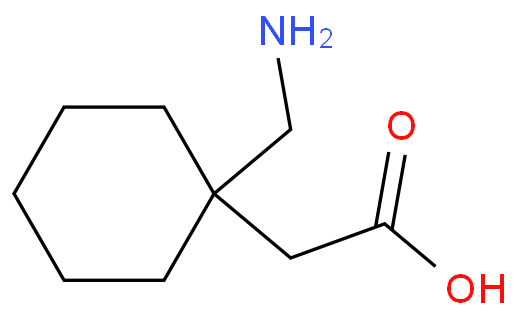
Gabapentin, with the chemical formula C9H17NO2 and CAS number 60142-96-3, is a medication primarily used to treat nerve pain and seizures. It is also sometimes prescribed off-label for conditions like anxiety and depression due to its calming effects on the nervous system.
Lamotrigine (brand name Lamictal), with the chemical formula C9H7Cl2N5 and CAS number 84057-84-1, is a medication used to treat epilepsy and stabilize mood in bipolar disorder. Lamotrigine is often used in combination with other medications to control seizures, and the immediate-release formulation is sometimes prescribed for the management of bipolar disorder. Lamotrigine can cause serious skin reactions like rash, which requires close monitoring.
Gabapentin and Lamictal are both medications that have shown effectiveness in treating neurological conditions and mood disorders. However, they have different mechanisms of action, and their uses for anxiety and depression vary significantly. Gabapentin is more commonly prescribed for anxiety and depression, particularly when these conditions are accompanied by neuropathic pain, whereas Lamotrigine is primarily used for mood stabilization in bipolar disorder and seizure management.


Both Gabapentin and Lamotrigine are complex organic compounds synthesized using different chemical processes, reflecting their distinct therapeutic roles. Gabapentin’s synthesis involves straightforward reactions to form its core structure, while Lamotrigine requires a more intricate process due to its specialized role in neurological therapy.
Gabapentin and Lamotrigine are two medications commonly used to treat conditions involving the nervous system, but their applications differ significantly in clinical practice. Gabapentin is widely prescribed off-label for its anxiolytic (anxiety-reducing) and antidepressant effects, while Lamotrigine is mainly employed as a mood stabilizer in bipolar disorder and as an anticonvulsant in the treatment of epilepsy. Both medications, though distinct in their primary indications, offer valuable therapeutic effects in managing mental health conditions, but their mechanisms and outcomes vary.

Gabapentin, originally developed to treat epilepsy, is increasingly recognized for its effectiveness in treating anxiety disorders, particularly generalized anxiety disorder (GAD) and social anxiety disorder. The drug works by modulating the activity of neurotransmitters, particularly by inhibiting the release of excitatory neurotransmitters like glutamate. This results in calming overactive nerve signals, which can alleviate symptoms of anxiety such as excessive worry, restlessness, irritability, and difficulty concentrating.
Gabapentin has also shown promise in addressing depression, especially when it co-occurs with conditions such as nerve pain or fibromyalgia, which are often linked to mood disorders. Many individuals with chronic pain, such as that associated with fibromyalgia, also experience anxiety or depression, making Gabapentin a dual-purpose medication. Its calming effects on the central nervous system make it an ideal option for patients who experience both chronic pain and mental health symptoms. By relieving nerve pain, Gabapentin may simultaneously help improve mood, reduce stress, and alleviate the emotional burden associated with physical discomfort.
Despite its benefits, Gabapentin is not without its challenges. Its side effects, including dizziness, fatigue, and sleepiness, can be bothersome for some patients. These effects may interfere with daily functioning, particularly in those who need to maintain a high level of alertness. Because of these potential issues, careful dose adjustments and monitoring are essential, especially when using Gabapentin for extended periods. Additionally, the risk of developing dependence or tolerance with long-term use should be considered, especially in individuals with a history of substance abuse.
Lamotrigine is primarily prescribed for the long-term management of bipolar disorder, where it serves as an effective mood stabilizer. Unlike other mood stabilizers that are more likely to trigger manic episodes, Lamotrigine is particularly noted for its ability to prevent depressive episodes in bipolar disorder. It does so by inhibiting the release of glutamate, a neurotransmitter that is involved in mood regulation, and balancing the excitatory and inhibitory signals in the brain. This makes it an ideal medication for preventing the depressive cycles in bipolar disorder while minimizing the risk of triggering mania, a common concern with other treatments like lithium or valproate.
Though Lamotrigine is not typically used as a first-line treatment for anxiety or general depression, its mood-stabilizing properties can indirectly benefit individuals who experience anxiety as part of their mood fluctuations. For example, some patients with bipolar disorder may also suffer from anxiety, which can be exacerbated by the frequent mood swings associated with their condition. By stabilizing mood and reducing the frequency of depressive episodes, Lamotrigine may also help alleviate anxiety symptoms, creating a more balanced emotional state for the patient.
Lamotrigine is generally well tolerated and considered safer than other mood stabilizers with regard to long-term use, but it does come with certain risks. The most concerning side effect is the potential for severe skin reactions, including a potentially fatal rash known as Stevens-Johnson syndrome. This requires careful dose titration when starting treatment, and patients must be closely monitored during the initial stages of therapy. Despite these risks, Lamotrigine’s efficacy and relatively favorable side effect profile make it a preferred option for many individuals with bipolar disorder, especially those who are more prone to depressive episodes.
This article addresses questions about Gabapentin vs Lamictal for Anxiety and Depression. In conclusion, Gabapentin and Lamotrigine serve different roles in the treatment of anxiety, depression, and other neurological conditions. Gabapentin is more commonly prescribed for anxiety and depression, especially when these disorders are accompanied by nerve pain. Lamotrigine, on the other hand, is primarily used for stabilizing mood in bipolar disorder and preventing seizures. Both medications can offer significant benefits, but their suitability depends on the specific needs and medical history of the patient.
| Side Effect |
Gabapentin |
Lamictal |
|---|---|---|
| Dizziness | Common, especially when starting the medication | Possible, especially during dose escalation |
| Rash | Rare, but may occur in sensitive individuals | Serious, including life-threatening rash |
| Risk of Suicidal Thoughts | Increased risk, particularly for mood disorders | Possible, though less common |
| Need for Dose Adjustment | Common, especially when used for nerve pain | Essential to prevent toxicity, particularly with rapid increases in dose |
When deciding between Gabapentin and Lamictal for anxiety and depression, the choice largely depends on your specific medical needs and conditions. Gabapentin is often preferred for individuals who experience anxiety alongside nerve pain, as it effectively alleviates both issues. Its calming effects on the nervous system make it a favorable option for those with generalized anxiety disorder or social anxiety, especially when associated with chronic pain. Gabapentin is generally well-tolerated, but it can cause side effects such as dizziness, drowsiness, and coordination problems, which might make it unsuitable for people with certain health conditions or those who need to remain alert.
On the other hand, Lamotrigine (Lamictal) is primarily used for mood stabilization in bipolar disorder and seizure control. While it is not typically prescribed for general anxiety or depression, its ability to stabilize mood and prevent depressive episodes in bipolar disorder can indirectly benefit individuals who experience anxiety due to mood swings. Lamotrigine’s side effects, such as the risk of serious skin reactions (including a potentially fatal rash), require careful monitoring, particularly during dose escalation. It is generally better suited for long-term management of mood disorders rather than as a first-line treatment for anxiety or depression alone.
Ultimately, if you are seeking effective treatment for anxiety and depression alongside chronic nerve pain, Gabapentin is the superior choice. However, if you are dealing with mood disorders such as bipolar depression and need a mood stabilizer, Lamotrigine offers a better solution, though it requires more careful management due to potential severe side effects.
*For optimal results and to ensure that you are taking the appropriate medication based on your specific health needs, it is highly recommended to follow the guidance of your healthcare provider. They can help you determine the most suitable medication based on your medical history and current condition.
If you're looking to purchase these compounds, Guidechem is your go-to platform for sourcing high-quality raw materials and reliable compound suppliers. With our extensive global network, we connect you to a wide range of Gabapentin suppliers and Lamictal suppliers, ensuring you find the right products to meet your specific research or production requirements. Whether you're in pharmaceuticals, food additives, or other industries, Guidechem simplifies the sourcing process, offering verified supplier information, competitive pricing, and seamless communication.
[1]Gabapentin and its Use in the Treatment of Anxiety by D. L. Harris.
[2]Lamotrigine in Bipolar Disorder: A Review of the Literature by A. K. Smith.
[3]Comparing Anticonvulsants for Psychiatric Disorders in Journal of Clinical Psychiatry.
[4]Safety Profile of Gabapentin in Drug Safety.
 |
 |
|



 2YRS
2YRS