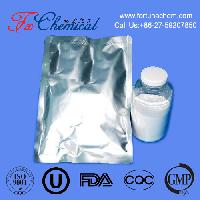
Methocarbamol, with the chemical formula C11H15NO5 and CAS number 532-03-6, is a skeletal muscle relaxant commonly used to relieve muscle pain and discomfort. It works by depressing the central nervous system, helping to reduce muscle spasms and discomfort.
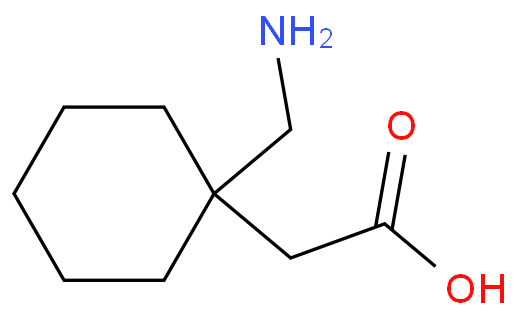
Gabapentin, with the chemical formula C9H17NO2 and CAS number 60142-96-3, is an anticonvulsant and analgesic medication that is used to treat certain types of seizure disorders and nerve pain. It is particularly effective for conditions like neuropathic pain and restless leg syndrome.
Methocarbamol and Gabapentin are both widely used in the medical field for different purposes, with each offering unique benefits and uses. Methocarbamol is primarily a muscle relaxant, while Gabapentin is used for nerve pain and seizure disorders. The key difference between the two lies in their primary uses—Methocarbamol is more focused on musculoskeletal issues, while Gabapentin is beneficial for nerve-related pain and seizures.


Both Methocarbamol and Gabapentin involve intricate chemical reactions, but their synthesis processes differ in terms of the starting materials and the specific steps required to form the active compounds. Methocarbamol is synthesized through reactions that focus on the formation of the carbamate group, while Gabapentin's synthesis is based on the creation of a GABA analog, emphasizing the modification of amino acids and other molecular structures.
Methocarbamol and Gabapentin are both widely prescribed medications for their therapeutic effects, but they serve distinct purposes due to their different mechanisms of action. While Methocarbamol is primarily used for musculoskeletal pain and muscle spasms, Gabapentin is more commonly used for nerve pain and seizure management. Understanding the unique applications of these drugs is essential for determining the appropriate treatment for specific health conditions.

Methocarbamol is a central nervous system (CNS) depressant that works as a muscle relaxant. It is primarily prescribed to treat musculoskeletal pain and muscle spasms, particularly when other treatments, such as physical therapy or over-the-counter pain relievers, have failed to provide sufficient relief. Methocarbamol helps to alleviate muscle spasms by acting on the CNS, which reduces the frequency and severity of spasms. This makes it an essential option for individuals with conditions such as back pain, neck pain, fibromyalgia, and certain acute injuries where muscle spasms are a primary concern.
Methocarbamol is generally administered orally, with patients taking the medication 3 to 4 times a day, depending on the severity of their condition. For more severe cases, it may be given as an injectable in hospital settings. One of the key advantages of Methocarbamol is its relatively mild side effect profile compared to other muscle relaxants, making it a common first-line treatment.
Beyond its direct action on muscle spasms, Methocarbamol is often used as part of a comprehensive treatment plan that may include rest, physical therapy, and other supportive measures. Its calming effect on the CNS not only alleviates pain caused by muscle spasms but also helps to reduce inflammation, thus enhancing overall recovery. Importantly, Methocarbamol has a lower incidence of gastrointestinal irritation compared to other muscle relaxants, making it a gentler option for those concerned about digestive issues.
However, Methocarbamol should be used with caution in specific populations, such as children and older adults. In children, the sedative effects can lead to increased risk of drowsiness, and in older adults, the drug may cause confusion or even cognitive impairment. Therefore, careful consideration is required when prescribing Methocarbamol, especially for vulnerable individuals who may be more sensitive to its sedative effects.
Gabapentin, a medication originally developed to treat epilepsy, has become a cornerstone in the treatment of neuropathic pain. It is most commonly prescribed for conditions where nerve damage is involved, such as diabetic neuropathy, postherpetic neuralgia (pain following shingles), and restless leg syndrome. Gabapentin works by inhibiting the transmission of nerve signals in the brain and spinal cord, particularly by blocking calcium channels involved in nerve cell excitation. This action helps to stabilize electrical activity in the brain and reduces the abnormal nerve firing that leads to pain or seizures.
Gabapentin is also widely used as an adjunct therapy for seizures, especially in patients with epilepsy. It helps to control and prevent seizure activity by affecting the electrical impulses in the brain. While it is primarily indicated for nerve pain and seizure management, its use has expanded to include anxiety disorders and even some forms of insomnia due to its sedative properties.
Gabapentin is taken orally, typically three times a day. It is available in various forms, including capsules, tablets, and a liquid solution, making it adaptable for patients with different needs, such as those who have difficulty swallowing pills. One of the key benefits of Gabapentin is its ability to treat nerve pain without the high risk of dependency or abuse, which is common with stronger opioid-based pain relievers.
Some people will ask about gabapentin vs robaxin. In fact, Methocarbamol, commonly marketed as Robaxin, is a medication designed for the short-term relief of musculoskeletal pain. Robaxin vs Gabapentin are both used to treat muscle pain, but Robaxin (methocarbamol) is a muscle relaxant, while Gabapentin is primarily used for nerve pain and seizures. Robaxin targets muscle spasms, whereas Gabapentin works on nerve-related discomfort.
In conclusion, Methocarbamol is best used for musculoskeletal pain and muscle spasms, providing relief for conditions like back pain and fibromyalgia. Its sedative effects, however, require careful use in certain populations. Gabapentin, on the other hand, is a first-line treatment for nerve-related pain and seizure disorders, offering effective relief for conditions like diabetic neuropathy and epilepsy. The choice between Methocarbamol and Gabapentin depends on the underlying condition being treated, as each medication targets different types of pain and disorders.
| Side Effect |
Methocarbamol |
Gabapentin |
|---|---|---|
| Drowsiness | Common, may cause significant drowsiness | Common, may cause dizziness and drowsiness |
| Children/Seniors | Should not be used in children or seniors | Should be used cautiously in children and elderly |
| Dependency | Low, but overuse could lead to dependence | Dependency may occur with prolonged high-dose use, causing withdrawal symptoms. |
When choosing the right medication for your health, it's important to consider your specific needs, medical conditions, and how your body reacts to the medication. Methocarbamol and Gabapentin are both used for pain relief, but they have distinct applications and side effects that may make one more suitable for certain individuals than the other.
Methocarbamol is primarily used as a muscle relaxant, effective for relieving musculoskeletal pain, such as back pain and muscle spasms. It works by calming the muscles and is typically used when other treatments have failed. However, it does come with side effects like drowsiness and dizziness, and it is not recommended for children or seniors due to its sedative effects. If you're looking for a short-term solution to relieve muscle pain or discomfort, Methocarbamol may be the better choice, especially when combined with non-medication treatments like physical therapy or rest.
In contrast, Gabapentin is an anticonvulsant medication commonly prescribed for nerve pain, particularly in conditions like shingles or diabetic neuropathy. It works by altering the way the brain processes pain signals and is often used to treat chronic nerve-related pain. Gabapentin can also be used for seizures, making it more versatile for those with neurological conditions. However, it is important to note that Gabapentin may cause dizziness, drowsiness, and withdrawal symptoms when discontinued abruptly, so it should always be tapered off under medical supervision. If you are dealing with nerve pain or require a medication that has both pain-relieving and anticonvulsant effects, Gabapentin might be the better choice.
Ultimately, if you're seeking relief from musculoskeletal pain, Methocarbamol is a suitable option, especially for short-term relief. However, for those dealing with nerve pain or requiring an anticonvulsant medication, Gabapentin is the superior choice, offering a broader range of therapeutic uses. Always consult with your healthcare provider to determine which medication is best for your specific health needs and condition.
For optimal results and to ensure that you are taking the appropriate form and dosage, it is highly recommended to follow the guidance of your healthcare provider. They can help you determine the most suitable treatment based on your specific health requirements and any underlying medical conditions.
If you're looking to purchase these compounds, Guidechem is your go-to platform for sourcing high-quality raw materials and reliable suppliers. With our extensive global network, we connect you to a wide range of Methocarbamol suppliers and Gabapentin suppliers, ensuring you find the right products to meet your specific research or production requirements. Whether you're in pharmaceuticals, food additives, or other industries, Guidechem simplifies the sourcing process, offering verified supplier information, competitive pricing, and seamless communication.
[1]Methocarbamol: Clinical Uses and Adverse Effects by M. T. Hughes.
[2]Gabapentin in Neuropathic Pain: Efficacy and Safety by A. S. Reynolds.
[3]Mechanisms of Muscle Relaxants: A Review in Journal of Pharmacology.
[4]Gabapentin and Its Role in Seizure Management in Seizure Therapy Journal.
[5]Pharmacokinetics and Side Effects of Gabapentin by R. T. Bell.
 |
 |
 |



 2YRS
2YRS