Oxcarbazepine (the generic name for Trileptal), with the chemical formula C15H12N2O2 and CAS number 28721-07-5, is a member of the anticonvulsant drug class, also referred to as antiepileptic drugs. First approved by the FDA in 2000, it is used to decrease nerve impulses responsible for seizures and pain. This mechanism makes it particularly effective in managing epilepsy and conditions like trigeminal neuralgia.
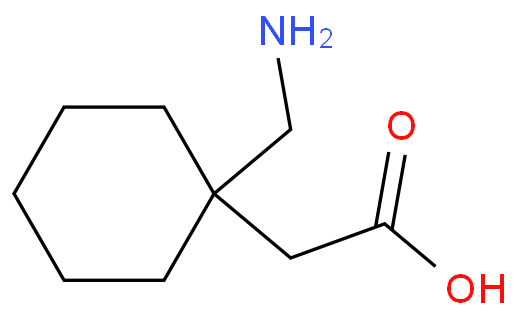
Gabapentin (the generic name for Neurontin), with the chemical formula C9H17NO2 and CAS number 60142-96-3, is another anticonvulsant medication. FDA-approved in 1993, it has demonstrated significant efficacy in addressing neuropathic pain conditions, including postherpetic neuralgia and diabetic peripheral neuropathy. Its pharmacokinetics are simpler than oxcarbazepine, potentially resulting in fewer side effects.
Both oxcarbazepine and gabapentin are essential medications for managing seizures and nerve pain. Their distinct mechanisms of action determine their application. Oxcarbazepine stabilizes hyperexcited nerve fibers by blocking voltage-sensitive sodium channels, while gabapentin targets voltage-gated calcium channels to influence pain signaling pathways.


Both drugs' structural features influence their therapeutic applications. While oxcarbazepine is more suitable for seizure control, gabapentin's design makes it a first-line option for neuropathic pain.

Oxcarbazepine is a cornerstone medication in the management of partial epilepsy and trigeminal neuralgia, a severe nerve condition characterized by debilitating facial pain. By modulating voltage-gated sodium channels, oxcarbazepine stabilizes overactive neurons, effectively reducing the intensity and frequency of sharp, electric shock-like pain associated with trigeminal neuralgia. Clinical trials suggest that oxcarbazepine delivers efficacy comparable to carbamazepine, a traditional choice for these conditions, but with a notably reduced risk of adverse effects such as skin rashes, gastrointestinal disturbances, and hepatotoxicity. This enhanced tolerability profile makes oxcarbazepine a preferred option for long-term treatment.
The benefits of oxcarbazepine extend to pediatric epilepsy, where its ability to control seizures with minimal cognitive impairment is particularly valuable. This makes it an ideal candidate for young patients requiring sustained epilepsy management without significant impact on their developmental progress. Furthermore, oxcarbazepine's emerging role in managing peripheral nerve pain highlights its versatility, especially in cases where traditional analgesics or first-line treatments fail to provide sufficient relief.
Gabapentin has earned its reputation as a gold standard in managing neuropathic pain, particularly in conditions like diabetic peripheral neuropathy and postherpetic neuralgia. Its primary mechanism involves the modulation of calcium channels in nerve cells, which suppresses abnormal excitatory signaling responsible for chronic pain. Patients treated with gabapentin report significant improvement in their quality of life due to its effectiveness in pain reduction and overall symptom management.
Gabapentin’s side effect profile is considered patient-friendly, with drowsiness and dizziness being the most commonly reported adverse events. These mild effects contribute to its widespread acceptance, particularly among individuals with complex pain conditions that require prolonged treatment. Additionally, gabapentin has demonstrated remarkable pharmacological versatility, extending its applications beyond neuropathic pain. Off-label uses, such as anxiety management, alleviation of hot flashes in menopausal women, and treatment of alcohol withdrawal symptoms, underscore its broad therapeutic potential. This adaptability, combined with its efficacy, makes gabapentin a valuable asset in clinical practice.
This article answers the question regarding Oxcarbazepine vs Gabapentin for Nerve Pain. Oxcarbazepine and gabapentin serve different therapeutic niches. Oxcarbazepine is preferred for epilepsy and neuralgia, while gabapentin excels in neuropathic pain management. The choice of treatment should be guided by the specific condition and patient tolerance.
| Side Effect |
Oxcarbazepine |
Gabapentin |
|---|---|---|
| Drowsiness | Common, dose-dependent | Common, mild to moderate |
| Dizziness | Possible, with prolonged use | Possible, dose-dependent |
| Hyponatremia | Reported in long-term use | Rarely observed |
| Cognitive Impairment | May affect memory and focus | Minimal, compared to alternatives |
When considering the most suitable medication for nerve pain, Oxcarbazepine and Gabapentin each have distinct advantages depending on the nature of your condition, underlying health concerns, and tolerance to potential side effects. Oxcarbazepine is often preferred for individuals dealing with neuropathic pain associated with seizure disorders or trigeminal neuralgia, as it stabilizes neural activity effectively. Its mood-stabilizing properties may also be beneficial for individuals who experience coexisting mood disturbances. However, Oxcarbazepine is associated with risks like dizziness, nausea, and low sodium levels, which require careful monitoring by a healthcare provider.
On the other hand, Gabapentin is widely recognized for its effectiveness in treating various forms of chronic nerve pain, including diabetic neuropathy and postherpetic neuralgia. Its sedative effects can provide relief for those with sleep disturbances related to chronic pain. Despite its benefits, Gabapentin may cause fatigue, dizziness, or dependency concerns, especially with prolonged use. Patients with kidney impairment should use Gabapentin with caution, as it is excreted through the kidneys.
Ultimately, the choice between Oxcarbazepine and Gabapentin depends on the specific type and severity of nerve pain. If you are seeking a treatment with mood-stabilizing benefits and can tolerate sodium level monitoring, Oxcarbazepine may be ideal. Conversely, Gabapentin may be better suited for generalized nerve pain and sleep disturbances, provided that its sedative effects do not interfere with your daily activities.
*Always consult a healthcare professional before starting or switching medications for nerve pain, as they can assess the potential benefits and risks specific to your situation. They can also help tailor treatment plans based on your unique medical history, current health conditions, and other medications you may be taking.
If you're looking to purchase these compounds, Guidechem is your trusted platform for sourcing high-quality raw materials and reliable suppliers. With our extensive global network, we connect you to a wide range of Oxcarbazepine suppliers and Gabapentin suppliers, ensuring you find the right products to meet your specific research or production requirements. Whether you're in pharmaceuticals, chemical manufacturing, or other industries, Guidechem simplifies the sourcing process by offering verified supplier information, competitive pricing, and seamless communication.
[1]Epilepsy and its Treatment Options by M. J. Fisher.
[2]Neuropathic Pain Management by R. K. Smith.
[3]Mechanisms of Anticonvulsant Drugs in Neuropharmacology Journal.
[4]Gabapentin and its Applications in Journal of Clinical Medicine.
 |
 |
 |



 2YRS
2YRS