RU58841, with the chemical formula C17H18F3N3O3 and CAS number 154992-24-2, is a topical anti-androgen compound often explored as a potential treatment for male pattern baldness. It works by blocking the action of dihydrotestosterone (DHT) on hair follicles, which is a key factor in male pattern hair loss.
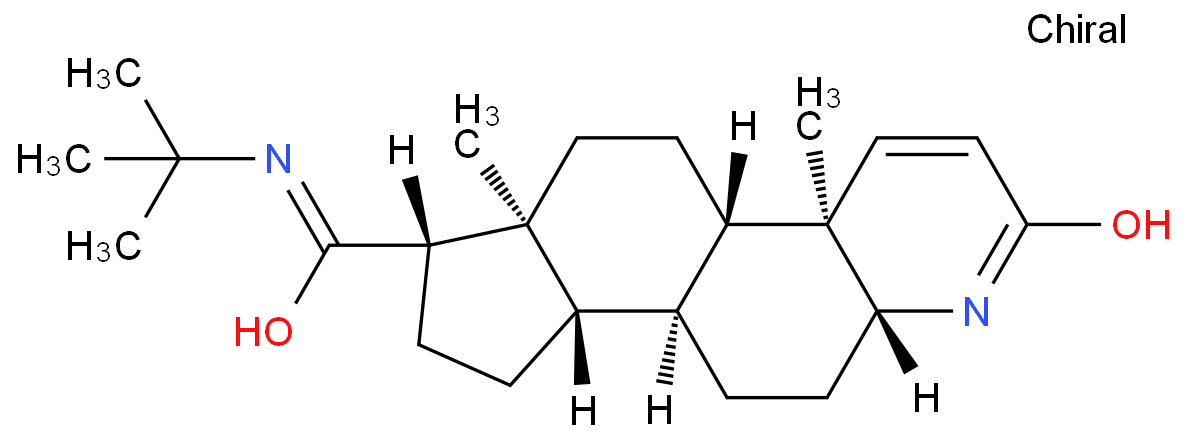
Finasteride, with the chemical formula C23H36N2O2 and CAS number 98319-26-7, is a widely used oral medication that also targets DHT to treat male pattern baldness. It is FDA-approved and works by inhibiting the enzyme 5-alpha reductase, which converts testosterone to DHT, thereby reducing DHT levels in the scalp and preventing hair follicle miniaturization.
Both RU58841 and Finasteride are used in the treatment of male pattern baldness, but they differ in their forms of administration, approval status, and research backing. RU58841 is available only in a topical form, while Finasteride is available both orally and topically. Although both target DHT, Finasteride is more widely researched and FDA-approved for treating male pattern baldness, whereas RU58841 lacks FDA approval and has limited human clinical trials.


The synthesis of both compounds involves complex chemical processes. While RU58841 is a non-steroidal anti-androgen that directly interacts with androgen receptors, Finasteride inhibits the enzyme responsible for converting testosterone into DHT. The key difference in their synthesis lies in the molecular structure and the target of each compound: RU58841 acts on androgen receptors, while Finasteride acts on the enzyme 5-alpha reductase.

RU58841 is a topical treatment primarily used to address male pattern baldness by targeting one of the key hormonal contributors to hair loss—dihydrotestosterone (DHT). DHT is a potent androgen hormone that can bind to androgen receptors in hair follicles, leading to their miniaturization and eventually, hair thinning or loss. RU58841 works by blocking the action of DHT at the hair follicle level. When applied directly to the scalp, it binds to androgen receptors, preventing DHT from attaching to the follicles and initiating the process of follicular shrinkage. As a result, this can slow down the progression of hair loss and, in some cases, stimulate hair regrowth by maintaining the follicles in a healthier, more active state.
However, while the mechanism of action for RU58841 appears promising, it is important to note that it is not without its limitations. Research on RU58841 remains relatively limited, with most studies conducted in vitro (in laboratory settings) or on animal models rather than human clinical trials. This lack of extensive clinical data means that the efficacy and safety of RU58841 for long-term use in humans have not been fully established. Moreover, RU58841 is not widely available in many regions, including the United States, making it difficult for some individuals to access the treatment. As a result, while it may offer a novel solution for those struggling with male pattern baldness, potential users should proceed with caution and consult healthcare professionals before considering its use.
Finasteride is one of the most well-established and extensively studied treatments for male pattern baldness (MPB), a condition that affects a significant portion of men as they age. The drug works by inhibiting the enzyme 5-alpha reductase, which is responsible for converting testosterone into dihydrotestosterone (DHT). DHT is a key hormone implicated in hair follicle miniaturization, which leads to the thinning and eventual loss of hair in individuals with genetic susceptibility to MPB. By reducing the levels of DHT in the scalp, Finasteride effectively prevents further hair follicle shrinkage and can help slow down the progression of hair loss.
Available in both oral and topical formulations, Finasteride has been primarily studied and approved in its oral form for the treatment of male pattern baldness. The oral Finasteride pill is FDA-approved and has been prescribed to millions of men globally as a first-line treatment for MPB. Research has demonstrated that daily use of oral Finasteride can lead to a significant reduction in hair shedding, and many users experience visible hair regrowth after several months of consistent use. The topical formulation, which is applied directly to the scalp, has also gained popularity in some cases, but it is still less commonly prescribed and lacks the same level of clinical evidence as the oral version.
Finasteride is supported by extensive clinical data, with numerous studies confirming its effectiveness in reducing hair loss and promoting hair regrowth. It is widely regarded as one of the most effective treatments for male pattern baldness. However, it is important to note that Finasteride may have side effects, such as sexual dysfunction, which can impact some users.
In conclusion, while both RU58841 and Finasteride are used for the treatment of male pattern baldness, Finasteride is more widely researched and FDA-approved, making it a more reliable option for many individuals. RU58841, on the other hand, offers a topical alternative with fewer systemic effects, but lacks the same level of clinical evidence and availability. Ultimately, the choice between the two will depend on individual preferences, the need for FDA approval, and the willingness to take on the uncertainty regarding RU58841’s effectiveness and safety.
| Side Effect |
RU58841 |
Finasteride |
|---|---|---|
| Effectiveness | Limited human studies, not FDA-approved, efficacy uncertain | Proven efficacy with extensive human trials, FDA-approved |
| Side Effects | Possible scalp irritation, minimal systemic effects | Potential sexual dysfunction, reduced libido, mood changes |
| Availability | Not widely available, especially in the U.S. | Widely available, FDA-approved |
When choosing the right treatment for male pattern baldness, it is important to consider your specific health needs, as well as the effectiveness and potential side effects of each option. Finasteride is a well-researched, FDA-approved oral medication that has been shown to be highly effective in reducing hair loss and promoting regrowth. Its long track record of clinical success makes it a reliable option for many individuals dealing with male pattern baldness. However, it comes with the potential for side effects such as sexual dysfunction, mood changes, or other adverse reactions that some users may experience.
On the other hand, RU58841 is a topical treatment that works directly on the scalp by blocking the action of DHT without affecting the rest of the body. This may make it an appealing option for those who want to avoid systemic side effects. However, RU58841 lacks FDA approval and has limited human clinical trials, which means its effectiveness and safety are not as well established as Finasteride’s. Additionally, the availability of RU58841 can be limited, depending on your location, and it may require a more cautious approach due to the lack of regulatory oversight.
Ultimately, if you are looking for a treatment with proven efficacy and long-term research backing, Finasteride may be the better option for you, despite its potential side effects. However, if you are concerned about systemic side effects and prefer a topical solution, RU58841 could be a viable alternative, though you should carefully consider the lack of clinical data and availability issues.
*For optimal results and to ensure you are selecting the most appropriate treatment, it is highly recommended to consult with your healthcare provider. They can help you assess which option best suits your individual needs, health status, and potential risks.
If you're looking to purchase these compounds, Guidechem is your go-to platform for sourcing high-quality raw materials and reliable suppliers. With our extensive global network, we connect you to a wide range of RU58841 suppliers and Finasteride suppliers, ensuring you find the right products to meet your specific research or production requirements. Whether you're in pharmaceuticals, food additives, or other industries, Guidechem simplifies the sourcing process, offering verified supplier information, competitive pricing, and seamless communication.
[1]Topical Application of Anti-Androgens for Hair Regrowth by J. S. Mitchell.
[2]Finasteride in the Treatment of Male Pattern Baldness by M. J. Greenfield.
[3]RU58841: A Novel Topical Anti-Androgen for Hair Loss Treatment in Journal of Dermatology.
[4]Clinical Trials on the Use of Finasteride for Male Pattern Baldness in The Journal of Clinical Endocrinology.
 |
 |
 |


 2YRS
2YRS