
Zinc Gluconate, with the chemical formula C12H22O14Zn and CAS number 4468-02-4, is one of the most common forms of zinc supplementation. It is often found in over-the-counter lozenges and sprays, known for its immune-boosting properties and high bioavailability.
Zinc Glycinate, with the chemical formula C4H8N2O4Zn, combines zinc with glycine, an amino acid that enhances absorption. This chelated form is particularly effective for improving zinc uptake in the body and is gentle on the digestive system.
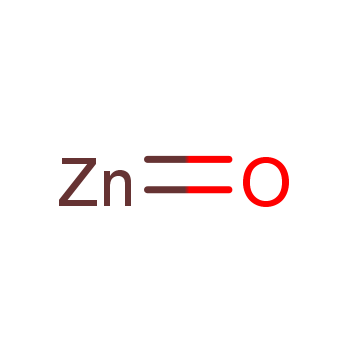
Zinc Oxide, with the chemical formula ZnO and CAS number 1314-13-2, is commonly used in topical applications like sunscreens and diaper rash creams. While it can also be used as a dietary supplement, it has lower bioavailability compared to zinc gluconate and zinc glycinate.
Zinc Gluconate, Zinc Glycinate, and Zinc Oxide each offer unique benefits and applications, making them suitable for different health needs. Their effectiveness depends on factors like absorption rate, targeted health benefits, and individual tolerability.


While zinc gluconate and zinc glycinate are primarily synthesized for their superior bioavailability, zinc oxide is often used for its stability and cost-effectiveness in non-dietary applications.
Zinc plays an essential role in immune function, wound healing, and protein synthesis. Three common forms of zinc supplementation—Zinc Gluconate, Zinc Glycinate, and Zinc Oxide—each offer distinct applications for different health needs. These forms are widely used for supporting immune health, skin care, and general wellness, with each providing unique benefits based on their bioavailability and application methods.

Zinc Gluconate is widely recognized for its immune-boosting properties, particularly in reducing the duration of common colds. One of its primary applications is in supporting immune health, as zinc is crucial for maintaining the function of immune cells. Zinc Gluconate is often found in lozenges or oral supplements, where it is used to treat cold symptoms such as sore throat, nasal congestion, and runny nose. Studies have shown that it can significantly shorten the duration of colds, making it a popular choice during cold and flu season.
In addition to immune support, Zinc Gluconate is also beneficial for overall health maintenance. It promotes cell function and enzyme activity, which are essential for metabolic processes. Zinc is often used to prevent deficiency, which can cause problems such as poor immune response, slow wound healing, and hair loss. Therefore, Zinc Gluconate is a versatile supplement for improving both short-term and long-term health outcomes.
Zinc Glycinate is known for its superior absorption, making it an excellent choice for individuals seeking to correct zinc deficiency without causing gastrointestinal distress. One of its most notable applications is in skin health, where it helps address issues such as acne and inflammation. Zinc Glycinate regulates sebum production and reduces inflammation, which is essential for clearer skin. It is often recommended for individuals dealing with acne, eczema, or other dermatological concerns, as it supports the skin's natural healing processes.
Zinc Glycinate also plays a crucial role in digestive health, supporting proper nutrient absorption and a balanced gut microbiome. It is particularly beneficial for those with sensitive stomachs or who experience discomfort with other zinc forms, as it is less likely to cause digestive upset. Additionally, Zinc Glycinate supports overall immune function, helping to prevent illnesses and ensuring better body function. Its combination of high bioavailability and gentle effects on the digestive system makes it ideal for a variety of health goals.
Magnesium oxide is best used to treat digestive problems and heartburn. Magnesium oxide can also be used to replenish magnesium levels in the body, but may not be as effective as other magnesium compounds that are more readily absorbed into the bloodstream, including those that can be obtained naturally from food.
Zinc Oxide is predominantly used in topical applications, where it offers protective benefits for skin health. It is commonly found in sunscreens, diaper rash creams, and other dermatological products due to its ability to create a physical barrier that protects the skin from harmful UV rays and environmental irritants. Zinc Oxide’s soothing properties make it an effective treatment for sunburns, acne, and minor rashes. It is especially useful in protecting delicate skin areas, such as those of babies, from irritation and chafing.
Beyond its protective qualities, Zinc Oxide is highly effective in promoting wound healing. It accelerates the regeneration of skin tissues and supports collagen synthesis, which is essential for the healing of cuts, burns, and abrasions. Zinc Oxide is often included in medical ointments designed to treat skin injuries, as it can speed up recovery while preventing infection. Its ability to aid in the healing of wounds while protecting against external stressors makes Zinc Oxide an essential ingredient in both skincare and medical products.
In summary, Zinc Gluconate is most suitable for individuals seeking immune support and cold relief, while Zinc Glycinate is ideal for those looking to improve skin health and digestion with minimal gastrointestinal discomfort. Zinc Oxide, on the other hand, is the best choice for topical applications such as wound healing and sun protection. All three forms of zinc are effective in addressing different health concerns, but choosing the right form depends on the individual’s specific health goals and conditions.
While each form of zinc has its benefits, there are also potential drawbacks depending on the specific compound used. The following table outlines the disadvantages of zinc gluconate, zinc glycinate, and zinc oxide:
| Disadvantage | Zinc Gluconate | Zinc Glycinate | Zinc Oxide |
|---|---|---|---|
| Potential Side Effects | Can cause mild stomach upset or nausea in some individuals | Generally well-tolerated, but may cause digestive discomfort in high doses | May cause skin irritation when used in high concentrations |
| Bioavailability | Moderate bioavailability, can be less efficient than other forms | High bioavailability, but may be more expensive than other forms | Low bioavailability when taken orally, mostly used topically |
| Topical Use | Not used in topical products | Not commonly used in topical products | Can leave a white residue on skin, not suitable for sensitive skin |
| Allergic Reactions | Rare, but some people may experience allergic reactions | Rare, but possible allergic reactions in sensitive individuals | May cause allergic reactions in some individuals, especially when used in high doses |
When choosing the right form of zinc for your health, it's important to consider your specific needs and any digestive sensitivities you may have. Zinc Glycinate is known for its superior absorption and bioavailability. Since it is chelated with glycine, it is more efficiently absorbed by the body, making it particularly effective for addressing zinc deficiencies, supporting immune function, and promoting skin health. Additionally, it’s gentler on the stomach, making it a better option for those who experience gastrointestinal discomfort with other zinc forms.
In contrast, zinc in various salt forms (like zinc sulfate or zinc oxide) is still an effective option for general health. These forms can support immune function, promote wound healing, and aid in cellular growth, but they may cause digestive issues, such as nausea or indigestion, in some individuals. If you have a sensitive stomach, Zinc Glycinate might be a better option, while regular zinc supplements are more cost-effective and widely available.
Ultimately, if you're looking for long-term zinc supplementation with fewer side effects, Zinc Glycinate is the superior choice, due to its high absorption rate and gentleness on the stomach. If you need a more affordable option and are okay with mild digestive discomfort, Zinc Gluconate is a viable choice for immune support. Zinc Oxide, while excellent for topical applications, is less effective as an oral supplement due to its lower bioavailability.
*For optimal results and to ensure that you are taking the appropriate form and dosage, it is highly recommended to follow the guidance of your healthcare provider. They can help you determine the most suitable form of zinc based on your specific health requirements and any underlying medical conditions.
If you're looking to purchase these compounds, Guidechem is your go-to platform for sourcing high-quality raw materials and reliable suppliers. With our extensive global network, we connect you to a wide range of Zinc Oxide suppliers, Zinc Gluconate suppliers and Zinc Glycinate suppliers, ensuring you find the right products to meet your specific research or production requirements. Whether you're in pharmaceuticals, food additives, or other industries, Guidechem simplifies the sourcing process, offering verified supplier information, competitive pricing, and seamless communication.
[1] Zinc and Its Role in Immune Function by J. K. Smith.
[2] Bioavailability of Zinc Supplements by L. D. Johnson.
[3] Topical Zinc Applications in Journal of Dermatological Science.
[4] Zinc Deficiency: Implications and Treatment by P. R. Anderson.
 |
 |
 |


 2YRS
2YRS


